Originally from Italy, the macaron arrived in France during the Renaissance. The macaron is a type of cookie made with egg whites, sugar, powdered sugar, and ground almonds.
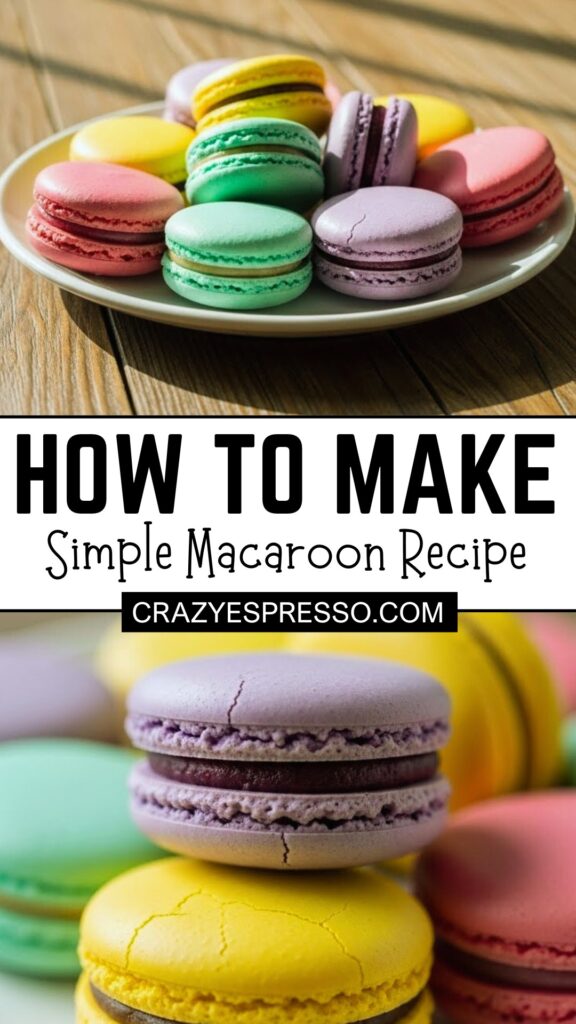
They have a distinctive texture, a delicate flavor, and are very eye-catching, as they come in a multitude of colors that fill the windows of French pastry shops.
In France, this small, round treat is deeply loved and can be eaten in just two bites.
The Colorful & Sweet French Macarons
The macaron is a typical French sweet that is becoming increasingly popular. It is nothing like the traditional pastries children usually love.
The base is made from ground almonds, egg whites, granulated sugar, icing sugar, and food coloring, depending on the variety.
They are not terribly difficult to make, but like cakes or muffins, it usually takes time to get them just right. Achieving the perfect texture depends heavily on good oven temperature control. Some people also use small tricks, such as leaving the egg whites covered overnight.
It is an ancient dessert of Italian origin, although—given the use of ground almonds—its original roots may be Arab, as this ingredient has long been used in sweet preparations. Some say that Catherine de Medici brought it to France when she married the Duke of Orléans.
In those days, and until just over a century ago, macarons were made as single cookies, not the sandwich-style version we see today. While there was no explosion of colors and flavors, different essences were often added to the dough to create variety.
During the 17th and 18th centuries, macarons became fashionable among the upper classes, not only in Paris but also in many towns and cities throughout France. They were often given as gifts at important events.
Table of Contents
How to Make Macarons? Step by Step
Ingredients
Bases
- 2½ cups almond flour (250 g)
- 2 cups powdered sugar (250 g) + 1 tablespoon
- 3 egg whites (90 g)
- Vegetable food coloring (green, pink, purple, yellow)
Italian Meringue
- 3 egg whites (90 g)
- ½ cup water (120 ml)
- 1¼ cups sugar (250 g)
Macaron Filling
- 1 cup whipping cream (240 ml)
- 2 tablespoons glucose or corn syrup (40 g)
- 1 tablespoon invert sugar or honey (15 g)
- 2 vanilla pods, split lengthwise
- ¾ cup cocoa butter, powdered (200 g)
- 2 cups almond paste (440 g)
- ¼ cup unsalted pistachios, chopped (30 g)
- 1½ tablespoons raspberry jelly (20 g)
- 1½ tablespoons blueberry jelly (20 g)
- ½ tablespoon coffee essence (7.5 ml)
Special Utensils
- Piping bags with plain tips
- Baking trays with silicone paper or silicone mats
Procedure
Bases
- Combine the almond flour and powdered sugar.
- Grind in a food processor and sift to obtain a very fine powder.
- Mix with the egg whites until well combined.
- Divide into 5 portions and color 4 of them. Set aside.
Italian Meringue
- Beat the egg whites with ¼ cup sugar until soft peaks form.
- Boil the water and remaining sugar until it reaches the soft ball stage.
- Slowly pour the syrup over the egg whites while beating continuously.
- Beat until the meringue cools, then divide into 5 portions.
- Gently fold one-third of the meringue into each base, then add the rest.
- Transfer mixtures into piping bags.
- Pipe small circles and let them rest for 30 minutes.
- Bake at 150°C for 18 minutes, until cooked and easy to peel.
Filling
- Boil the cream with glucose, invert sugar, and vanilla pods.
- Let rest for 20 minutes, then stir in the cocoa butter.
- Knead the almond paste and gradually mix it in.
- Refrigerate overnight.
- Divide into 5 portions and flavor accordingly.
Assembly
- Fill the macarons according to color and flavor pairing.
- Let them dry at room temperature for 2 hours.
Video Guide
Additional Information
Advice: For perfect consistency, refrigerate the egg whites overnight. This slightly dehydrates them and helps during baking.
Macarons can be stored for several weeks in airtight containers.
Tips & Tricks
- Rest the egg whites overnight to relax the proteins and improve meringue texture.
- Tap the baking tray after piping to remove air bubbles and prevent cracking.
- Let the shells rest for at least 20 minutes to form a skin and create shine.
- Cool the shells completely before filling to avoid melting or stickiness.
Storing Macarons
- Refrigerator (assembled): Store in an airtight container for up to 3 weeks.
- Refrigerator (shells only): Keep unfilled shells for up to 2 weeks.
- Freezer: Freeze assembled macarons for up to 1 month. Thaw at room temperature or overnight in the fridge.
FAQ
How do I make dulce de leche from scratch?
You can make dulce de leche by slowly cooking sweetened condensed milk until it turns thick and caramel-like.
The safest method is placing the unopened can in a pot of water and simmering it gently for 2–3 hours, making sure it stays fully covered with water at all times. Let it cool completely before opening.
Can you use normal flour to make macarons?
No, regular flour cannot be used for macarons. Macarons rely on almond flour for their structure, texture, and flavor. Using wheat flour will change the consistency and prevent the shells from forming correctly.
Should macarons be chewy?
Yes, macarons should be slightly chewy on the inside with a delicate, crisp shell on the outside. If they are too hard or completely crunchy, they are likely overbaked.
Why did my shells crack?
Macaron shells usually crack because of:
1) Trapped air bubbles in the batter
2) Not resting the shells long enough before baking
3) Oven temperature too high
4) Excess moisture in the air
Proper resting and tapping the tray help prevent this.
Is it a bad idea to make macarons on a rainy day?
Yes, high humidity can negatively affect macarons. Moist air prevents the shells from drying properly, which can lead to cracks or flat shells.
If possible, make macarons on a dry day or use air conditioning or a dehumidifier.