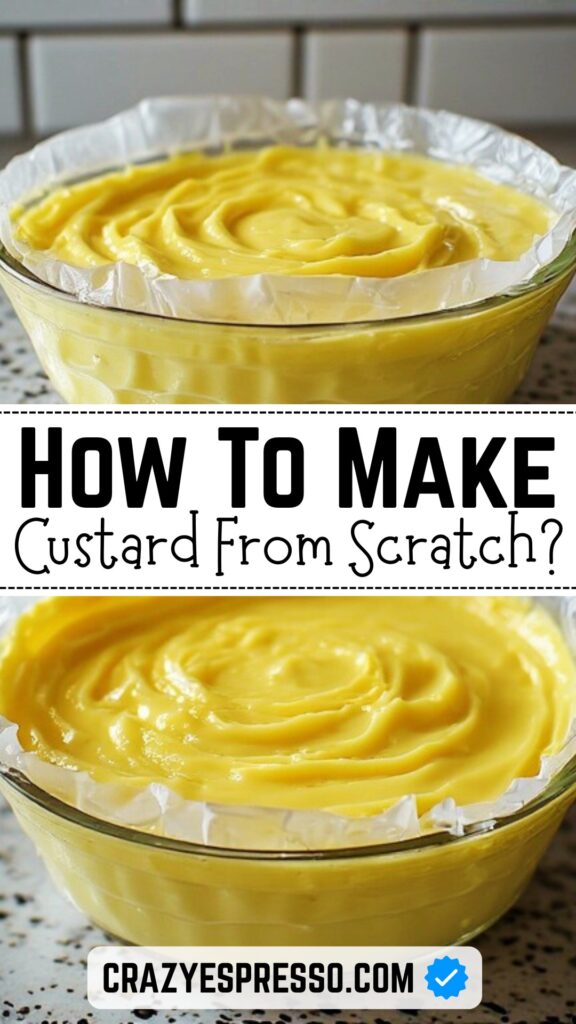
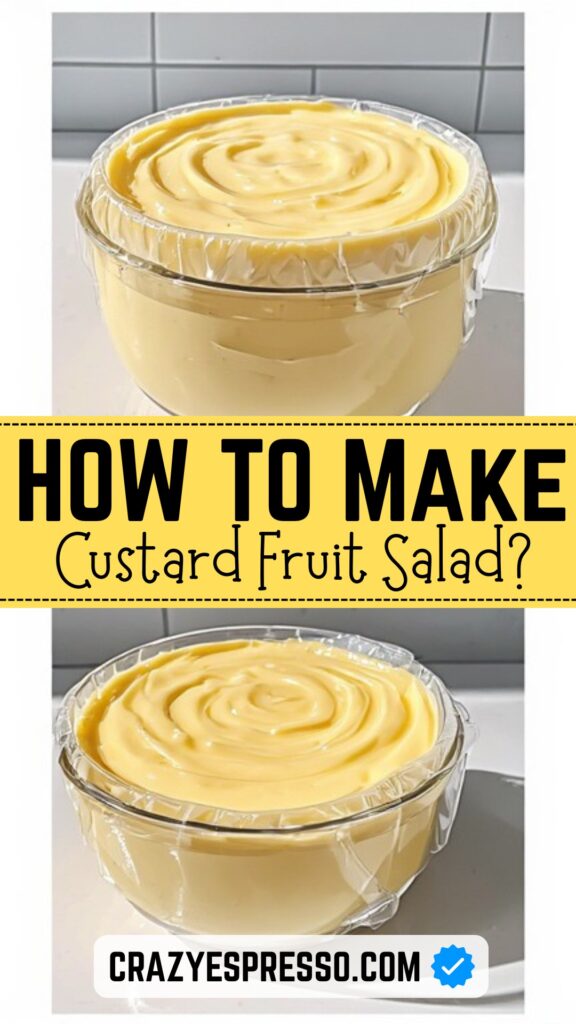
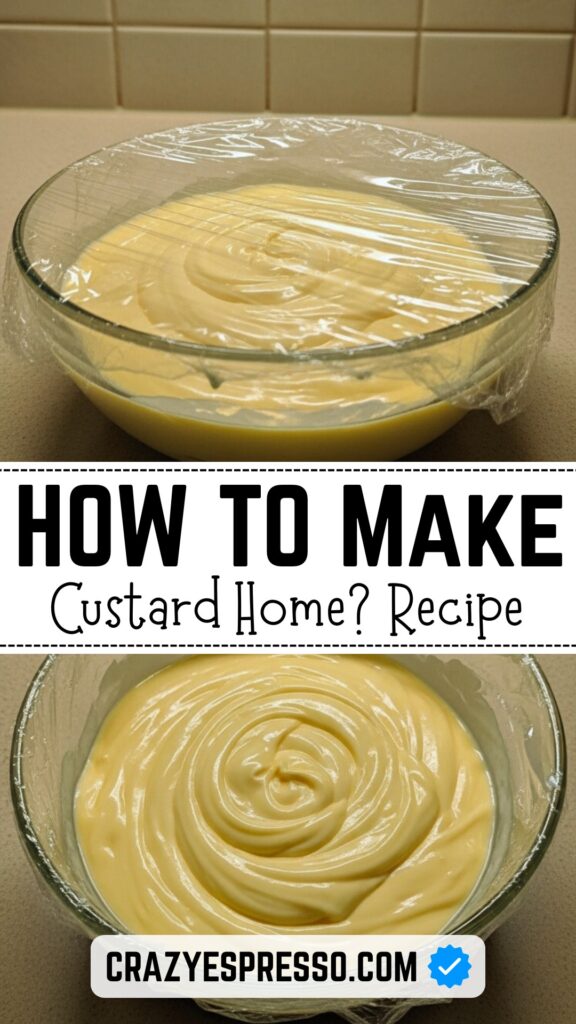
Custard is a traditional dairy dessert, very popular in traditional Spanish cuisine. Making it at home is quite simple, although there are a few tricks, as we explain in the following step-by-step instructions.
The best thing about this recipe is that it’s prepared with very simple ingredients found in any pantry: milk, egg yolks, sugar, and cornstarch, in addition to the flavorings used to infuse the milk, usually cinnamon and lemon zest. It’s common to serve custard with a biscuit. The contrast of flavors and textures is delicious.
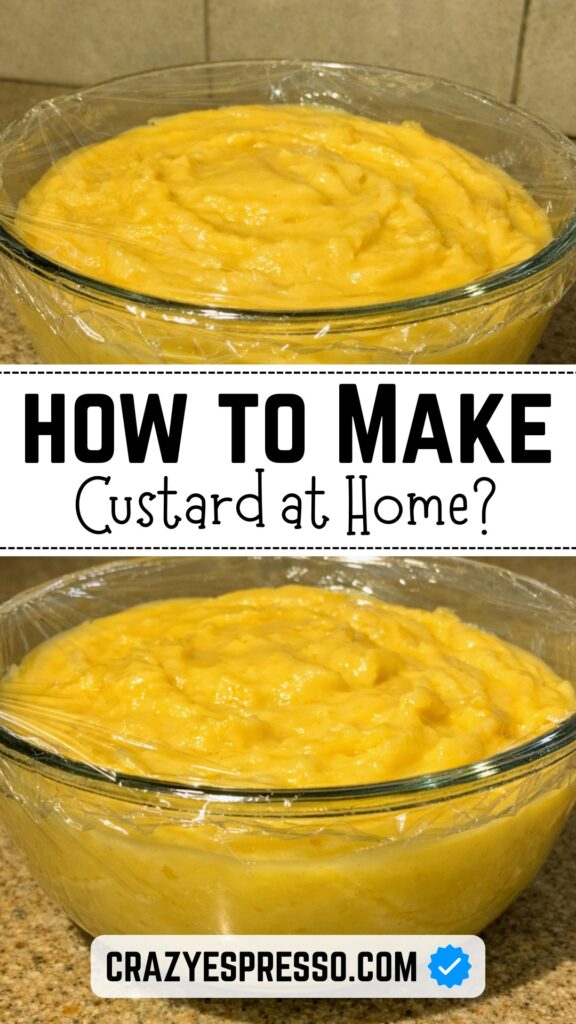
To achieve that irresistible, classic flavor, we’ll infuse the milk with cinnamon and lemon zest over low heat, without letting it boil. If you’d like to modernize your custard, you can opt for orange zest or vanilla instead of lemon zest, which also taste wonderful, although they deviate from the traditional flavor we’re aiming for in this recipe. For a rich, creamy texture, it’s best to let it rest overnight in the refrigerator.
In our case, we used bowls with a capacity of 150 ml. Keep this in mind, as you will get more or fewer servings if your containers are larger or smaller.
We like to serve our custard chilled and accompanied by a Maria-style biscuit, which we add just before serving to prevent it from getting soggy. Although this is optional, the custard is also delicious without the biscuit.
Table of Contents
How to Make Homemade Egg Custard?
Information
| Detail | Value |
|---|---|
| Serves | 4 |
| Total time | 20 min |
| Cuisine | Spanish |
| Category | Traditional Sweets |
| Vegetarian | Yes |
Ingredients for 4 Servings
| Ingredient | Quantity |
|---|---|
| Milk | 500 ml |
| Cinnamon stick | 1 |
| Peel of lemon | From 1/2 lemon |
| Egg yolks | 3 |
| Cornstarch | 10 g |
| Sugar | 70 g |
| Cookies | 4 to 8 |
| Ground cinnamon | A little, for decoration |
This is the most classic and traditional recipe, and the best part is that it’s quick and easy to prepare. It does need to chill and rest in the refrigerator afterward, and in my opinion, it gets even better with time. This recipe gives you a creamy texture and, above all, the rich aroma of cinnamon and lemon. With just the right amount of sweetness and served with some cookies, you’ll see they’re absolutely amazing.
Preparation
- Peel the lemon, but only the outermost layer, making sure not to remove any of the white pith. Only the yellow part should be peeled, since the white pith is bitter.
- In a saucepan over medium heat, combine the milk with the cinnamon stick and lemon peel. Just before it starts to boil, remove the saucepan from the heat. You’ll notice small bubbles forming on the surface, and if you use a thermometer, it should be just under 100ºC.
- Meanwhile, in a bowl, combine the egg yolks, sugar, and cornstarch, then whisk everything together. At first the mixture will seem a little dry, but if you continue whisking vigorously, it will gradually become creamy and more homogeneous.
- Pour the infused milk slowly into the bowl, passing it through a strainer to remove the lemon peel and cinnamon stick. Stir the mixture well.
- Pour the mixture back into the saucepan and place it over low heat, stirring constantly so it doesn’t stick while it thickens.
- Be patient, as it takes a few minutes. You’ll see it begin to thicken quite suddenly. As soon as it reaches a slightly thick, creamy consistency, remove it from the heat.
- Divide the mixture among the molds or containers you’ll be serving it in. Traditionally, it’s served in small earthenware dishes, but any small serving dish will work. You can place a biscuit at the bottom and another on top if you like, although that is a matter of personal preference.
- Once it has cooled, place the containers in the fridge and let them rest for at least 4 hours. For the best texture and flavor, it’s even better to make them one day in advance and let them chill overnight.
Video Guide 🎈
What to Serve with Homemade Custard?
Although the traditional way to serve custard is with ground cinnamon and a biscuit, you can also pair it with:
- Red berries
- Nuts such as chopped hazelnuts or flaked almonds
- Caramel
- Grated chocolate
- Pieces of biscuit added at the last minute so they stay crunchy
Approximate Nutritional Values Per Serving
| Nutrient | Amount per serving |
|---|---|
| Calories | 185 kcal |
| Carbohydrates | 24 g |
| Protein | 5 g |
| Fat | 7 g |
| Saturated Fat | 3 g |
| Sugar | 18 g |
| Fiber | 0.3 g |
| Sodium | 55 mg |
| Calcium | 120 mg |
Questions and Answers About Custard
What is the origin of custard?
Although its exact origins are unknown, it is believed that this dessert originated in convents throughout Europe, where it was common to prepare desserts with basic and inexpensive ingredients such as eggs and milk. Today, custard is a typical dessert in many countries around the world, including Spain, Italy, Portugal, France, the United Kingdom, and Australia. In some countries, custard is known as crème anglaise.
How to thicken custard?
Cornstarch helps give custard a thicker, richer texture, so if you’ve tried this recipe and prefer thicker custard, you can increase the amount of cornstarch slightly. It’s also important to respect the cooking time and keep the custard over low heat.
Can you make custard without cornstarch?
Yes, you can make custard without cornstarch. However, cornstarch helps prevent the custard from curdling if it overheats and also gives it a thicker consistency.
How to prevent custard from curdling?
One of the most common problems when making custard is that it curdles. To prevent this from happening:
- Use cornstarch, as in this recipe
- Cook it over low heat
- Stir constantly
- Do not let it boil
Conclusion
Homemade egg custard is one of those classic desserts that proves simple ingredients can create something truly special. With its smooth texture, gentle cinnamon and lemon flavor, and easy preparation, it’s a comforting dessert that fits both everyday meals and special occasions.
Letting it chill properly makes all the difference, and whether you serve it with a biscuit or enjoy it on its own, this traditional custard is always a delicious choice.