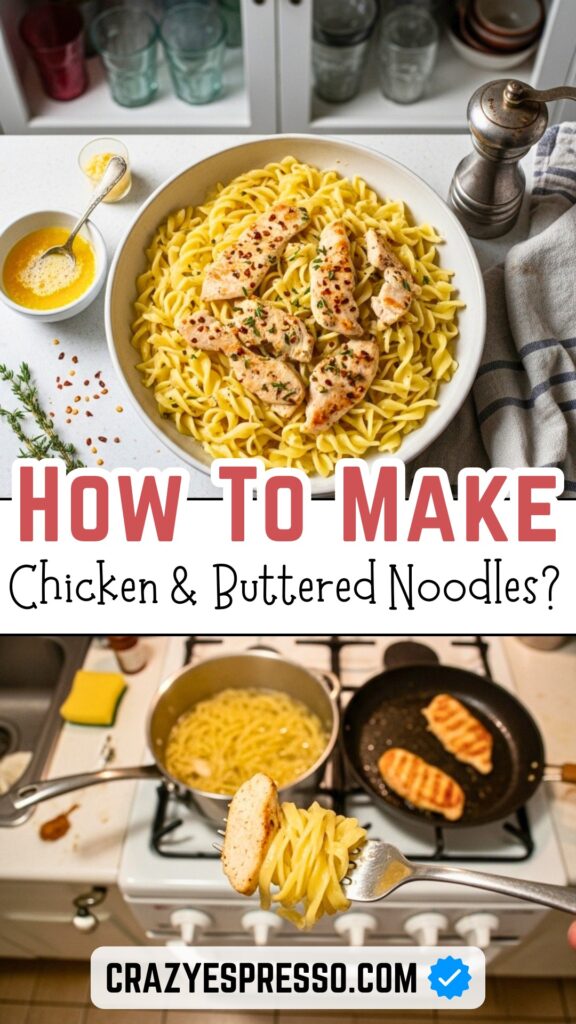
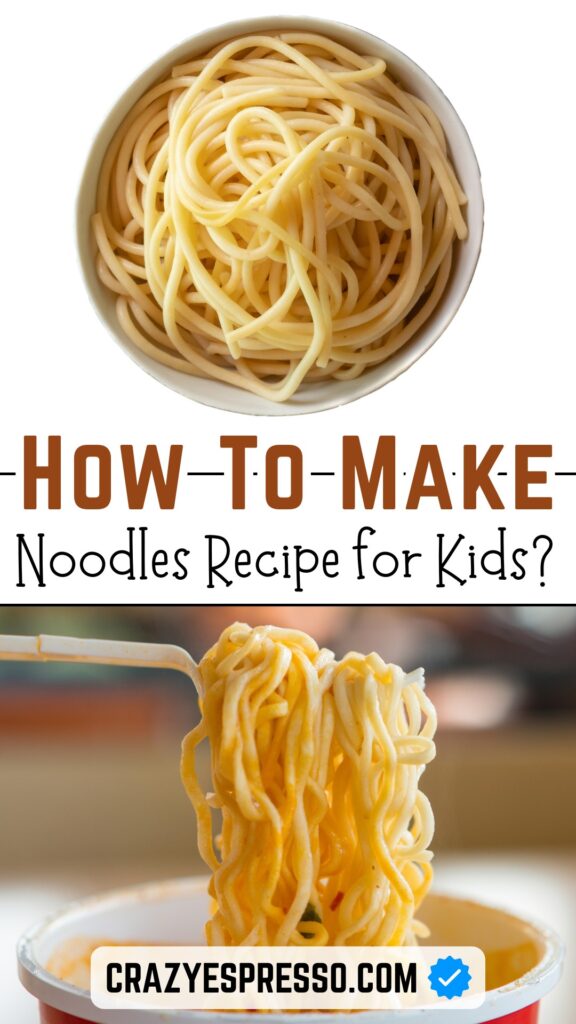
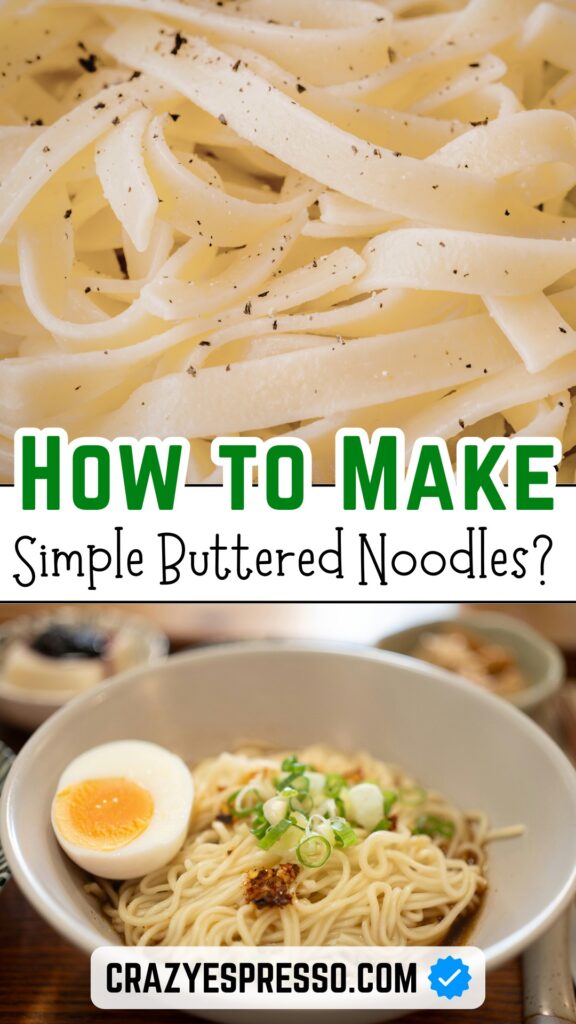
Buttered noodles are the ultimate comfort food—simple, satisfying, and ready in under 20 minutes. But sometimes you want a heartier meal.
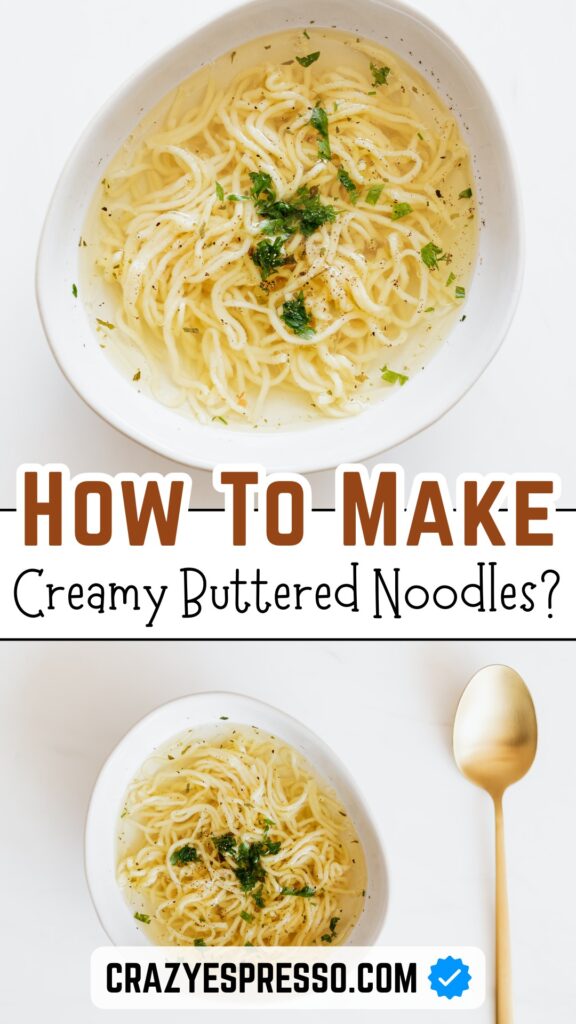
That’s why I’m sharing two versions: the classic meatless buttered noodles and a protein-packed version with tender chicken. Both use pantry staples and come together fast. Whether you need a quick weeknight dinner or a soothing side dish, this recipe delivers.
Table of Contents
Ingredients You’ll Need
Below is everything required for both versions. Most ingredients overlap, so you can easily switch between meatless and chicken-based meals.
| Ingredient | Classic Buttered Noodles | Buttered Noodles with Chicken |
|---|---|---|
| Pasta (fettuccine, egg noodles, or spaghetti) | 8 oz | 8 oz |
| Unsalted butter | 4 tbsp (½ stick) | 4 tbsp |
| Garlic (minced, optional) | 2 cloves | 2 cloves |
| Salt | to taste | to taste |
| Black pepper | to taste | to taste |
| Fresh parsley or Parmesan (for garnish) | optional | optional |
| Cooked chicken breast (shredded or diced) | – | 1 cup (about 6 oz) |
| Chicken broth (optional for extra sauce) | – | ¼ cup |
Quality matters: Use real butter, not margarine. European-style butter with higher fat content makes the dish silkier. For pasta, long noodles like fettuccine or tagliatelle work best because they hold the butter sauce beautifully.
How to Make Buttered Noodles (Without Chicken)?
This is the classic version—pure, buttery, and incredibly comforting. Total time: 15 minutes.
- Boil salted water – Bring a large pot of water to a rolling boil. Add 1 tablespoon of salt per gallon of water. This is your only chance to season the noodles from within.
- Cook the pasta – Add 8 oz of pasta. Cook according to package directions until al dente (firm to the bite). Reserve ½ cup of pasta water before draining.
- Melt the butter – While pasta cooks, place a large skillet over medium-low heat. Add 4 tbsp butter. If using garlic, add it now and cook for 30 seconds until fragrant. Do not let the butter brown.
- Combine – Drain the pasta (remember that reserved water). Transfer the hot pasta directly into the skillet with melted butter. Toss to coat every strand.
- Adjust texture – If the noodles seem dry, add a splash of the reserved pasta water, 1 tablespoon at a time, until they become glossy and silky.
- Season and serve – Add salt and black pepper to taste. Toss again. Garnish with fresh parsley, grated Parmesan, or both. Serve immediately.
Pro move: For extra richness, stir in a small pat of cold butter off the heat just before serving.
How to Make Buttered Noodles with Chicken?
This version turns a simple side dish into a complete, protein-rich meal. Use leftover rotisserie chicken or cook a fresh breast.
If cooking fresh chicken: Season 1 boneless, skinless chicken breast with salt and pepper. Pan-sear in 1 tbsp butter over medium heat for 6–8 minutes, flipping once, until golden and cooked through. Slice or shred, then set aside.
Step-by-step instructions:
- Cook the pasta exactly as described in the classic recipe. Reserve ½ cup of pasta water before draining.
- Warm the butter and garlic – In a large skillet over medium heat, melt 4 tbsp butter. Add minced garlic (if using) and cook for 30 seconds.
- Add the chicken – Add the cooked chicken (1 cup) to the skillet. Toss for 1–2 minutes until heated through.
Optional for a saucier dish: Pour in ¼ cup chicken broth and let it simmer for 1 minute. - Bring it together – Add the drained pasta to the skillet along with 2–3 tbsp of reserved pasta water. Toss vigorously. The starch in the water will bind with the butter, creating a light emulsion that coats every noodle.
- Finish – Season with salt and pepper. Garnish with parsley and Parmesan. Serve hot.
Why this works: The starchy pasta water and butter form a silky sauce without needing cream, while the chicken adds savory depth and staying power.
Pro Tips, Mistakes to Avoid & Nutrition
Top Tips for Perfect Buttered Noodles
- Salt your pasta water generously – It should taste like the sea. Undersalting leads to bland noodles.
- Always reserve pasta water – This non-negotiable step prevents dry, greasy noodles.
- Toss, don’t just pour – Mix the pasta in the skillet thoroughly so every strand is coated.
- Serve immediately – Buttered noodles don’t reheat well because butter separates. Eat them fresh.
Common Mistakes to Avoid
- Overcooking the pasta – Mushy noodles can’t hold the butter properly. Stick to al dente.
- Draining all the water – Without that starchy reserve, your dish will be dry and clumpy.
- Burning the butter – Keep heat at medium-low. Brown butter has its place, but here you want a pale, golden color.
- Overheating the chicken – Gently warm pre-cooked chicken; high heat makes it dry and tough.
Nutritional Facts (Per Serving – Classic Version)
Based on 4 servings per recipe.
| Nutrient | Amount |
|---|---|
| Calories | 410 |
| Total Fat | 18g |
| Saturated Fat | 11g |
| Cholesterol | 45mg |
| Sodium | 320mg (before added salt) |
| Carbohydrates | 52g |
| Fiber | 2g |
| Protein | 9g |
With chicken: Add roughly 110 calories and 23g of protein per serving (assuming 1 cup chicken divided into 4 portions).
Frequently Asked Questions
Can I use whole wheat or gluten-free pasta?
Absolutely. Whole wheat adds a nutty flavor; gluten-free pasta works fine too. Adjust cooking time per package instructions, and reserve extra starchy water—gluten-free pasta often needs more liquid to achieve a silky texture.
How do I make this dairy-free?
Use vegan butter or a good-quality extra virgin olive oil. The flavor changes slightly (olive oil gives a fruity note), but the dish remains delicious. Skip the Parmesan garnish or use a dairy-free alternative.
Can I add vegetables?
Yes. Sautéed mushrooms, peas, or spinach are excellent additions.
- Peas: Toss frozen peas into the pasta water during the last minute of cooking.
- Spinach: Wilt a handful into the butter before adding the noodles.
- Mushrooms: Sauté sliced mushrooms in the butter first, then proceed with garlic.
How do I store leftovers?
Store in an airtight container in the refrigerator for up to 3 days. To reheat, use a skillet over low heat with a splash of water or broth, tossing constantly. Avoid the microwave—it makes the butter separate and turn greasy.
What’s the best pasta for buttered noodles?
Egg noodles are the classic choice—they’re soft, slightly clingy, and soak up butter beautifully. Fettuccine, tagliatelle, or even thin spaghetti work well. Avoid short shapes like penne or rotini; they don’t hold the butter sauce as effectively.
Conclusion
Buttered noodles prove that simple food done right is deeply satisfying. Whether you keep it meatless or add juicy chicken, this recipe adapts to your hunger and whatever’s already in your fridge.
Master the basic technique—salty pasta water, good butter, and that reserved starchy splash—and you’ll have a go-to meal for busy nights. Try both versions, then make it your own with vegetables or fresh herbs. Happy cooking.