There’s something almost magical about a steaming plate of Filipino pancit. It’s the dish that shows up at birthdays, family reunions, and quiet weeknight dinners alike—always welcome, always satisfying. If you’ve ever wondered how to recreate that perfect balance of savory noodles, tender protein, and crisp vegetables at home, you’re in the right place.
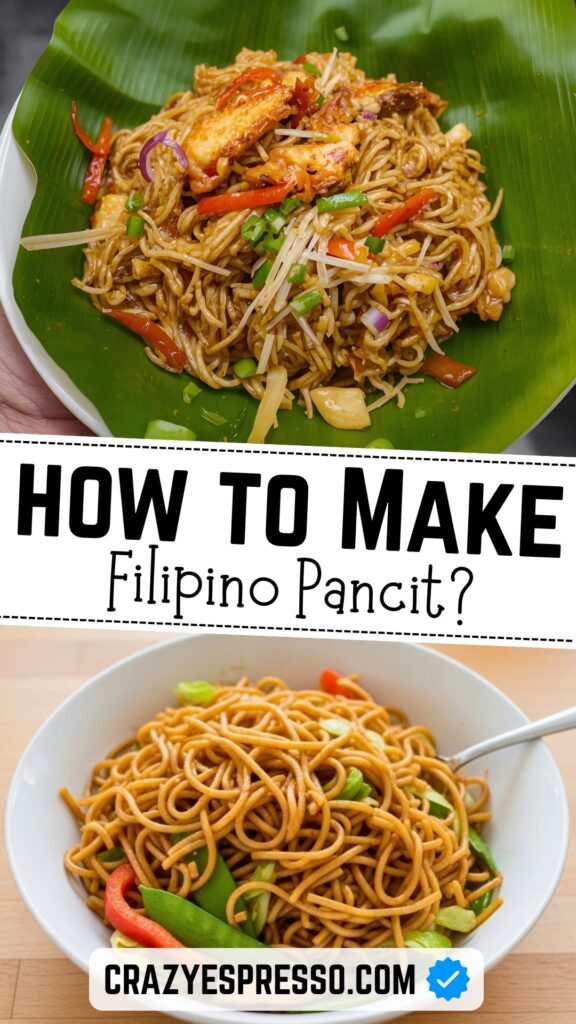
In this guide, I’ll walk you through four delicious pork-free versions of classic pancit. Whether you’re craving beef, chicken, shrimp, or the beloved pancit canton, you’ll find a recipe here that fits your kitchen and your schedule. No complicated techniques, no hard-to-find ingredients—just real, honest cooking that delivers.
Let’s get those noodles soaking.
The Heart of Pancit: Key Ingredients & Substitutions
Before diving into the recipes, let’s talk about what makes pancit sing. The beauty of this dish lies in its flexibility, but a few core ingredients create that unmistakable flavor.
| Ingredient | Purpose | Easy Substitutions |
|---|---|---|
| Pancit canton noodles | Chewy wheat noodles that soak up sauce beautifully | Lo mein noodles, thick egg noodles |
| Bihon (rice noodles) | Light, translucent noodles that add delicate texture | Vermicelli, bean threads |
| Soy sauce | Salty, savory base flavor | Tamari (gluten-free), coconut aminos |
| Calamansi or lemon | Bright, tangy finish | Lime juice, rice vinegar |
| Garlic & onion | Aromatic foundation | Shallots, garlic powder in a pinch |
| Chicken broth | Adds depth and keeps noodles moist | Vegetable broth, seafood stock |
| Vegetable oil | For sautéing | Canola oil, avocado oil |
A quick note on noodles: Pancit canton noodles (the thick, yellow wheat kind) and bihon (thin rice noodles) are widely available in Asian grocery stores and even in the international aisle of many regular supermarkets. If you can only find one, use it—the dish will still be delicious.
4 Ways to Make Filipino Pancit (Without Pork)
Each of these recipes follows the same basic method but swaps the protein and adjusts a few seasonings to match. I’ve kept portions consistent so you can easily compare and choose what suits your mood.
Table of Contents
1. Filipino Pancit With Beef
This version delivers rich, savory depth with tender strips of beef that absorb all the garlic-soy goodness.
Ingredients:
| Ingredient | Amount |
|---|---|
| Pancit canton noodles | 8 oz |
| Beef sirloin (thinly sliced) | 1 lb |
| Soy sauce | ¼ cup |
| Calamansi juice (or lemon) | 2 tbsp |
| Garlic (minced) | 4 cloves |
| Onion (chopped) | 1 medium |
| Carrots (julienned) | 1 cup |
| Green beans (sliced) | 1 cup |
| Cabbage (shredded) | 2 cups |
| Chicken broth | 1½ cups |
| Vegetable oil | 2 tbsp |
| Salt & pepper | To taste |
Instructions:
- Marinate beef slices in 2 tablespoons soy sauce and calamansi juice for 10 minutes.
- Soak pancit canton in warm water for 5 minutes, then drain well.
- Heat oil in a large wok or skillet over medium-high heat. Sear beef until browned, about 2–3 minutes per side. Remove and set aside.
- In the same pan, sauté garlic and onion until fragrant. Add carrots and green beans, stir-frying for 2 minutes.
- Pour in broth and remaining soy sauce. Bring to a simmer.
- Add noodles and cabbage. Toss everything together, letting the noodles absorb the liquid.
- Return beef to the pan, toss to combine, and cook for another 2–3 minutes until heated through.
- Adjust seasoning and serve hot.
2. Filipino Pancit With Chicken
Light, comforting, and incredibly easy, this chicken version is the one I make most often for weeknight dinners.
Ingredients:
| Ingredient | Amount |
|---|---|
| Pancit canton noodles | 8 oz |
| Chicken breast (thinly sliced) | 1 lb |
| Soy sauce | ¼ cup |
| Garlic (minced) | 4 cloves |
| Onion (chopped) | 1 medium |
| Carrots (julienned) | 1 cup |
| Bell pepper (sliced) | 1 cup |
| Cabbage (shredded) | 2 cups |
| Chicken broth | 1½ cups |
| Vegetable oil | 2 tbsp |
| Salt & pepper | To taste |
Instructions:
- Soak noodles in warm water for 5 minutes, then drain.
- Heat oil in a large pan. Sauté garlic and onion until soft.
- Add chicken slices and cook until no longer pink, about 5–6 minutes.
- Toss in carrots and bell pepper, stir-frying for 2 minutes.
- Pour in broth and soy sauce. Bring to a gentle boil.
- Add noodles and cabbage, stirring constantly until noodles have absorbed most of the liquid and are tender.
- Season with salt and pepper. Serve immediately with a squeeze of fresh lemon.
3. Filipino Pancit Canton Recipe
Pancit canton is the ultimate comfort noodle dish—hearty, saucy, and packed with vegetables. This version uses both canton noodles and a touch of oyster sauce for extra depth.
Ingredients:
| Ingredient | Amount |
|---|---|
| Pancit canton noodles | 12 oz |
| Chicken thigh (boneless, sliced) | ½ lb |
| Shrimp (peeled, deveined) | ½ lb |
| Soy sauce | 3 tbsp |
| Oyster sauce | 2 tbsp |
| Garlic (minced) | 5 cloves |
| Onion (chopped) | 1 medium |
| Carrots (julienned) | 1 cup |
| Snow peas | 1 cup |
| Cabbage (shredded) | 2 cups |
| Chicken broth | 2 cups |
| Vegetable oil | 2 tbsp |
Instructions:
- Soak canton noodles in warm water for 5–7 minutes, then drain thoroughly.
- Heat oil in a wok. Sauté garlic and onion until aromatic.
- Add chicken and cook for 4–5 minutes, then add shrimp and cook until pink.
- Stir in carrots and snow peas, cooking for 2 minutes.
- Pour in broth, soy sauce, and oyster sauce. Bring to a simmer.
- Add noodles and cabbage. Toss continuously until noodles are tender and have absorbed the sauce.
- Serve hot with extra calamansi on the side.
4. Easy Filipino Pancit With Shrimp
Light, briny, and perfect for seafood lovers, this version lets the shrimp shine while keeping everything quick and simple.
Ingredients:
| Ingredient | Amount |
|---|---|
| Bihon (rice noodles) | 8 oz |
| Shrimp (peeled, tails on or off) | 1 lb |
| Soy sauce | 3 tbsp |
| Fish sauce | 1 tbsp |
| Garlic (minced) | 4 cloves |
| Onion (chopped) | 1 medium |
| Carrots (julienned) | 1 cup |
| Celery (sliced) | ½ cup |
| Cabbage (shredded) | 2 cups |
| Chicken or seafood broth | 1½ cups |
| Vegetable oil | 2 tbsp |
Instructions:
- Soak bihon noodles in warm water for 10 minutes, then drain.
- Heat oil in a large skillet. Sauté garlic and onion until fragrant.
- Add shrimp and cook just until pink, about 2–3 minutes. Remove shrimp and set aside.
- In the same pan, add carrots and celery. Stir-fry for 2 minutes.
- Pour in broth, soy sauce, and fish sauce. Bring to a boil.
- Add noodles and cabbage. Toss until noodles have absorbed the liquid.
- Return shrimp to the pan, toss gently, and cook for another minute.
- Serve warm with a sprinkle of chopped green onions.
Nutritional Information
Approximate values per serving (based on 4 servings per recipe)
| Nutrient | Amount (Per Serving) |
|---|---|
| Calories | 380–450 |
| Protein | 28–32 g |
| Carbohydrates | 45–50 g |
| Fat | 10–14 g |
| Fiber | 4–6 g |
| Sodium | 700–900 mg |
Values vary depending on protein choice and vegetable mix.
Pro Tips for the Perfect Pancit ✅
After making pancit more times than I can count, I’ve learned a few things that make the difference between good and great.
- Don’t overcook the noodles. Pancit canton and bihon should be soaked, not boiled. Over-soaking turns them into mush. Aim for pliable but still firm before adding to the pan—they’ll finish cooking in the broth.
- High heat is your friend. A hot wok or skillet gives you that slight char and keeps vegetables crisp-tender. If your pan is crowded, work in batches.
- Season as you go. Add soy sauce gradually. You can always add more, but you can’t take it back. Taste before serving and adjust with a squeeze of citrus to brighten everything up.
- Prep before you start cooking. Pancit comes together fast once the heat is on. Have all your ingredients chopped, measured, and ready to go.
Common Mistakes to Avoid ❌
Even experienced cooks sometimes run into trouble with pancit. Here are the pitfalls to steer clear of:
- Using too much broth: The goal is moist, flavorful noodles—not soup. Add broth gradually. Noodles should absorb nearly all of it by the time you’re done.
- Skipping the soak: Adding dry noodles directly to the pan will leave you with unevenly cooked, crunchy results. Always soak them first.
- Overcrowding the pan: If your pan is too full, ingredients will steam instead of sauté. Use a large wok or cook in batches.
- Forgetting the acid: That final squeeze of calamansi or lemon isn’t optional—it balances the saltiness and lifts the entire dish.
Frequently Asked Questions
Can I make pancit ahead of time?
Pancit is best enjoyed fresh, but leftovers keep well in the refrigerator for up to 3 days. Reheat in a skillet with a splash of broth or water to restore moisture. The noodles will soften slightly, but the flavor remains excellent.
What’s the difference between pancit canton and bihon?
Pancit canton refers to thick, wheat-based noodles that have a chewy, bouncy texture. Bihon are thin, translucent rice noodles that are lighter and more delicate. Many Filipino households use both in one dish for contrast in texture, but either works beautifully on its own.
Is this recipe gluten-free?
The traditional recipes here use wheat-based canton noodles and soy sauce, which contain gluten. For a gluten-free version, substitute tamari for soy sauce and use 100% rice noodles (bihon or vermicelli).
Can I add other vegetables?
Absolutely. Pancit welcomes almost any vegetable you have on hand. Common additions include snow peas, bok choy, bell peppers, and even broccoli florets. Just adjust cooking times so everything stays crisp-tender.
Bringing Pancit to Your Table
Filipino pancit is more than just a noodle dish—it’s a symbol of connection, celebration, and the simple joy of sharing a meal. Whether you choose the hearty beef version, the comforting chicken variation, the loaded pancit canton, or the light shrimp option, you’re making something that brings people together.
These four recipes are designed to be flexible, forgiving, and reliably delicious. Use them as a starting point, then make them your own. Add extra vegetables. Double the garlic. Swap proteins based on what’s in your fridge. The best pancit is the one that ends up on your table, served hot, shared with the people you care about.
Now go ahead—soak those noodles and fire up the wok. You’ve got this.