According to the Islamic lunar calendar, Ramadan begins this year on February 17. It is a month of fasting, but also of prayer, reflection, and community. These are holy days that the entire global Muslim community—some two billion people—observe by fasting each day until nightfall, when families gather to share traditional dishes from their region.
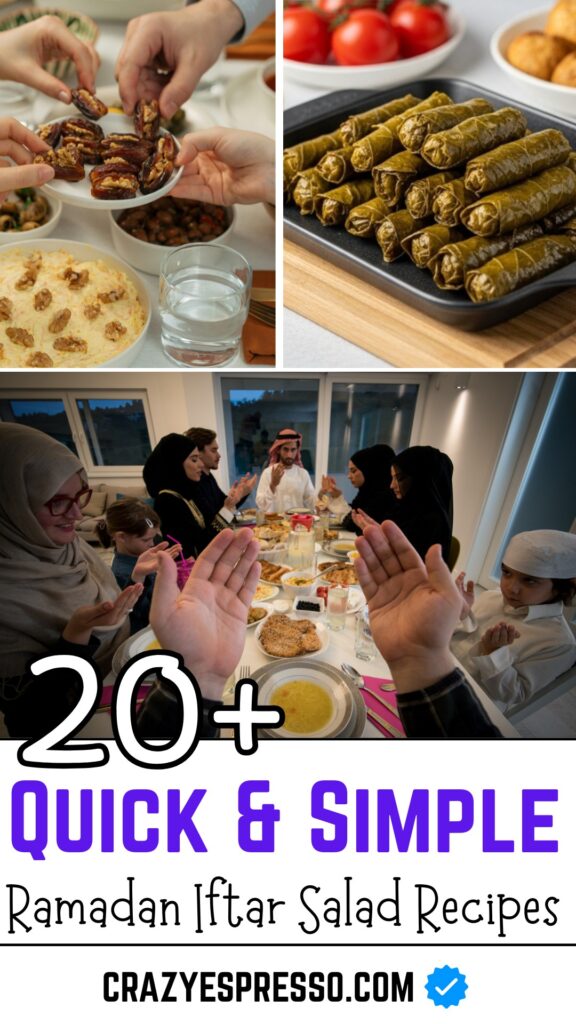
As the sun sets, kitchens fill with spiced aromas that permeate homes. Tables are set close together, and plates, teapots, tagines, and bowls pile up. The second meal of the day, the most substantial, is a sacred feast, celebrated as a family holiday full of meaning—religious, but also cultural, social, and familial.
Table of Contents
Daily Ramadan Meals and Traditions
A typical Ramadan routine involves waking up before sunrise for suhoor, a kind of breakfast meant to prepare one for the day’s fast. Dates, which are very energizing, are usually eaten with tea or milk, along with other fruits or yogurt.
At nightfall, iftar, the main meal, begins—a grand celebration where the table is set with great care for its presentation.
For someone unfamiliar with the culture, it can be difficult to grasp the significance of Ramadan. However, food has always been a powerful way to connect with others.
It’s impossible to summarize the vast variety of dishes, sweets, and foods served throughout the month in millions of Muslim homes across different countries and regions, but here we highlight selected Muslim-inspired recipes in its honor.
Recommended Foods for Fasting During Ramadan
During the month of Ramadan, it is essential to plan meals properly to maintain good nutritional balance and ensure enough energy throughout the day.
Suhoor (Pre-Dawn Meal)
- Complex carbohydrates: Oats, wholemeal bread, wholemeal couscous, and quinoa provide sustained energy.
- Lean proteins: Eggs, Greek yogurt, and fresh cheese help maintain satiety.
- Healthy fats: Avocado, nuts, and seeds provide essential nutrients.
- Hydration: Drink plenty of water and choose caffeine-free infusions to avoid dehydration.
Iftar (Breaking the Fast Meal)
- Start with dates and water, following prophetic tradition, to restore glucose levels.
- Light soups: Lentil soup or vegetable broths help prepare the digestive system.
- Balanced main course: Grilled chicken with brown rice and mixed salad.
- Moderation: Limit fatty and sugary foods to maintain healthy digestion.
Regarding quantity, it is recommended to eat slowly and maintain your usual calorie intake, whether you are on a diet or not. This intake should be spread across two main meals and one or two snacks during permitted eating hours, allowing enough time to eat and rest.
Optimizing Meal Times During Ramadan
- Suhoor near dawn: Eat as late as possible to provide energy during the day.
- Avoid heavy meals before bed: This improves sleep quality and digestion.
- Adequate hydration: Drink water in small amounts from Iftar to Suhoor, aiming for 2–3 liters.
- Limit caffeine: Reduce coffee and caffeinated tea to prevent dehydration.
What to Eat During Ramadan: Sample One-Day Menu
Below is an example of a daily menu with healthy and balanced options for Suhoor, Iftar, and the period in between.
Diet in Suhoor
- Oatmeal with milk and nuts (almonds and walnuts)
- 1–2 hard-boiled eggs
- One banana
- Two glasses of water
Iftar Diet
- Two dates and one glass of water
- Lentil soup with lemon
- Grilled chicken, brown rice, and mixed salad with olive oil
- Natural yogurt with a pinch of cinnamon
Between Iftar and Suhoor
- A handful of fresh fruit (watermelon, melon, or seasonal fruit) and nuts
- One or two glasses of water before sleep
Ingredients Table (Based on Sample Menu)
| Meal Time | Ingredients |
|---|---|
| Suhoor | Oats, milk, almonds, walnuts, eggs, banana, water |
| Iftar | Dates, water, lentils, lemon, chicken, brown rice, mixed vegetables, olive oil, yogurt, cinnamon |
| Snacks | Seasonal fruits, nuts, water |
Nutritional Focus Table (As Mentioned in the Text)
| Nutritional Element | Role During Ramadan | Food Sources Mentioned |
|---|---|---|
| Complex carbohydrates | Sustained energy | Oats, wholemeal bread, couscous, quinoa |
| Protein | Satiety and muscle support | Eggs, yogurt, chicken |
| Healthy fats | Essential nutrients | Olive oil, nuts, seeds |
| Hydration | Prevent dehydration | Water, caffeine-free infusions |
| Natural sugars | Quick energy restoration | Dates, fruit |
Frequently Asked Questions About Food During Ramadan
What foods are most recommended for Suhoor during Ramadan?
During Suhoor, it’s important to focus on foods that provide sustained energy and help maintain satiety. These include complex carbohydrates, quality protein, healthy fats, and good hydration.
What foods are best to include in an Iftar for a balanced meal?
Iftar should begin with easily digestible foods like water and dates, followed by vegetables, protein, whole grains, and healthy fats to aid recovery after fasting.
How to organize a healthy diet during Ramadan?
The key is planning meals between Iftar and Suhoor, avoiding overeating, and prioritizing nutritious foods. Regular mealtimes and hydration help sustain the fast.
How much water is recommended during Ramadan?
Water intake should be divided between Iftar and Suhoor and consumed regularly, without waiting for thirst, to prevent dehydration.
Why break the fast with dates and water?
Dates provide natural sugars that quickly restore energy, while water supports hydration after long fasting hours.
Is it advisable to consume fried or very sugary foods?
Frequent consumption may lead to indigestion, blood sugar spikes, and fatigue. These foods are best reserved for special occasions.
How to avoid tiredness and hunger during fasting?
Fiber-rich and protein-rich foods at Suhoor, along with proper hydration and rest, help maintain energy levels.
Is it possible to exercise during Ramadan?
Yes, but it’s best to choose gentle or moderate activity, ideally after Iftar or shortly before Suhoor.
What precautions should people with chronic illnesses take?
Individuals with conditions such as diabetes should consult a healthcare professional before fasting to adjust diet or medication if needed.
When should someone break the fast for health reasons?
If symptoms like severe dizziness, extreme weakness, confusion, or dehydration occur, breaking the fast is necessary to prioritize health.
Conclusion
Ramadan is not only a period of fasting, but a time of balance, intention, and connection—to faith, family, and food.
Thoughtful meal planning, proper hydration, and mindful choices allow fasting to be both spiritually meaningful and physically sustainable.
By respecting the body’s needs while honoring tradition, Ramadan becomes a nourishing experience in every sense of the word.