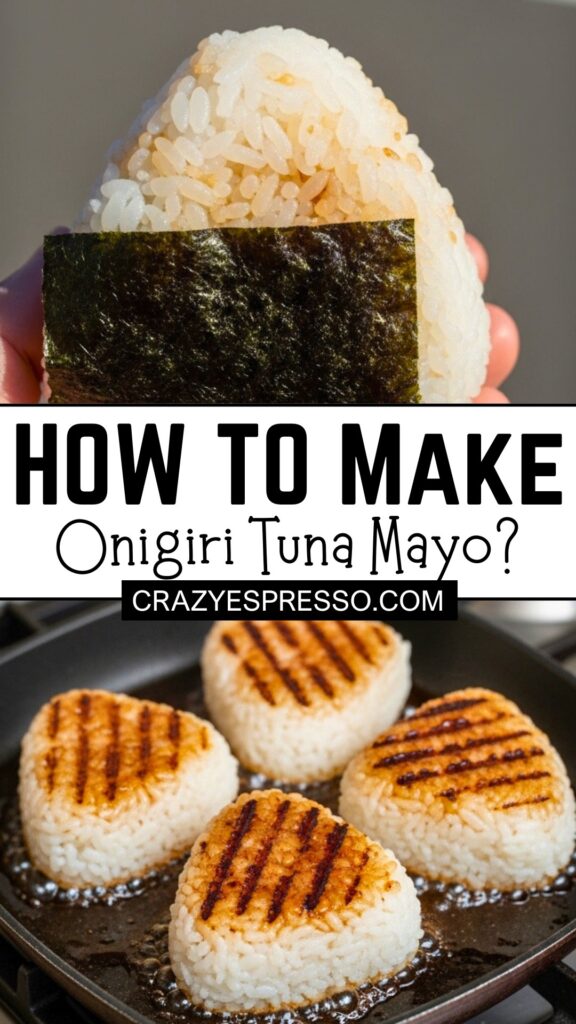
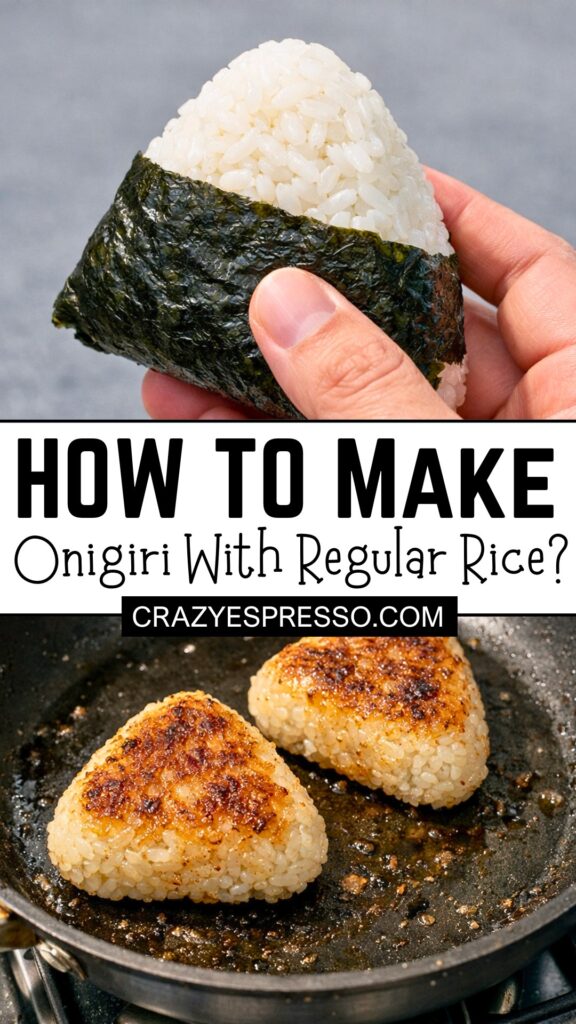
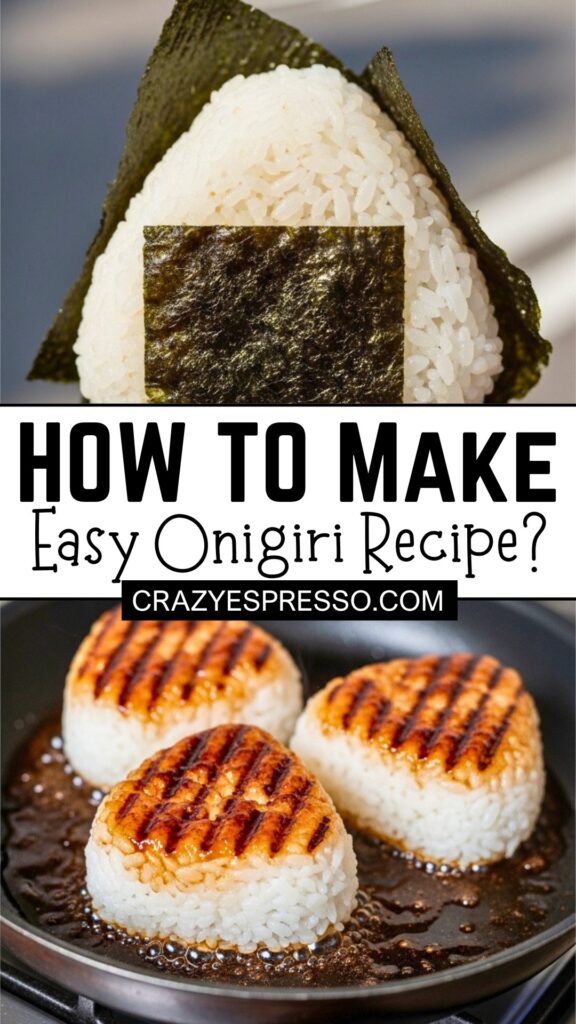
The recipe for onigiri (お握り), also called Omusubi (おむすび) or rice balls, is relatively simple to make.
It is one of the most consumed and popular dishes in Japanese cuisine. It is commonly eaten as a quick meal after work, as a snack at school, on outings, or simply as a substitute for what we in the West know as a sandwich.
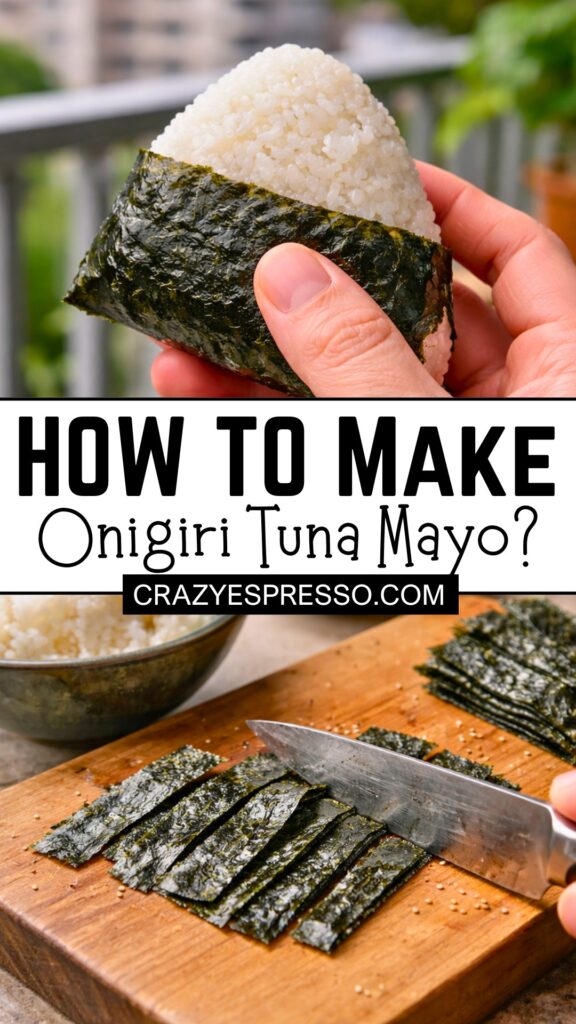
In this post, we will teach you how to prepare the onigiri recipe.
Types of Onigiri
Today, I’ll show you how to make onigiri in six irresistible varieties:
- Basic onigiri: you will only need rice, water, salt and, optionally, nori seaweed.
- Tuna and mayonnaise onigiri: filled with tuna and the smooth Japanese Kewpie mayonnaise.
- Okaka onigiri: filled with bonito flakes (katsuobushi) with soy sauce.
- Furikake onigiri: rice seasoned with furikake (Japanese seasoning mix).
- Yaki onigiri: my favorite, toasted in a pan and covered with soy sauce.
- Spicy Chicken onigiri: chicken marinated with spicy kewpie mayonnaise and gochujang.
How to make Onigiri (6 Japanese rice balls)?
Recipe Information
- Japanese cuisine
- Preparation time: 30 minutes
- Cooking time: 50 minutes
- Total time: 1 hour 20 minutes
- Calories: 200 kcal
Material
- Rice cooker
- Knife
- Bowl
- Frying pan
Ingredients
Base Ingredients
| Ingredient | Quantity |
|---|---|
| Japanese rice | 1 cup (for every 3 onigiri) |
| Salt | 1 tsp |
| Water | 1 cup |
| Nori seaweed | As needed |
Onigiri Furikake
| Ingredient | Quantity |
|---|---|
| Furikake | 1 tsp |
Onigiri Okaka
| Ingredient | Quantity |
|---|---|
| Katsuobushi | 1 handful |
| Soy sauce | 1 tsp |
Onigiri Tuna Mayo
| Ingredient | Quantity |
|---|---|
| Canned tuna | As needed |
| Kewpie mayonnaise | As needed |
Yaki Onigiri
| Ingredient | Quantity |
|---|---|
| Mirin | 30 ml |
| Soy sauce | 30 ml |
| Sake | 10 ml |
| Sugar | 1 tbsp |
Spicy Chicken Onigiri
| Ingredient | Quantity |
|---|---|
| Chicken breast (cut into strips) | 75 g |
| Ginger (thin strips) | 1 small piece |
| Carrot (thin strips) | 1 small piece |
| Spring onion (thin strips) | 1 small piece |
| Soy sauce | 1 tbsp |
| Sake | 1 tbsp |
| Garlic | 1/2 clove |
| Mayonnaise | 1 tbsp |
| Gochujang sauce | To taste |
Instructions:
Preparing the Rice
- We wash the rice
- Prepare it in a pot or in a rice cooker
Basic Onigiri
- Wet your hands with water and add a little salt
- Use the left hand for the bottom and the right hand for the top
- Press into a triangle shape in the palm
- Rotate to ensure all corners are properly shaped
- Optionally add nori seaweed
Furikake Onigiri
- Add 1 teaspoon of furikake to the rice before shaping
- Wet hands and add salt
- Shape as basic onigiri
- Optionally add nori
Tuna and Mayonnaise Onigiri
- Mix the tuna with the mayonnaise
- Wet hands and add salt
- Shape rice into a small bowl
- Add tuna in the center
- Cover with rice and shape
- Optionally add nori
Yaki Onigiri
- Prepare the “unagi” sauce:
- Add sugar and sake to a pot and bring to a boil
- Add mirin and soy sauce, bring to a boil, then remove from heat
- Prepare a basic onigiri
- Heat a frying pan over medium heat
- Cook until it starts to brown
- Turn and toast the other side
- Brush with sauce and cook carefully (it burns quickly)
- Repeat on both sides
Spicy Chicken Onigiri
- In a bowl, add chicken, soy sauce, sake, and grated garlic
- Mix and marinate for 15 minutes
- Mix mayonnaise with gochujang sauce
- Heat oil and sauté ginger, carrot, and spring onion
- Cook chicken until fully done
- Prepare a basic onigiri
- Make a vertical indentation in the center
- Add spicy mayo, vegetables, and chicken
- Wrap with nori seaweed
Onigiri Okaka
- Mix katsuobushi with soy sauce
- Wet hands and add salt
- Shape rice into a bowl
- Add filling in the center
- Cover and shape
- Optionally add nori
The filling and shape of the onigiri
There are two common ways to prepare rice:
- Putting the filling inside
- Mixing the rice with the seasoning
You can find molds for shaping onigiri, although it’s not common at home. The Japanese trick is to use plastic wrap. After shaping slightly by hand, finish shaping with plastic wrap to prevent sticking and make it firmer.
Another very important trick is to shape the onigiri while the rice is hot, because if it is cold, the shape will not come out right.
The trick is to have a little skill and place the filling where you want, molding it to your liking.
The most common shape is triangular, but you can also make them:
- Round
- Square
- Rectangular
- Different shapes for children
There are two classic ways to prepare them:
- Wrapped in nori seaweed
- Grilled
Nori wrapping
- Cut nori into pieces (8–10 cm long, 2–3 cm wide)
- No need to wet it
- The moisture from the rice helps it stick
- Sprinkle a little salt before wrapping and let it cool
Nori adds flavor and prevents your fingers from sticking to the rice.
Grilled Onigiri
- Place onigiri in a pan with a little sesame oil
- Turn until golden brown
- Optionally coat with sauce (sake, soy sauce, mirin, sugar)
- Grill over medium-high heat
Tips and tricks for making perfect Japanese rice balls
- Use freshly cooked rice
- Keep the rice hot but manageable
- Wet your hands to prevent sticking
- Use salt while shaping
- Press gently—not too hard
- Use molds, hands, or cling film
- Add nori just before serving so it stays crisp
Nutritional Facts
| Nutrient | Amount |
|---|---|
| Calories | 200 kcal |
| Carbohydrates | 35 g |
| Protein | 5 g |
| Fat | 3 g |
| Sodium | Moderate |
| Fiber | 1–2 g |
FAQs
What is onigiri?
Onigiri is a Japanese rice ball usually shaped and filled with different ingredients.
Can I make it without nori?
Yes, nori seaweed is optional.
Why is my onigiri falling apart?
Because the rice may be too cold or not pressed properly.
What rice should I use?
Use short-grain Japanese rice for best results.
Can I store onigiri?
Yes, but it is best eaten fresh.
Conclusion
Onigiri is a simple, versatile, and traditional Japanese dish that can be adapted to many tastes. With different fillings, shapes, and cooking styles, it remains a practical and delicious option for meals or snacks anytime.