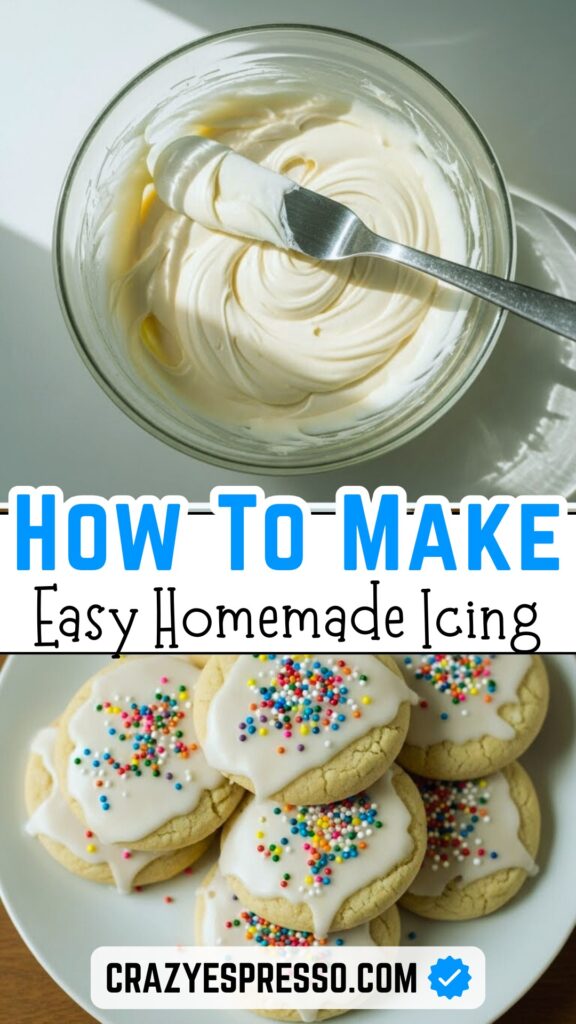
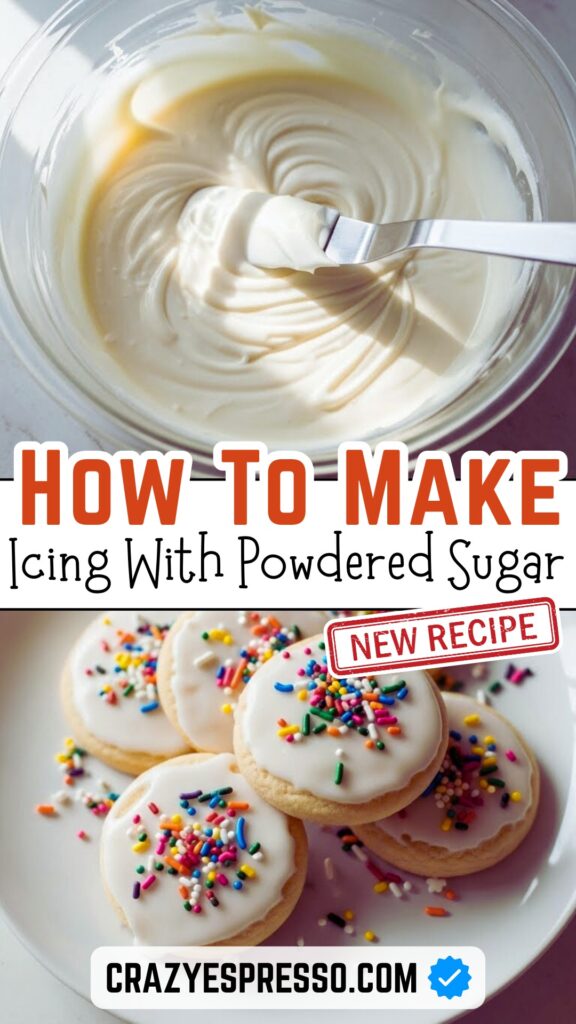
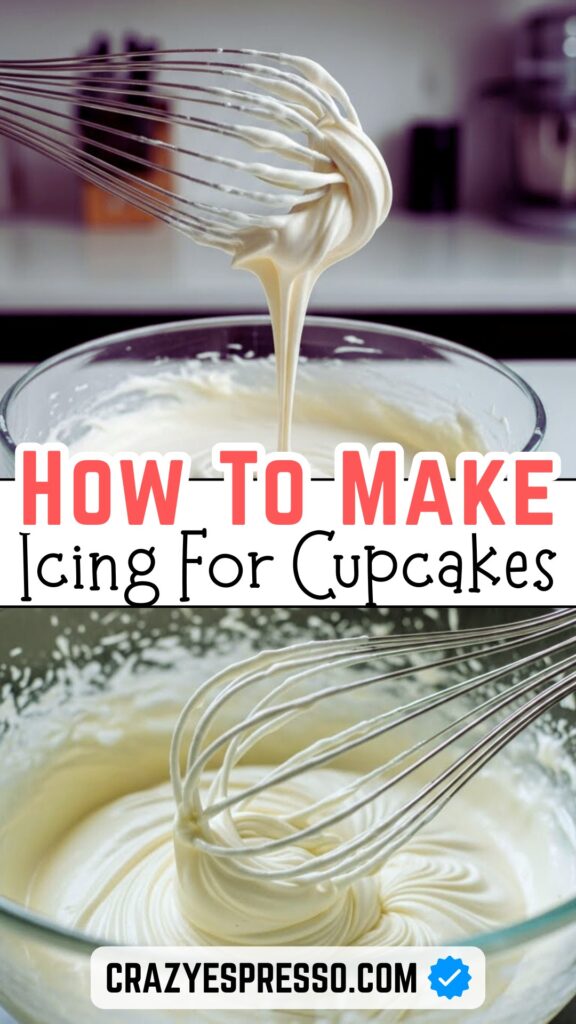
Royal icing is a coating of powdered sugar and egg white used to decorate cookies and cakes. When it hardens in the air, it creates crisp, crunchy designs with a beautiful white color.
Traditionally, royal icing for decorating cookies is prepared by combining both ingredients and whipping them together until a stiff, glossy consistency is achieved.

Today, we’re going to explain how to make royal icing for decorating cookies using egg white powder.
Table of Contents
What is Albumin?
Simply put, it’s the protein contained in egg whites, making up 60–65% of their weight. It’s dehydrated egg white, ground into a powder that can be used in place of fresh or pasteurized egg whites.
It has the same binding properties as egg whites but produces more consistent results, since egg whites can vary in dryness and size. It also has a much longer shelf life.
However, the key advantage of albumin over fresh or pasteurized egg whites is that it allows you to mix with less water. Using albumin lets you adjust the water to your liking, focusing primarily on the albumin-to-icing sugar ratio.
As our friends at Mensaje en una galleta (Message on a Cookie) explain, this is crucial for the consistency and texture of the icing, since the water evaporates at the end. This ensures that the icing always dries very hard and glossy.
A Few Observations Before We Begin:
- To make royal icing, homemade icing sugar made with a powerful machine, such as a Thermomix, is not suitable. It must be commercially produced icing sugar.
- We will always add the sugar sifted.
- Before starting, read the recipe carefully and have all ingredients and utensils ready. This preparation is called mise en place.
How to Make Icing with Powdered Albumin?
Ingredients:
- 10 g albumin powder
- 70 g cold water
- 375 g icing sugar
Procedure:
- In the bowl of a food processor, add the water and carefully pour in the egg white powder, as it is very light and tends to rise.
- Blend lightly to combine the mixture.
- Let the egg white powder hydrate for at least one hour. If possible, allow it to hydrate overnight for best results.
- Make sure there are no lumps, as they can clog the nozzles during use.
- For this step, blending with a blade attachment works much better than using a whisk.
Video Guide
Royal Icing is Used in Two Main Consistencies:
- Outlining consistency
- Should form a soft peak
- The peak bends slightly instead of standing stiff
To test it, place half a teaspoon of icing into the nozzle you plan to use and press with your finger to form a cord. If the upper cord does not melt over the lower one, or only slightly, the consistency is perfect for outlining.
- Filling consistency
- Use the same recipe
- Add water gradually, spoon by spoon, until satisfied
Try making royal icing for decorating cookies with albumen. It’s just as easy, or even easier, than using egg whites. If you’ve never made royal icing before, there’s nothing to be afraid of. With a little practice, you’ll soon be the king or queen of decorated cookies.
Ruth Dissects the Recipe
FLAVOR:
It’s sweet, regardless of the flavor you choose, but it’s a thin layer that adds an irresistible touch to any dessert.
TEXTURE:
When first applied, it’s silky and velvety. As time passes, it dries, becomes less shiny, and slightly crunchy. It’s enjoyable at every stage.
DIFFICULTY:
It’s very easy, much easier than wishing Chris Hemsworth were your surf instructor in Australia.
FUN FACTS:
There are endless variations. Once you start practicing, your imagination will run wild.
The Almond Trick: How to Make the Perfect Glaze
The humidity and temperature of your environment, the type of sugar, and any liquid or flavoring you add can affect consistency.
You may need more or less liquid, which is why it’s important to add gradually and stir until you reach your ideal texture. A thin donut glaze needs more liquid than a glaze for a loaf cake.
- If the glaze is too runny, add powdered sugar one tablespoon at a time.
- If you have leftover glaze, store it airtight in the refrigerator for 7–10 days.
- Let it reach room temperature, stir, and add a little liquid if needed.
Cool Questions and Answers
DOES ICING HARDEN?
Yes. With the correct icing sugar-to-liquid ratio, it dries to a matte finish and cuts cleanly at room temperature. Always ice completely cooled desserts.
CAN I MAKE IT IN ADVANCE?
Yes. Prepare it up to 5 days ahead, store refrigerated, then whisk at room temperature before using.
HOW SHOULD I STORE ICED CAKES?
You can store them covered at room temperature for up to 3 days. If the temperature exceeds 25°C (77°F), or the filling is perishable, refrigerate.
WHAT FLAVORS CAN I USE?
Like Swiss meringue buttercream or classic buttercream, this icing can be customized in countless ways.