Have you ever seen an embroidery design that blew your mind, and now you’re wondering how to embroider something similar? Would you like to learn how to embroider different figures and patterns, but all you know is that you need thread and a needle? Don’t worry! In this article, we’ll tell you everything you need to know about hand embroidery, what you need to get started, and the steps to embroider those designs you love so much.
We’re also giving you some completely free guides and templates that you can use to practice and become an expert in embroidery techniques. Bookmark this blog post so you always have it handy 👑.
Shall we start stitching with thread? Let’s go!
What do I need to start embroidering?
As you probably already know, theory alone isn’t enough to learn embroidery. For this reason, one of the keys to learning how to embroider on fabric is to have a clear understanding of the materials you need and become familiar with them. How else could you create your designs by hand if you don’t know what you’re working with?
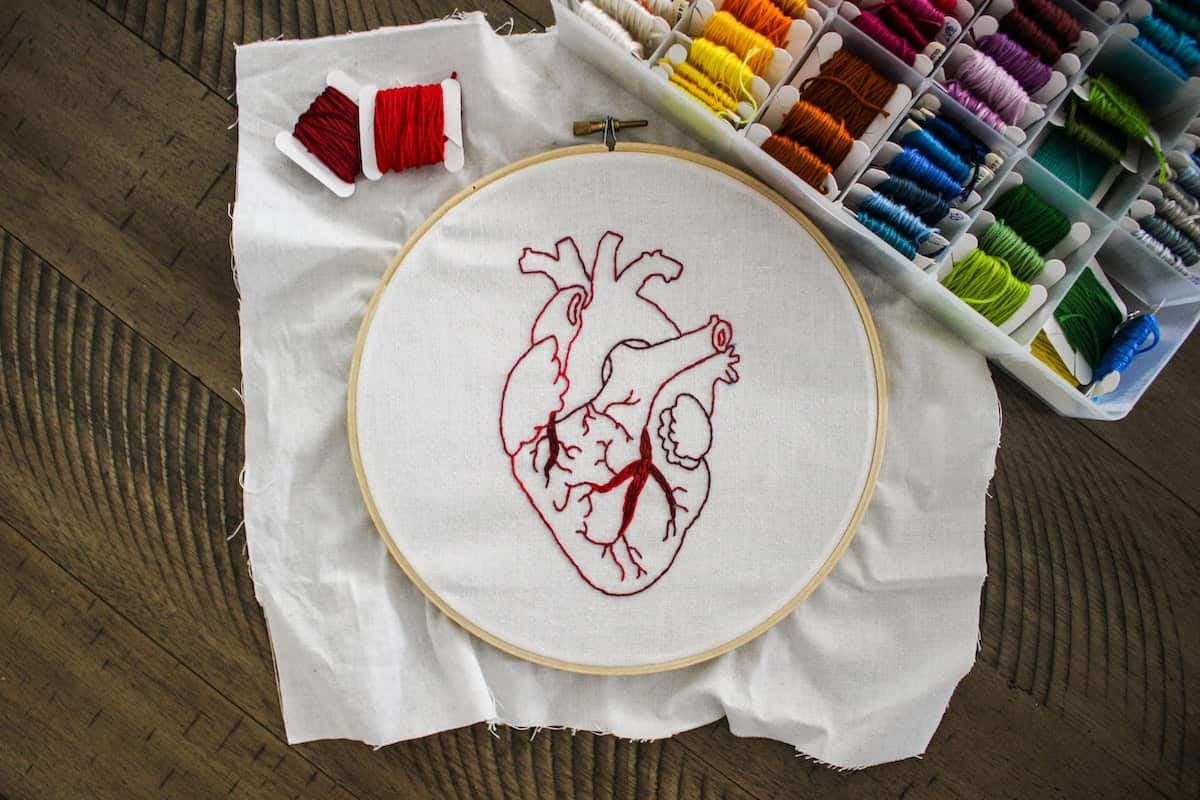
These are the tools you will need to master the technique of hand embroidery for beginners:
- Embroidery threads
- Embroidery needle
- Needle threader
- Embroidery fabric
- Scissors
- Pencil
Source: Pexels
Embroidery fabric
You’re probably wondering, “What kind of fabric do I use for embroidery?” and “What’s the best needle for embroidery?” The truth is, once you get the hang of it, the options are endless, and your choices depend on your personal taste and the effect you want to achieve.
There are two types of fabrics that you should distinguish before diving into how to hand embroider with sewing thread:
- Uniform weave fabrics: these can be cotton or synthetic. They are characterized by having the same number of threads per inch in both directions, resulting in a regular pattern. Some of the most common are rayon, polyester, cotton, silk, wool, and linen.
- Plain weave fabric: these are fabrics in which each thread is over another thread, under another thread, or in both directions.
If you’re just starting out learning hand embroidery, we recommend choosing a 100% cotton fabric, as it’s woven in squares that will allow you to guide your stitches along the material. The most economical and easiest to find is Aida or Java fabric.
Embroidery needle
If you’re wondering how to embroider on fabric by hand, you’ll also need to choose the best embroidery needle . At this point, you should consider two main aspects:
- The size of your needle should correspond to the thickness of the thread you use. What sizes are embroidery needles? The most common sizes are 8, 9, and 10.
- The type of needle will depend on the type of embroidery you want to achieve.
On the other hand, the thread you choose for embroidery will be a fundamental aspect of your designs. Just like with the fabric, starting with cotton thread is best for someone who is just learning how to embroider. Remember that you can play with colors and textures to make your embroidery more creative.
Embroidery threads
When it comes to embroidery threads, the varieties are endless. Remember that this material will be the heart of your work, so don’t be afraid to combine new colors in your designs. The most commonly used types of thread for embroidery are:
- Mouliné. This thread is composed of 6 strands. When embroidering, they can be separated and used individually or in groups, which will determine the final effect on the fabric. It is primarily made of cotton and is available in a wide variety of colors, both solid and ombré.
- Perlé. Made of cotton and composed of 4 strands that do not separate, it comes in different thicknesses.
- Retors cotton. This type of thread, made of thick cotton, is the most commonly used for embroidery on upholstery and heavy fabrics.
- Metallic threads. These are threads made of very eye-catching synthetic materials. Ideal for details.
Source: Pexels
Key tools: needle threader, pencil, and scissors
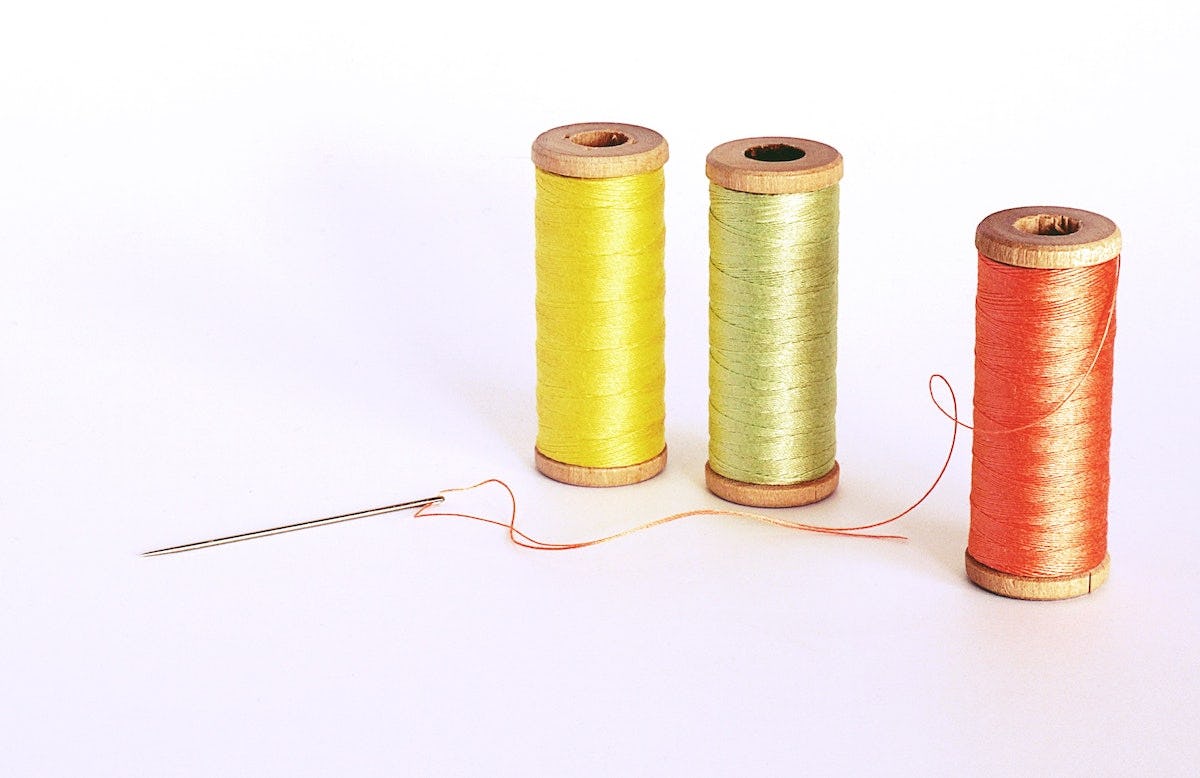
You already have your needles, fabric, and embroidery thread ready. All that’s left to do is thread the needle. Never done it before? It’s very easy:
- Insert the wire into the eye of the needle.
- Now pass the thread through the wire rhombus
- Pull the thread out. And that’s it!
Don’t forget to first trace your designs onto the fabric with a pencil; this will prevent you from making mistakes and ruining the fabric. All that’s left is a pair of very sharp scissors that will allow you to cut your material exactly as you want.
Tip: Don’t use them for anything else, or they’ll dull.
Finally, before learning how to hand embroider, you’ll also need to keep in mind some of the basic techniques that every thread artist should know. For example, it’s very important to know what stitches are available.
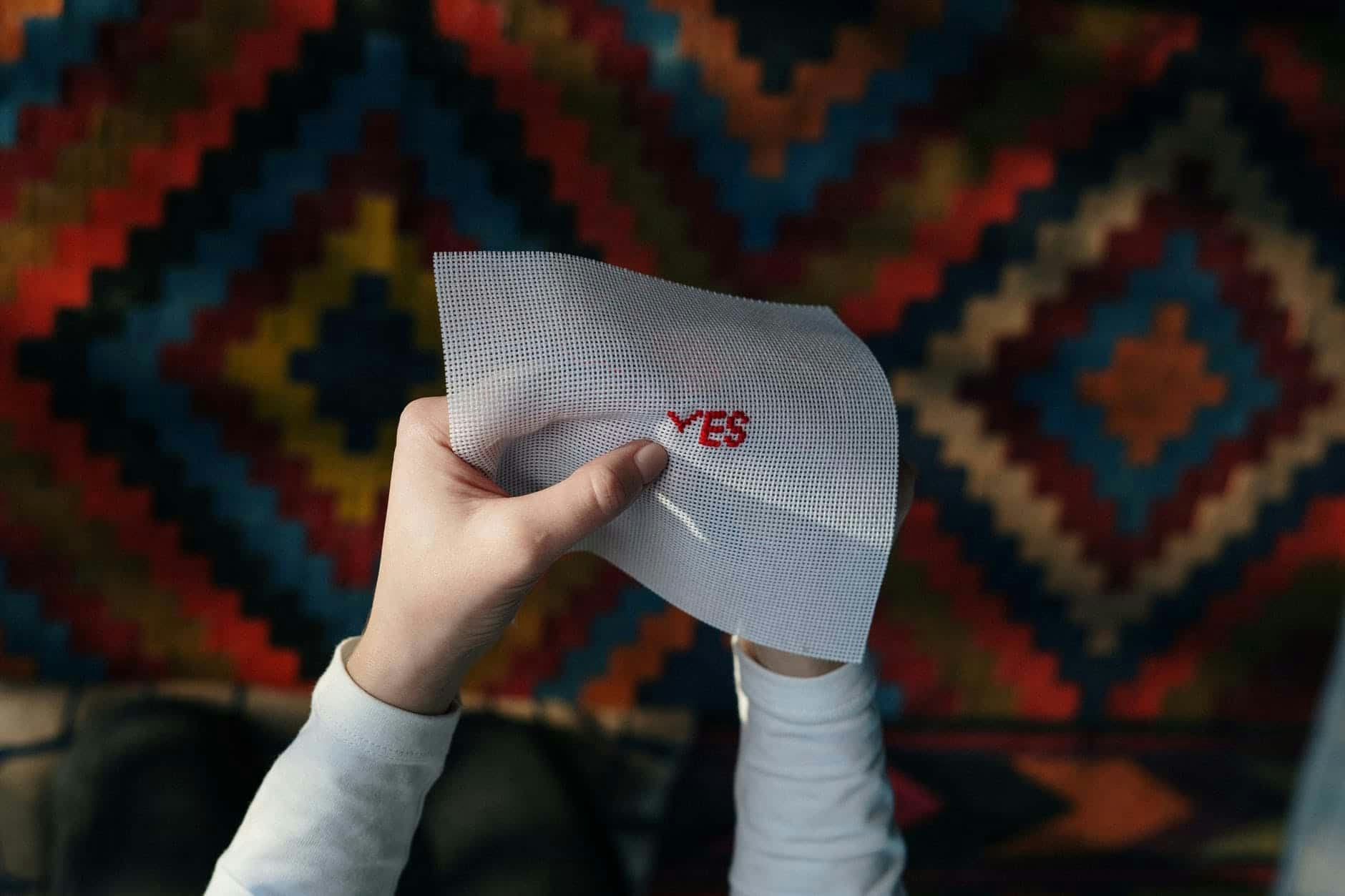
How to embroider letters?
One technique that should be part of your embroidery skills is hand-embroidered lettering. Want to learn how to embroider letters? According to El Mundo, here are the steps you should follow to learn how to hand-embroider names easily and enjoyably:
- The first thing you should do is choose a fabric to work with and the color of thread you are going to use.
- Then, to ensure your final embroidery is as neat as you want, we recommend that you draw the letters with a marker or pencil directly onto the fabric.
- Now, the secret to embroidering letters by hand and making them look professional is to use the backstitch for letter embroidery.
To make the backstitch more effective, keep the following tips in mind:
- The needle, already threaded with thread, should be brought out through the top side of the work surface.
- It establishes a distance between each section.
- Insert the needle behind the thread’s exit point, adjusting the distances.
- Next, take the needle so that it comes out through the top, respecting the distance you established at the beginning.
- Follow the steps until you finish embroidering the letters.
You can also learn how to embroider letters using stem stitch , split stitch, or simple stitches as if you were sewing any garment for a more rustic finish. Not sure what stem stitch is? In this technique, the thread should always be ahead. Try making stitches the size of a grain of rice until they form a small spike.
Would you like to take it a step further and hand-embroider your letters in negative? All you have to do is embroider the rest of the fabric that doesn’t form the letter shape itself.
See? Embroidering letters by hand isn’t so difficult! Try it now and have fun with the results!
Source: Pexels
How to embroider stars?
Stars are one of the most popular designs for embroidery. So, if you’re considering adding them to your projects, here’s how to easily embroider stars:
- Choose the fabric and thread you will use for your embroidery.
- Don’t forget to stretch your fabric taut in the metal hoop. It’s very important to do this when embroidering stars on fabric or any geometric shape, otherwise it will look messy and unattractive.
- Draw the star shape on the fabric and start embroidering!
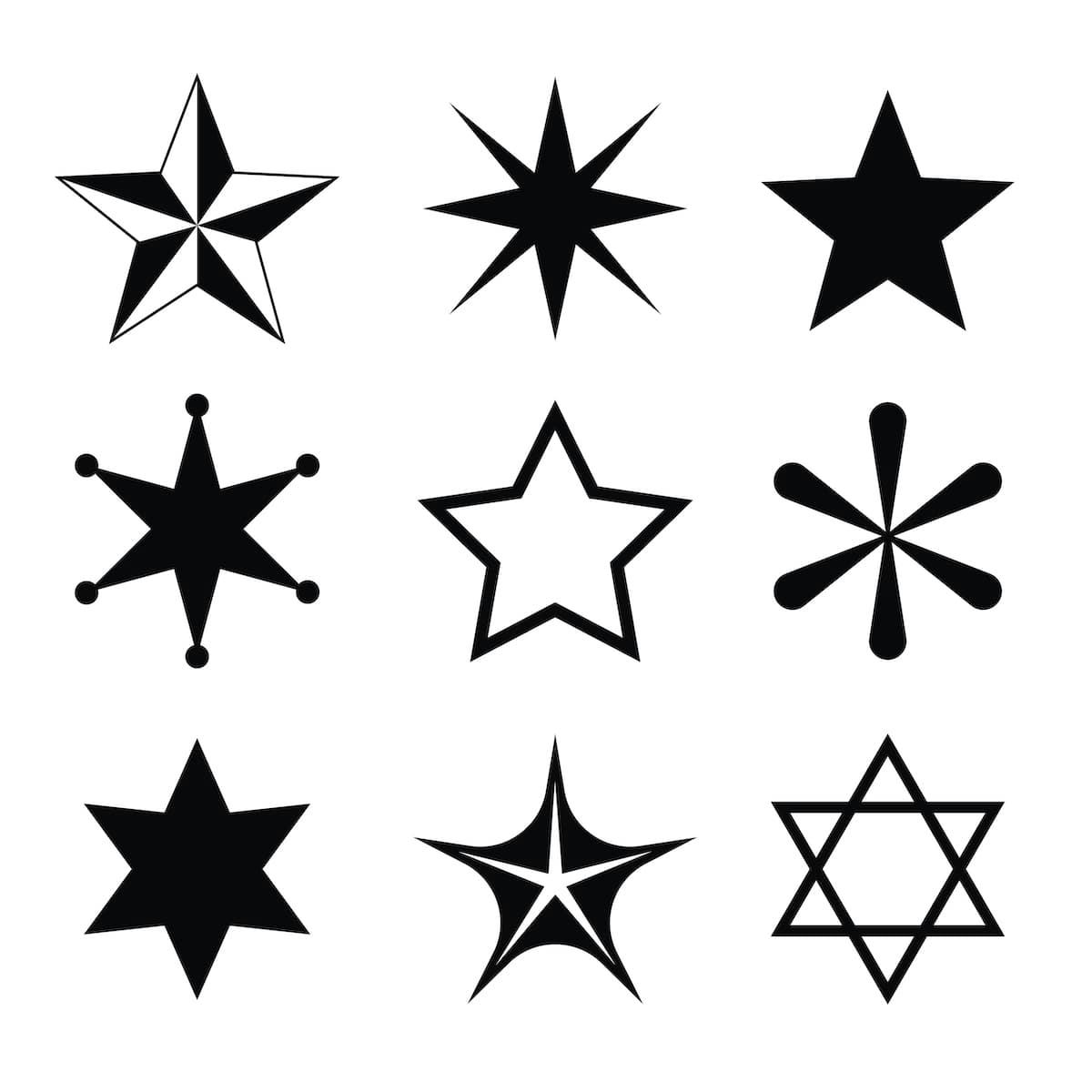
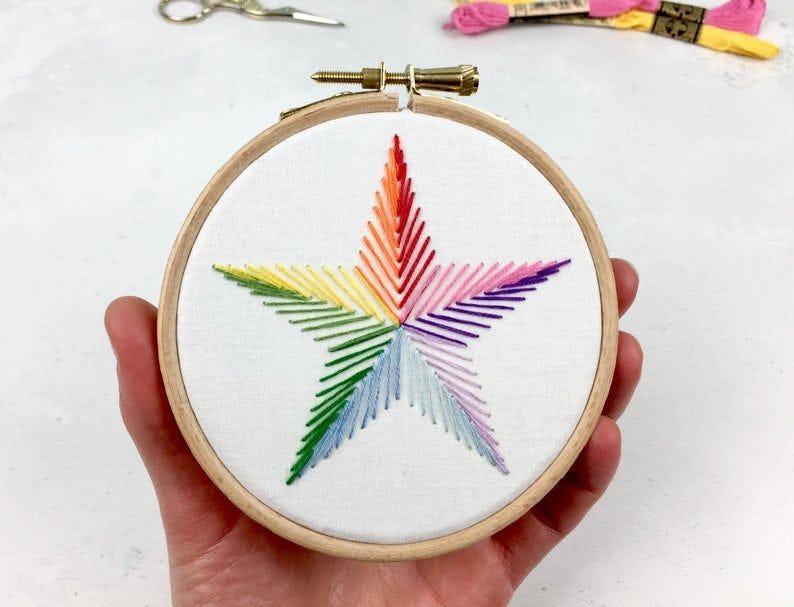
A good technique for easily embroidering stars is to divide each point of the star in half, as shown in the first figure. Then, begin your embroidery from the center lines of each point to its ends using simple stitches.
Source: Freepik
Simple stitches are the most recommended method for beginners who want to start embroidering and unleash their creativity in this type of craft. You simply have to sew the stars following the shape until it’s complete.
Likewise, another way to learn how to embroider stars is by making simple stitches only on the outlines of the figure or on some portions of it.
Source: Pinterest
How to embroider flowers?
Are you fascinated by the idea of learning how to embroider flowers and putting it into practice? Do you want to make handkerchiefs with embroidered flowers or decorate your clothing according to your personal taste? Flowers are one of the most popular patterns in embroidery, not only because there are simple techniques for creating them, but also because they truly look beautiful.
Let’s look at some essential points you need to master to learn how to embroider a flower:
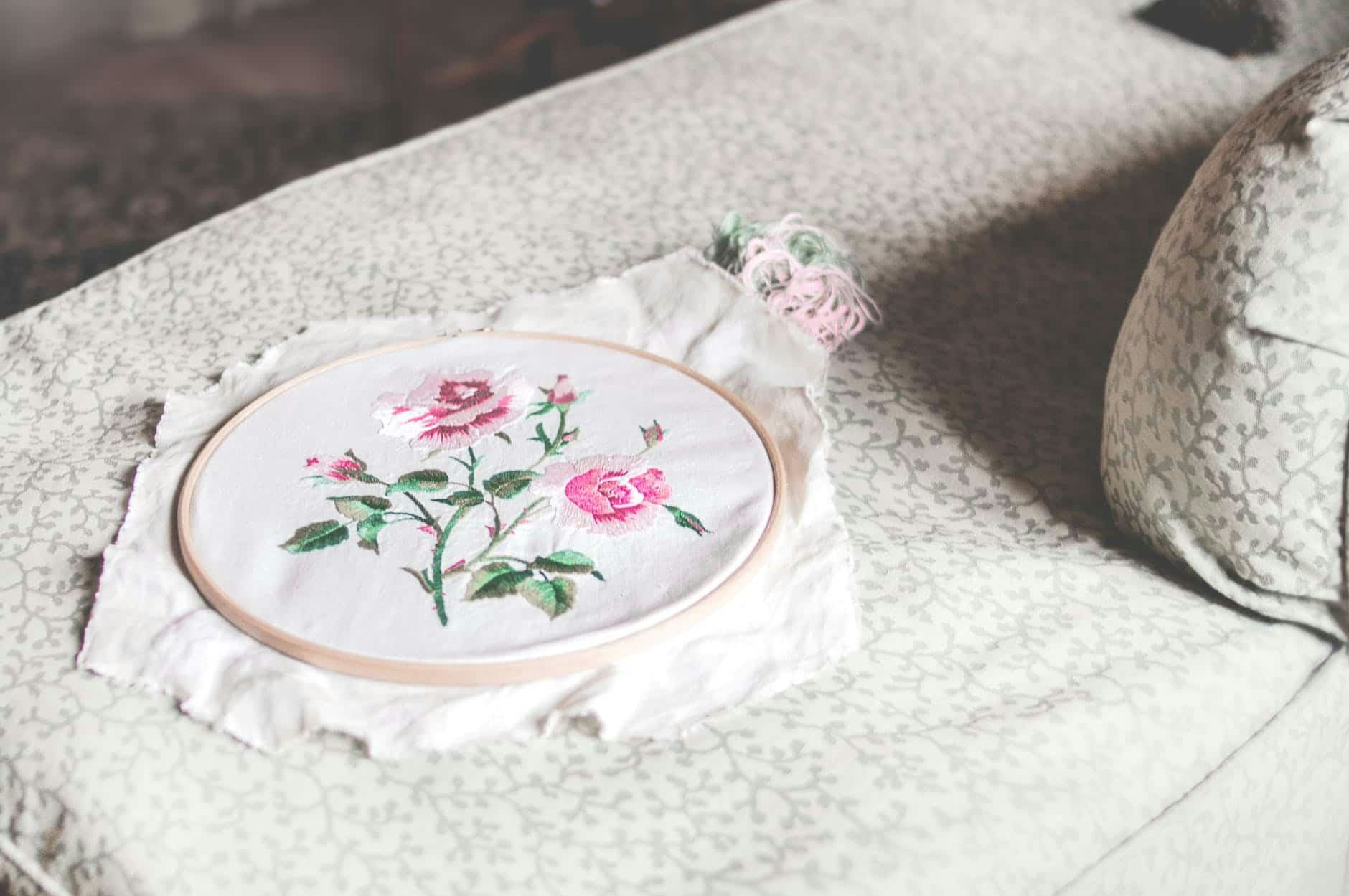
- Spider stitch or rosette stitch. This technique for hand-embroidering flowers is characterized by interlacing the embroidery fabrics and is very easy to do. It works ideally for embroidering roses.
- French knot embroidery. If you’re wondering how to embroider small flowers, this technique is ideal. You can recreate flowers like lilacs or hydrangeas, as they are made up of small knots placed side by side.
- Rococo stitch embroidery. This method of embroidering flowers on fabric will help you achieve a fine and realistic finish. All you have to do is create raised rows.
Source: Pexels
How to embroider a moon?
Another design that is frequently used in the world of embroidery is the moon.
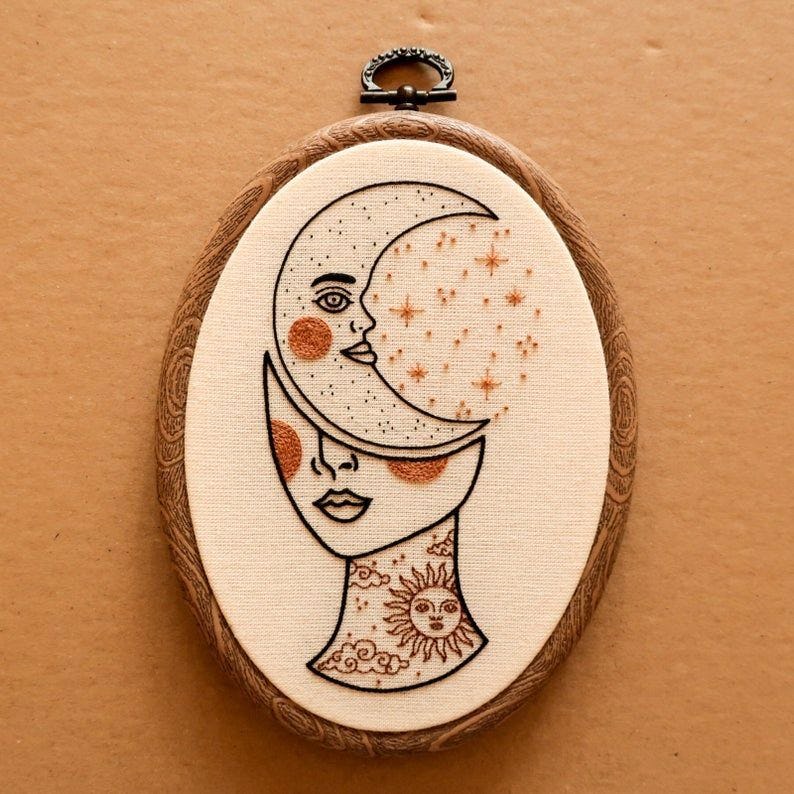
To embroider a moon, you’ll need to follow the same steps as for any of the previous designs. That is, choose your materials and then trace the design onto the fabric. What makes embroidering a moon different from the others is the meticulousness you must maintain around its curved edges.
If you want to keep your design really simple, just sew the entire shape with simple stitches, keeping the needle and thread on top of the fabric. You can also experiment with two thread colors to highlight the moon’s outline and differentiate it from the filling; for example, gray and silver.
But if you want to go a little further, you can try filling the entire inside of the figure with patterns and other embroidered figures.
Source: Pinterest
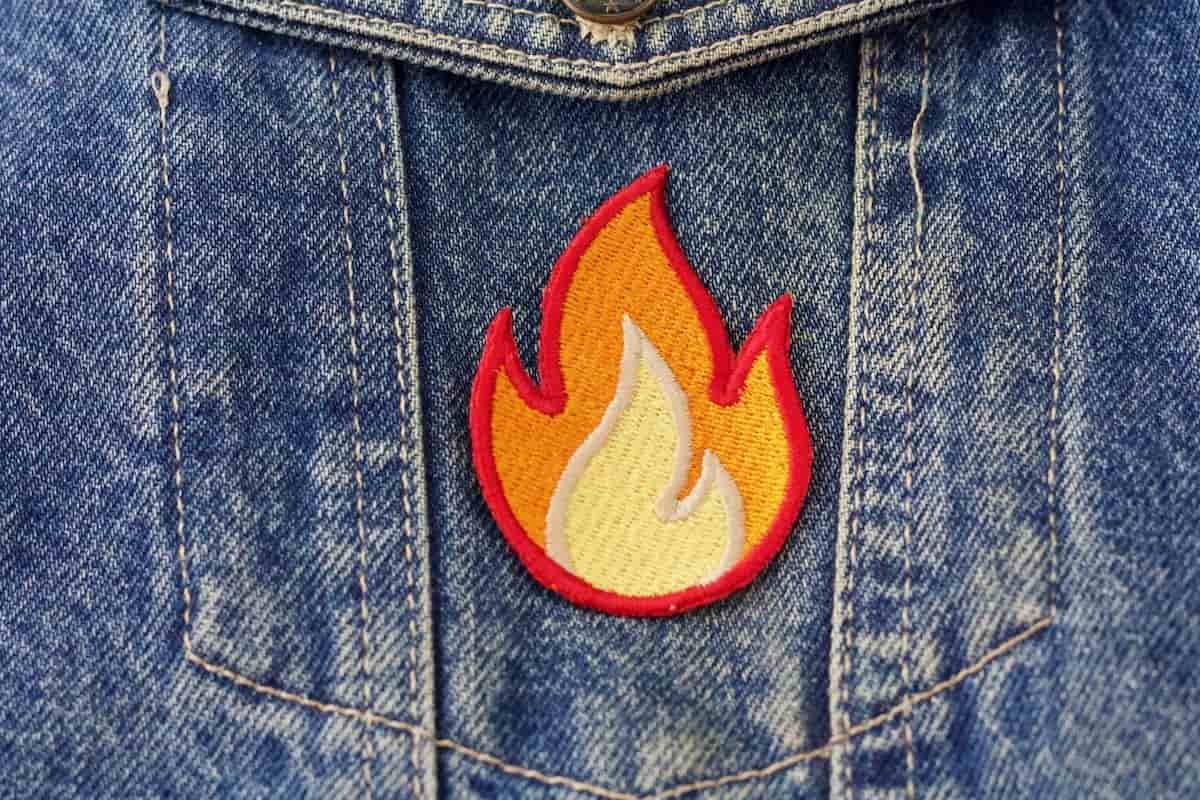
How to embroider fire?
Another popular motif in embroidery is fire. Here’s how you can embroider fire quickly and easily.
- Choose your embroidery surface and the thread color you will use. Yellow, orange, and red tones are generally used.
- Draw the fire with a marker so you don’t forget the shape. You can draw the divisions between the “intensity of the flame” freehand or mark them precisely.
- Use the backstitch to embroider fire in an easy way.
Source: Pinterest
How to embroider bells?
Bells are one of the prettiest designs for embroidery, especially for Christmas. If you want to get a head start on the holiday season, here’s a step-by-step guide to embroidering bells:
You will need to follow the same route as with the rest of the figures, but when embroidering bells, you have to apply the nest stitch.
The nest stitch adds a lot of style to embroidered designs. To achieve this stitch, you have to make a loop with the thread around the needle, wrapping it from the bottom to the top, penetrating the needle with the thread into the chosen surface.
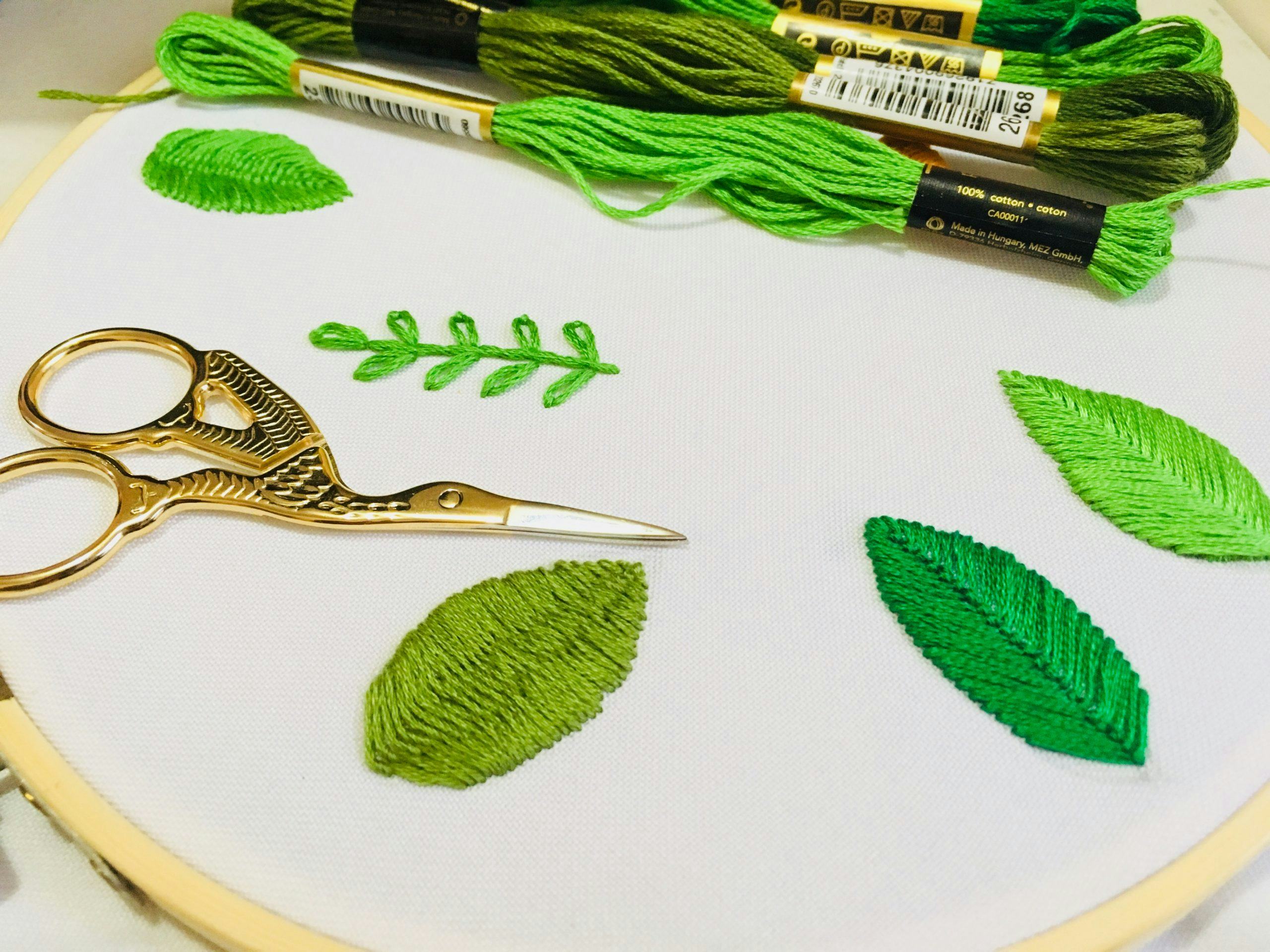
How to embroider leaves?
One of the embroidery designs that every needle and thread enthusiast wants to include in their projects is the leaf design. So if you’re wondering how to embroider leaves, we have something especially for you.
You’re probably wondering what the most basic stitches are for embroidering beautiful leaves and the step-by-step instructions for each one.
Source: bordandoarte.com
Embroidery techniques
Now that you know the basics of hand embroidery, are you wondering how to create embroidery using innovative techniques? The fabric embroidery or hand embroidery you have in mind can turn out even more beautiful than you imagine with the application of the following embroidery techniques.
1. Magic needle embroidery
Have you heard of the magic needle? It’s a needle that basically pierces the fabric you’re working on to embroider your designs. This type of needle has a hole inside where the thread passes through for the embroidery.
What is a magic needle? What distinguishes a magic needle from regular, traditional needles is that instead of inserting and removing the needle each time, you simply make small prickings in the fabric with the magic needle.
Magic needle embroidery is a versatile technique that enhances our productivity and creativity.
2. Sequin embroidery
Sequins are the perfect embellishment for many embroidery projects, right? And you can incorporate them into your designs too. Here’s how to embroider with sequins.
Simply choose the sequins you like best, and you can even add beads to make the designs stand out even more. Thread the sequins through each stitch so they adhere to the fabric, and be sure to leave enough space so they don’t fold over.
3. Freestyle embroidery
You’ve probably heard the term “freestyle,” but have you ever heard it used in the context of embroidery? Basically, it suggests grabbing your materials and letting your imagination run wild.
4. Wall lights
One of the most popular embroidery techniques is appliqué. This involves pre-embroidered designs that can be attached to other fabrics.
You can embroider flowers, moons, flames, bells, leaves, and other shapes to store in your sewing kit. Ideas for where to apply these designs will come to you over time. In the meantime, enjoy the process of embroidering.

Source: Pinterest
You now know the first steps you can take in the world of embroidery because we’ve covered the basics of how to embroider different designs. Dare to create your own designs, made by yourself.
What will your first embroidery project be?