Home remedies to lower cholesterol, such as artichoke, flax seeds, or garlic water, contain fiber, omega-3 fatty acids, and antioxidants that help reduce fat absorption, increase its excretion in feces, or prevent its oxidation, thus regulating cholesterol levels in the blood.
Although these home remedies are recommended for controlling cholesterol, they do not replace the treatment prescribed by a cardiologist and should be part of a healthy, balanced diet.
Cholesterol is a fatty, whitish, odorless substance that is invisible to the naked eye and cannot be tasted when eating food. The main types of cholesterol are HDL (good) cholesterol, which should be above 60 mg/dl; LDL (bad) cholesterol, which should be below 130 mg/dl; and VLDL cholesterol, which should be below 30 mg/dl.
Main home remedies
Some home remedies to help lower cholesterol are:
1. Artichoke
The artichoke is rich in antioxidants, mainly luteolin, which helps prevent the formation of cholesterol and increases the excretion of bile, facilitating the excretion of cholesterol.
In addition, artichoke leaf extract is also a liver protector, due to its action in capturing free radicals that produce cellular oxidation.
How to use: Artichokes can be consumed boiled as a tea or as a supplement. To cook them, bring water to a boil, then reduce to a simmer and add the artichokes. Cook for 30 minutes, or until tender.
For artichoke tea, simply add 1 to 2 grams of artichoke leaves to a cup of boiling water and steep for about 10 minutes. Then strain, let it cool slightly, and drink.
2. Flax or linseed
Because they are rich in fiber and omega-3, flax seeds also help lower cholesterol, as they prevent the oxidation of fat cells and help accelerate intestinal transit.
How to use: Add 1 tablespoon (10g) of flax seeds to soups, salads, yogurt, juices, milk, pancakes, or smoothies. They should be consumed ground in a blender or purchased as flour, as the intestines cannot digest whole flax seeds.
3. Fenugreek
Because it is rich in fiber, fenugreek seeds help reduce the absorption of fats from food, which makes the plant able to regulate levels of “bad” cholesterol.
How to use: Fenugreek can be consumed as a tea or a supplement. To prepare the tea, add 2 teaspoons of fenugreek seeds to 1 cup of cold water and let it steep for about 3 hours. Then, bring the mixture to a boil, strain, and drink while still warm. Drink up to 3 times a day.
4. Garlic water
Garlic helps lower LDL (“bad”) cholesterol and triglyceride levels in the blood by inhibiting their oxidation, thus reducing the risk of heart disease. It also has other beneficial properties, as garlic is anti-inflammatory, antimicrobial, and anti-cancerous.
How to use: To prepare garlic water, place 1 crushed garlic clove in 100 ml of water and let the mixture sit overnight. The next morning, on an empty stomach, remove the garlic and drink the water.
5. Oats
Oats are rich in a specific type of fiber, known as beta-glucan, which lowers blood cholesterol levels and also reduces the risk of serious cardiovascular diseases, such as heart attack or stroke.
How to use: To obtain this benefit, it is recommended to ingest at least 3 tablespoons of rolled oats per day, which can be added to yogurts, cereals, smoothies, juices, or simply consumed as an oatmeal porridge.
6. Brewer’s yeast
The beta-glucans present in brewer’s yeast help reduce cholesterol absorption in the intestines, regulating levels of “bad” LDL cholesterol in the blood. Additionally, its chromium content helps increase levels of “good” HDL cholesterol in the blood.
How to use: To get all the benefits of brewer’s yeast powder, simply consume 1 to 2 tablespoons raw per day, which can be added to juices, smoothies, soup, yogurts, milks and even a glass of water.
7. Turmeric
Turmeric is a spice rich in antioxidants, primarily curcumin, which helps lower LDL “bad” cholesterol, thus preventing the onset of cardiovascular disease.
How to use: In addition to seasoning food, turmeric can also be used to make tea or taken in capsules. To prepare turmeric tea, place 1 teaspoon of powder in 150 ml of boiling water and let the infusion steep for 10 to 15 minutes. Once lukewarm, drink up to 3 cups a day between meals.
8. Dandelion
Dandelion leaves possess antioxidant properties that prevent the damage caused by oxidative stress to cells and lower triglyceride and LDL “bad” cholesterol levels in the blood.
In this way, this medicinal plant helps prevent the development of cardiovascular diseases, such as atherosclerosis, myocardial infarction, or stroke, for example.
How to use: Dandelion can be used to make tea or eaten raw in cooking, salads, or juices, for example. To make the tea, add 1 or 2 teaspoons of dandelion root to 200 ml of boiling water and let it steep for 10 minutes. Strain and drink warm up to 3 times a day.
9. Lemongrass
Lemongrass contains bioactive compounds such as limonene and geraniol, which have antioxidant properties, helping to neutralize free radicals and prevent the oxidation of fat cells. This helps lower levels of LDL (“bad”) cholesterol and triglycerides, preventing heart disease.
How to use: Lemongrass can be used to prepare tea. Simply add 1 teaspoon of chopped lemongrass leaves to 1 cup of boiling water. Cover, let it steep for 10 minutes, strain, and drink warm, 3 to 4 cups a day.
Recipes to lower cholesterol
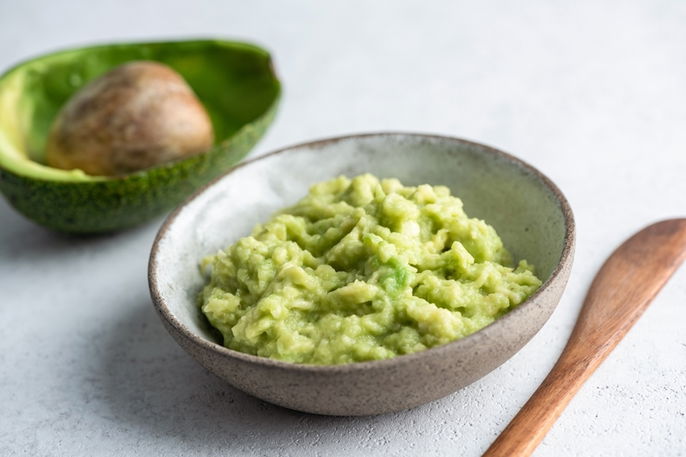
These recipes are excellent strategies for lowering cholesterol, making them great options for healthy and balanced meals. See how to prepare them below:
1. Avocado cream
Avocado cream is rich in healthy fats and antioxidants that help lower bad cholesterol. To prepare this cream, blend one ripe avocado with 100 ml of skim milk and sweeten to taste.
2. Eggplant pancakes with flaxseed
Eggplant has functional properties that help balance cholesterol and triglycerides; in the case of flaxseed, it is rich in omega-3 and omega-6, creating a gum in the stomach that prolongs the feeling of satiety from food, helping in the slimming process.
Ingredients
- 1 cup of whole wheat flour;
- 1 cup of skim milk;
- 1 egg;
- 1/4 cup of olive oil;
- Salt and oregano to taste;
- 1 eggplant;
- 1 shredded chicken breast.
Preparation method
To prepare the dough, blend the milk, flour, and egg, then add the olive oil, salt, and oregano. For the filling, sauté the eggplant with the shredded chicken breast and season to taste.
Another option is to slice the eggplant and bake it with seasonings such as fresh garlic, salt, onion, lemon, and curry.
3. Lettuce salad with carrot and lemon
Lettuce salad with carrot and lemon helps reduce cholesterol because it has a low fat content.
To prepare it, place the chopped lettuce, grated raw carrot, and sliced onion in a container and dress with 1 squeezed lemon and some fresh garlic cloves.
4. Sauteed green soybeans
Mung beans, also called green soybeans, contain isoflavones that help reduce cholesterol, are low in fat, and the quality of soy protein is very similar to that of meat, with the advantage that it does not contain cholesterol, surpassing all other vegetable proteins in quality.
To prepare it, the green soybeans must be cooked in water and, when they are soft, seasoned with soy sauce, vinegar, and ginger powder.
5. Brown rice with carrot
Brown rice with carrots is rich in fiber, which helps eliminate fat molecules through feces. It also contains B vitamins, minerals such as zinc, selenium, copper, and manganese, as well as phytochemicals with antioxidant properties. The outer layer of brown rice contains oryzanol, a substance known to help prevent and manage cardiovascular disease.
To prepare it, you should sauté the brown rice with garlic, onion, and salt, and then add water and grated carrot.
What should the diet be like?
To lower “bad” LDL cholesterol, it is recommended to follow a healthy and balanced diet, including sources of good fats such as olive oil, salmon, tuna, olives, avocados, and nuts like walnuts or almonds, as these are rich in omega-3 fatty acids. In addition, consuming fiber from fruits, vegetables, and whole grains is extremely important, as fiber promotes the excretion of cholesterol through feces.