Eggs don’t have a specific expiration date, but rather a “best before” date of 28 days from the date they are laid. “Consumers can choose to eat them after this period without it necessarily posing a health problem,” explains Laura Meschede, Food Safety and Quality Specialist at ALDI Spain.
To avoid food safety issues, AESAN ( the Spanish Agency for Food Safety and Nutrition) specifies that eggs must be kept clean, dry, away from strong odors and direct sunlight, and protected from impacts. They must also be transported and stored at a constant temperature.
If all of this is true, it’s fine to eat an egg that’s past its expiration date, “although it may have lost nutritional or organoleptic qualities,” Meschede warns.
However, just because an egg is within its expiration date doesn’t always mean it meets all hygiene and sanitation requirements. To avoid the risk of food poisoning, such as the dreaded Salmonella, it’s important to learn how to reliably identify a spoiled egg in your egg container or refrigerator.
Table of Contents
How can you tell if an egg is bad before cooking or cracking it?
Unfortunately, there’s no 100% reliable rule to know if an egg is good, that is, suitable for consumption, “since there are microbiological issues that aren’t visible from the outside or to the naked eye. Even so, if we don’t see any breaks or cracks in the shell and the egg is within its best-before date, it should be of good quality,” the expert adds.
If an egg floats, watch out!
One of the most common home tricks to check if an egg is good just before cooking it is to place it in water. If it sinks, it’s an indicator of freshness and good condition. If, on the other hand, it floats, it’s closer to its best-before date. The Food Safety and Quality Specialist at ALDI Spain adds that “even so, it would still be safe to eat if it doesn’t have any external defects, such as cracks or breaks.”
This immersion test should only be done if you are going to consume the eggs immediately. Soaking eggs that you are not going to eat, whether to check if they are good or to wash them, increases the risk of foodborne illness.
If the shell is dirty, should it be washed before handling it?
Eggs should not be washed before storing them, even if the shell is dirty. “The shell is made of calcium carbonate and has a cuticle that protects the edible part of the egg.
Washing removes this cuticle and could allow microorganisms or dirt to enter the egg, affecting its food safety. However, just before consumption, we can wash the eggshell, as this reduces the chances of contamination,” Meschede points out.
Don’t take risks: at home, keep eggs in the refrigerator
To best preserve an egg’s shelf life, it should be stored in a cool, dry place, avoiding temperature fluctuations that would destroy the egg’s natural protective cuticle.
During periods of high summer temperatures, and if the egg won’t be consumed soon, it can be stored in the refrigerator, provided this storage is just before consumption. “It’s also advisable to crack them into a separate container from the one you’ll use to beat them, to avoid potential contamination,” Meschede points out.
Take note: how to tell if a boiled egg is bad
In addition to the clue of the egg’s buoyancy, we can also look at the optimal color of the yolk and the white. “If, once a cooked egg is opened, the yolk is yellowish and the white is white, it is most likely in optimal condition for consumption.
Often, the yolk may appear to take on a slightly greenish hue, but this doesn’t mean it’s spoiled; it simply means it has been cooked longer than necessary, and the ferrous compounds present in the egg have caused this coloration. In any case, thoroughly cooking the egg will guarantee its safety,” the expert summarizes.
And if we fry it or use it for a cake, what would indicate that it’s not good?
Again, total certainty is impossible. Meschede acknowledges that “there are contaminants that affect the food safety of eggs that are not visible organoleptically.
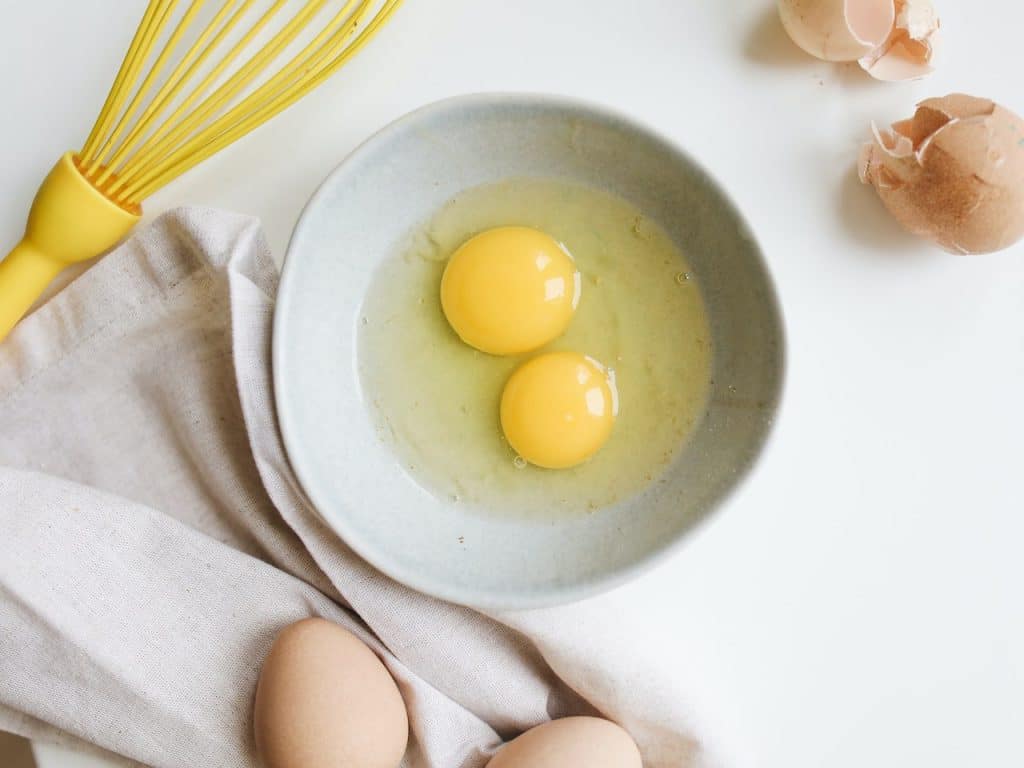
A good clue is the texture of the yolk: if, when you pour the egg into a container, the yolk is firm and not excessively runny, and the white doesn’t spread much, it means it’s fresh.”
How long do cooked eggs last?
Having a couple of hard-boiled eggs in the fridge can solve your dinner dilemma in a flash. However, to safely include them in your meal, it’s important to know how long they can last from cooking to consumption.
“Generally, it’s always best to consume any cooked product as soon as possible. In the case of eggs, this is even more crucial. Even so, well-cooked eggs can last up to 7 days in the refrigerator, provided they are unpeeled and their shells are intact. It’s also advisable to use common sense: if the egg doesn’t smell or look good, it’s best to discard it,” advises the expert.
What risks can dishes made with raw eggs present?
Although the recommendation is always to cook eggs, some preparations require raw eggs. This is the case with mayonnaise, other sauces, and some desserts. “If the eggs haven’t been properly stored and aren’t cooked safely, there can be a risk of Salmonella growth. This microorganism can be present on the eggshell, depending on the hen’s health and the hygienic conditions of the facilities where she is raised,” explains Meschede.
Sometimes, the health and hygiene risk isn’t in the farmyard, but in our own kitchens—for example, if utensils aren’t properly washed, if we use the same tools to handle different raw foods, or if we leave eggs next to raw meat. That’s why it’s so important to avoid cross-contamination when handling food.
Another key to food hygiene is washing your hands before and after handling food or using the toilet, as healthy people can carry Salmonella.
“Salmonella causes salmonellosis, a foodborne illness that can lead to diarrhea, fever, and stomach cramps. It’s crucial to maintain strict hygiene in the kitchen because this bacterium doesn’t cause any noticeable changes in the food’s characteristics. In other words, an omelet can be contaminated with Salmonella and still look, smell, and taste completely normal.
That’s why it’s so important to cook it thoroughly until the eggs are fully set, eat it as soon as possible, and/or refrigerate it once it’s cooled to room temperature,” Meschede advises.
Homemade mayonnaise: consume it as soon as possible
In dishes containing raw eggs, adding vinegar or a little lemon juice adds a different flavor and lowers the pH, reducing the risk of Salmonella infection. “The acidity prevents the pathogen from multiplying,” the expert points out.
If the egg has been handled under proper hygiene conditions, the next step is to refrigerate it. “Keeping the sauce covered after preparation, storing it immediately in the refrigerator when not in use, and only using very clean utensils to remove it from the container are recommendations to avoid food poisoning,” the expert assures.