A snack is a portion of food, often smaller than a regular meal, that is usually eaten between meals. Snacks come in a variety of forms, including packaged snacks and other processed foods, as well as those made with fresh ingredients at home.
Traditionally, snacks are prepared with ingredients commonly available at home. Often used as snacks are cold cuts, fruits, leftovers, nuts, sandwiches, and similar items.
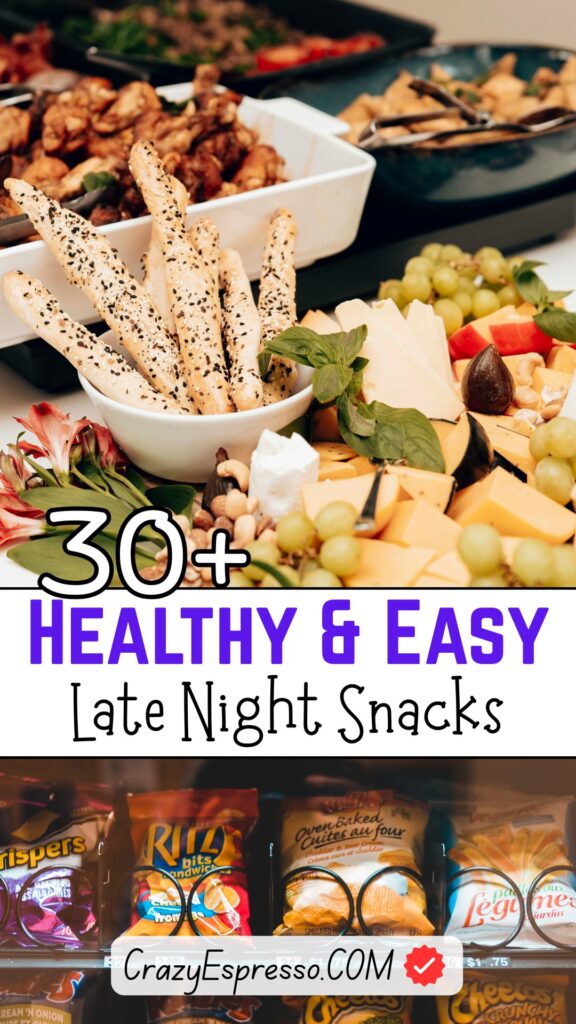
Snacks are generally designed to be portable, filling, and easy to eat. Some varieties contain large amounts of sweeteners, preservatives, appealing ingredients, and specially formulated flavors (such as flavored potato chips).
Drinks, such as coffee, are generally not considered snacks, although they may be consumed along with or instead of snacks.
A snack that is eaten shortly before going to bed or during the night may be called a midnight snack.
Snacks can truly make or break your day. If you go too long between meals, you’ll likely overeat, and if you choose a poor snack, you’ll probably get the same result.
But if you choose the right snack, you’ll create a nutritious bridge from one meal to the next that will control hunger, appetite, fatigue, and even mood.
Health Tips: How to Consume Snacks on a Weight Loss Plan
Healthy, well‑planned snacks can complement your weight loss plan. Here are some healthy and creative ways to satisfy your appetite.
Tegucigalpa, Honduras – Your stomach is growling, but it’s still several hours until lunchtime. You could have a snack, but you think it’s best to grit your teeth and wait until lunch.
If your goal is weight loss, that’s not ideal. In fact, well‑planned weight‑loss diets, such as the Mayo Clinic Diet, allow for healthy snacking to help control hunger and reduce overeating. The key is to eat healthy snacks that satisfy hunger while keeping your overall calorie intake low.
Mayo Clinic experts recommend:
- Choose healthy snacks. Select foods that satisfy hunger, provide energy, and offer important nutrients. Opt for snacks with 100 calories or less to stay within your daily calorie goal.
So, what are some of the most convenient options? Here are several snack suggestions that have 100 calories or less:
- 1 cup of sliced bananas and raspberries (or any fruit)
- 2 cups of baby carrots
- 2 cups of popped popcorn
- 5 thin slices of toasted rye or dark bread
- 2 tablespoons of peanuts
- 2 domino‑sized slices of low‑fat cheddar cheese
Fruits and Vegetables: Snacks to Turn to
Generous portions of fruits or vegetables can easily help you feel full while consuming fewer than 100 calories. Everything below this list has fewer than 100 calories:
- Medium apple: 95 calories
- Small banana: 90 calories
- Two kiwis: 84 calories
- 20 baby carrots: 70 calories
- 20 grapes: 68 calories
- Medium orange: 65 calories
- 20 cherry tomatoes: 61 calories
- Medium peach: 58 calories
- Medium red bell pepper: 37 calories
- 20 pea pods: 28 calories
For comparison, a low‑fat cheese stick has approximately 60 calories, which is well below the 100‑calorie target, but it also contains 4.5 grams of fat.
While protein and fat can help control appetite, a single cheese stick may not be as satisfying as, for example, 20 baby carrots, which weigh almost 10 times as much as the cheese stick, have 70 calories, and less than 1 gram of fat.
Fresh is best, but… While fresh fruits and vegetables are the best snacks to choose between meals, frozen fruits and vegetables are also a good alternative. Additionally, canned fruits packed in their own juice or water (not syrup) are another reasonable option, although the processing does reduce their nutritional value somewhat.
Other Snack Options
Other healthy, low‑calorie snacks can include the following:
- Popcorn. Two cups of popped popcorn have 62 calories and are a good source of nutrients, such as magnesium and potassium.
- Wholemeal toast. Wholemeal toast, such as rye toast, is a good source of fiber and complex carbohydrates. Five slices of rye toast contain approximately 97 calories.
- Hummus. Hummus is a chickpea dip that also contains a small amount of ground sesame seeds and olive oil. It is a good source of protein. Although it contains fat, it is primarily healthy monounsaturated and polyunsaturated fats. Two tablespoons of hummus, which is enough to accompany a low‑calorie vegetable snack, have 50 calories and 2.8 grams of fat.
- Nuts. While nuts may have a bad reputation, some studies show that they generally don’t contribute to high calorie intake or weight gain when eaten in moderation, partly because they make you feel full after eating them. Nuts are also linked to a lower risk of heart disease and overall mortality. A snack of thirteen almonds has 100 calories and 7.8 grams of healthy fats.
Make Snacks Good for You
Healthy snacking requires planning. Here are some tips to help you make healthy snacks:
- Keep your house well‑stocked with fruits and vegetables. Buy a variety so you don’t get tired of the selection.
- Keep a supply of frozen or canned fruit both at home and at work.
- Don’t keep traditional snacks at home, such as sweets or potato chips.
- Eat a small amount of nuts when you feel hungry, because that will help reduce the feeling of hunger.
- Try using seasonings or spices to make fruits and vegetables more appealing.
- Prepare your snacks the night before for the next day. For example, before going to bed, slice a red bell pepper, wash an apple, or prepare a serving of grapes. Place the snack in a sealed container, ready to take with you the next morning.
If you plan ahead to include healthy options, your plan to lose weight or maintain it will be a success.
Here Are Some Tips on Snacks for Travel:
- Mixed nuts: With so many healthy options, a trail mix makes a great snack. It combines healthy fats, like pumpkin seeds, with unsalted, roasted nuts (such as peanuts, almonds, cashews, and walnuts). Finally, add dried fruit and whole grains. Mix all the ingredients together in a large resealable bag, then divide it into snack‑sized bags for portion control.
- Smoothies: There’s no better or more refreshing way to get your nutrients than with a smoothie! Blend healthy ingredients like 0% fat Greek yogurt, frozen fruit, 100% natural juice, and ground flax seeds (for omega fatty acids). Place your smoothie in a lidded travel cup for a quick and satisfying snack that combines several food groups!
- Sandwiches with vegetable butters: This season is a great time to add nuts to your sandwiches, as nut butters don’t require refrigeration. Start by choosing whole‑grain bread or rice cakes and then spread them with your favorite nut butter (such as peanut, almond, or others). Then add slices of banana, apple, raisins, or a little low‑sugar fruit jam.
- Bars: There are so many different nutrition bars available at the supermarket. They make great on‑the‑go snacks and can keep you going between meals, especially on a long trip! Look for bars that are high in protein and provide adequate monounsaturated and polyunsaturated fats. Stay away from those that seem to be mostly sugar or are too high in calories.
- Fruit: A refreshing and quick snack, summer fruits are excellent for giving you a little boost between meals. They add color, vitamins, and important antioxidants to your day. If possible, add a cheese bar or serving of yogurt for a better balance.
- Protein shakes or vitamin/mineral powders: Carry a packet of protein powder mix or a similar product with you and mix it with skim milk while traveling. The result is a drink containing a variety of vitamins, minerals, and protein to add nutritional benefits to your day.
31+ Healthy Late Night Snacks – Table
Below is a table of 31+ healthy late night snacks (low calorie, light, and sleep‑friendly) with #, Snack Name, and Key Ingredients / Description.
| # | Snack Name | Key Ingredients / Description |
|---|---|---|
| 1 | Sliced Banana & Raspberries | 1 cup mixed sliced banana and fresh raspberries (under 100 calories) |
| 2 | Baby Carrots | 2 cups of baby carrots (approx. 70 calories) |
| 3 | Air‑Popped Popcorn | 2 cups popped popcorn (no butter, light salt) – 62 calories |
| 4 | Rye Toast Slices | 5 thin slices of toasted rye or dark bread (approx. 97 calories) |
| 5 | Peanuts | 2 tablespoons of plain peanuts (100 calories) |
| 6 | Low‑Fat Cheddar Cheese | 2 domino‑sized slices of low‑fat cheddar cheese |
| 7 | Medium Apple | One medium apple (95 calories) |
| 8 | Small Banana | One small banana (90 calories) |
| 9 | Two Kiwis | Two kiwis (84 calories total) |
| 10 | 20 Baby Carrots | 20 baby carrots (70 calories) |
| 11 | 20 Grapes | 20 red or green grapes (68 calories) |
| 12 | Medium Orange | One medium orange (65 calories) |
| 13 | 20 Cherry Tomatoes | 20 cherry tomatoes (61 calories) |
| 14 | Medium Peach | One medium peach (58 calories) |
| 15 | Medium Red Bell Pepper | One medium red bell pepper, sliced (37 calories) |
| 16 | 20 Pea Pods | 20 fresh or frozen pea pods (28 calories) |
| 17 | Hummus & Veggie Sticks | 2 tbsp hummus (50 calories) with cucumber or bell pepper sticks |
| 18 | Thirteen Almonds | 13 raw almonds (100 calories, 7.8g healthy fats) |
| 19 | Low‑Fat Cheese Stick | One low‑fat cheese stick (approx. 60 calories) |
| 20 | Greek Yogurt (Small) | ½ cup nonfat plain Greek yogurt (approx. 65 calories) with cinnamon |
| 21 | Cottage Cheese & Peach | ¼ cup low‑fat cottage cheese with sliced peach |
| 22 | Hard‑Boiled Egg | One hard‑boiled egg (78 calories) with a pinch of salt |
| 23 | Celery Sticks with Peanut Butter | 2 celery stalks with 1 tsp natural peanut butter |
| 24 | Frozen Grapes | 1 cup frozen red grapes (approx. 65 calories) |
| 25 | Rice Cake with Avocado | 1 brown rice cake topped with 1 tbsp mashed avocado and black pepper |
| 26 | Warm Almond Milk | 1 cup unsweetened warm almond milk with a dash of cinnamon (30–40 calories) |
| 27 | Sliced Cucumber with Lemon | 1 cup cucumber slices squeezed with fresh lemon juice and dill |
| 28 | Small Baked Apple | 1 small apple baked with cinnamon (no sugar) – approx. 80 calories |
| 29 | Cottage Cheese & Berries | ¼ cup low‑fat cottage cheese with ¼ cup mixed berries |
| 30 | Turkey Roll‑Ups | 2 thin slices of lean turkey breast rolled with arugula and mustard |
| 31 | Chia Seed Pudding (Mini) | 1 tbsp chia seeds soaked in ¼ cup unsweetened almond milk, topped with 5 raspberries |
| 32 | Herbal Tea with Rice Cake | 1 cup chamomile tea + 1 plain rice cake (35 calories) |
| 33 | Cherry Tomatoes with Feta | 10 cherry tomatoes with 1 tbsp crumbled low‑fat feta cheese |
| 34 | Frozen Yogurt Bark (Small) | 2 tbsp Greek yogurt mixed with 5 blueberries, spread thin and frozen, broken into pieces |
| 35 | Steamed Edamame | ½ cup steamed edamame in pods (lightly salted) – approx. 95 calories |