Choosing low-carb diets is one of the most common strategies for those looking to lose weight. While this macronutrient is essential for optimal bodily function, excessive consumption is linked to overweight, obesity, and other metabolic disorders.
The good news is that, with proper planning, a low-carb diet poses no health risks. On the contrary, it’s a way to limit calorie intake and improve body composition.
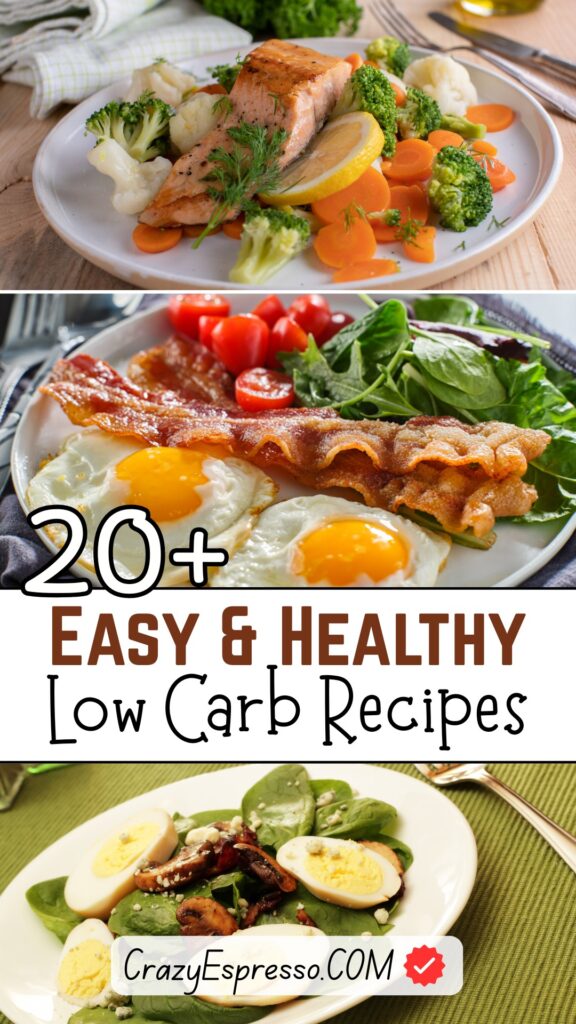
It’s important to keep in mind that there’s no single diet for weight loss and a healthy lifestyle. The menus we recommend here are merely examples of how to minimize carbohydrate intake. Even so, if your goal is weight loss or managing a health condition, it’s best to consult a nutritionist for a personalized plan.
What Does It Mean to Follow a Low-Carb Diet?
A low-carb diet is one in which the consumption of foods like pasta, bread, cereals, and sugary products is reduced. Instead, more priority is given to sources of protein and healthy fats.
As such, there is no single established definition for this type of diet; there are several models, which may contain more protein or more fat. This depends on the goals.
However, one of the most widely accepted concepts—as explained in the journal Nutrients—is that these are diets that provide less than 20% of calories from carbohydrates in a 2,000-calorie-a-day diet. That is, less than 100 grams of this macronutrient.
There are also very low-carb programs, in which carbohydrates make up only 10%. Such is the case with the ketogenic diet, which typically contains 50 grams or less of carbohydrates in a 2000-calorie-a-day diet.
What Should You Know About Carbohydrates?
First and foremost, it’s important to clarify that carbohydrates—along with fats and proteins—are essential macronutrients for everyone’s diet. Their main function is to act as a source of energy, but they also play a role in the metabolism of glucose and insulin in the blood, as well as in controlling the lipid profile and in fermentation processes.
The most recommended sources are ‘complex’ carbohydrates, which include unprocessed whole grains, fruits, vegetables, and legumes. ‘Simple’ carbohydrates should be consumed in moderation, as they are less nutritious and can raise blood glucose levels. These include white bread, pastries, pasta, and other processed foods.
Although the idea that carbohydrates triggered overweight and obesity was widespread for a long time, this has now been disproven. Therefore, instead of proposing their elimination from the diet, the emphasis is on choosing healthy carbohydrates over those with poor or no nutritional value.
It is also recommended to moderate your daily intake, since in excess —like proteins and fats— they tend to contribute to both weight gain and the tendency to suffer from other health disorders.
That said, when should I choose low-carb menus? As we mentioned at the beginning, these eating plans are often chosen as a weight-loss strategy. They can be helpful in cases of overweight, obesity, and associated complications (such as type 2 diabetes or high cholesterol).
In any case, it’s advisable to consult a professional, especially if there are pre-existing medical conditions. It’s important to remember that these types of diets aren’t suitable for everyone. Since they restrict fiber intake and involve consuming more fat and protein, they can be harmful to some patients.
The Mayo Clinic details that a sudden reduction in carbohydrates can trigger the following side effects:
- Constipation
- Headache
- Muscle cramps
Furthermore, if it is maintained long‑term, it is possible to experience nutritional deficiencies and digestive difficulties.
Currently, there are several low-carb diet models. Most propose eliminating or severely restricting simple carbohydrates and opting for complex carbohydrates. The recommended proportion is 20% of total daily calories. However, this can vary from one program to another.
Low-carb Menus: Allowed and Forbidden Foods
Low-carb menus should be prepared using minimally processed foods. Lean meats, non-starchy vegetables, and dairy products top the list. Of course, there are other recommended options.
Allowed foods
- Fatty fish, such as salmon, trout, and tuna.
- Beef, lamb, chicken or pork.
- Eggs.
- Vegetables such as spinach, broccoli, cauliflower, asparagus, and tomatoes.
- Red fruits, such as strawberries, blackberries, raspberries and blueberries.
- Citrus fruits, such as lemon, orange, and mandarin.
- Dairy products such as cheese, cream, Greek yogurt, and butter.
- Oils such as olive, avocado or coconut oil.
- Dried fruits such as almonds and walnuts.
- Seeds such as chia seeds, flax seeds, and sunflower seeds.
In moderation, other foods such as sweet potatoes, yams, corn, and potatoes can be included. Brown rice, oats, and quinoa are sources of complex carbohydrates that can also be incorporated into these diets. The same applies to legumes like lentils and beans.
As for drinks, water should be prioritized, but herbal teas and coffee are also acceptable.
The most important thing when including these carbohydrate foods is to respect the suggested proportion in the total daily calories (20% is the standard, but it can be a little more).
Forbidden Foods
Foods that are not recommended as part of a low-carb diet are those with a high sugar content or that have been ultra-processed. Their consumption should be occasional and in very small portions. However, if possible, it’s best to avoid them altogether.
- Sugary products, such as ice cream, sweets, industrial pastries, among others.
- Refined products such as white rice, white pasta, wheat flour and their derivatives.
- Low-fat dairy products.
- Fast food, such as hamburgers, french fries, hot dogs, breaded chicken, among others.
- Drinks such as juices, energy drinks, sodas, sweet teas or sports drinks.
- Packaged chips.
7-Day Low-Carb Meal Plan (Example)
Below is a sample 7-day low-carb meal plan based on the allowed foods described above. It includes breakfast, lunch, dinner, and an optional snack. Adjust portions to your calorie needs.
| Day | Breakfast | Lunch | Dinner | Snack (optional) |
|---|---|---|---|---|
| Monday | Cloud bread with cream cheese and smoked salmon | Grilled chicken breast with cauliflower fritters and a side of spinach | Baked salmon fillet with garlic mayonnaise crust and steamed broccoli | Handful of almonds |
| Tuesday | Keto waffles (chaffles) with sugar-free syrup | Curried turkey salad (with full-fat yogurt) over mixed greens | Grilled mackerel with roasted asparagus and a drizzle of olive oil | Celery sticks with peanut butter |
| Wednesday | Scrambled eggs cooked in butter with avocado slices | Tuna burgers (no bun) served with a side of zucchini noodles | Baked sardines with parsley and lemon, plus cauliflower rice | 2 tablespoons of pumpkin seeds |
| Thursday | Greek yogurt (full-fat) with a handful of raspberries and walnuts | Keto chicken and avocado salad wrapped in lettuce leaves | Cod with olive butter and sautéed green beans | Black olive tapenade on cucumber slices |
| Friday | Microwave fried almonds with coffee (add heavy cream) | Egg white wrap filled with black beans (small amount), corn, and avocado | Greek-style baked mackerel with olives and a side of roasted zucchini | Keto mini muffins (blueberry optional) |
| Saturday | Fluffy omelet with mushrooms and cheese | Leftover curried turkey or chicken salad over spinach | Grilled ribeye steak with roasted cauliflower and garlic herb butter | Curried nuts (homemade) |
| Sunday | Cloud eggs with turkey bacon | Bonito in oil (canned) mixed with arugula, cherry tomatoes, and a hard-boiled egg | Baked salmon with nut crust (no zucchini) and steamed asparagus | Chia pudding (made with coconut milk and a few blackberries) |
Appetizers, Breakfasts, Afternoon Snacks and Snacks
These recipes can be adapted to practically any time of day, depending on our needs. We can enjoy them for breakfast or as a snack, mid-morning, as a complement to main meals, or between meals.
- Cloud bread. With just three ingredients —eggs, cream cheese, and baking soda—it provides good protein and healthy fats without using any flour. Enjoy it plain, as a side dish, or fill it with protein.
- Keto waffles. The batter for these chaffles is made with egg, cheese, and a pinch of ground nuts. Adding spices will give them more flavor.
- Curried nuts. With your favorite combination of nuts and spices, you’ll have a delicious snack that’s perfect to keep on hand in the pantry.
- Microwave fried almonds. They’re not actually fried; they’re cooked directly in the microwave with olive oil and turn out really delicious, crispy, and flavorful, with minimal effort.
- Roasted pumpkin seeds. Rich in fats, vitamins and minerals, we can make them at home using the seeds from the pumpkins we buy, so as not to waste anything.
- Cloud eggs. Served with bacon, the secret of these eggs is to cook the whites and yolks separately, to play with the textures.
- Keto mini muffins. In mini format, they’re an energy-boosting snack to have on hand whenever you need it, easy to store and transport. You can easily leave out the blueberries to further reduce the carbs, and add some extra seeds or chopped nuts.
- Keto garlic bread. Very energizing and easy to prepare, we can enhance the garlic flavor according to our taste or tolerance.
- Low-carb rolls. Rich in protein and healthy fats, they can be enjoyed on their own or used as a base for fillings such as cheese, salmon, egg, avocado…
- Black olive tapenade. A delicious spreadable cream, perfect for snacking or seasoning meats and fish, rich in umami and good quality fats.
Main Meals
Depending on the day and our needs, we’ll require more or less energy-dense dishes for our main meals.
These should be planned in conjunction with the rest of our diet to ensure we’re getting all the necessary nutrients, paying particular attention to vitamins and fiber.
Grilled or baked meat is obviously the easiest option, but we have many more ideas to add variety to lunches and dinners at home.
- Egg white wrap or roll. The recipe calls for a filling of black beans, corn, and avocado, but you can use the same roll preparation method to add ingredients that better suit your ketosis.
- Cauliflower fritters. Cauliflower is a vegetable that’s often included in the keto diet due to its high water and fiber content, and very low carbohydrates. In this recipe, it’s combined with eggs and herbs to make savory fritters that are both filling and versatile.
- Fluffy omelet. With an irresistible texture, the touch of butter increases the dish’s fat and nutrient content, making it more filling. We can increase the number of eggs per serving to make it a much more complete meal, without needing side dishes.
- Scrambled eggs in water. A surprising yet effective and quick technique for cooking easy and fluffy scrambled eggs.
- Chicken burger. Served, obviously, without the vegetables, we can also substitute the tomato paste with mayonnaise and use cream cheese instead of yogurt.
- Curried turkey. Whether served hot, in a salad, or used as a stuffing, the combination of poultry with cheese and spices is a great addition to our keto diet. It’s important to be mindful of the carbohydrates in the yogurt and evaporated milk; you can omit the evaporated milk and use full-fat cream instead.
- Keto chicken and avocado salad. Rich in protein and good quality fats, it can be prepared with leftover roast chicken for a better flavor.
- Bonito in oil. When this delicious fish is in season, it’s worth making your own preserves in olive oil. A must-have for enjoying good food in summer, served chilled from the refrigerator.
- Baked salmon with nuts. We can omit the zucchini and simply prepare the fish with its nut coating, which, in addition to adding healthy fats and other essential nutrients, creates a very tasty crunchy crust.
- Baked salmon fillet with a garlic mayonnaise crust. Another great recipe, even simpler, in case nuts aren’t your thing. Mayonnaise goes wonderfully with fish and will delight even the biggest garlic lovers.
- Baked sardines with parsley. A very healthy, seasonal, and economical fish, easy to cook without odors in the oven thanks to the touch of lemon and parsley, which also contribute their aroma and help to keep it juicy.
- Tuna burgers. We can make them with frozen fish and flavor them to taste.
- Grilled mackerel. Another very economical oily fish that turns out great when cooked on a griddle, in clean fillets, letting the skin cook first to become very crispy.
- Greek-style baked mackerel. Another way to enjoy this oily fish is by baking it in the oven, with a recipe where you can either omit the onion or simply add it for flavor and juiciness. Olives enrich the dish by adding more healthy fats.
- Cod with olive butter. Cod is a fish available year-round in convenient frozen formats, and this recipe is an explosion of flavor, a great way to break up the habit of eating it the same old way.
Sweets and Desserts
Sugar, in all its forms (white, brown, panela, whole cane sugar, honey, syrups, etc.), is prohibited on the keto diet. It goes without saying that sweets should be limited in any healthy diet, especially one focused on weight loss, but that doesn’t mean we can’t indulge in the occasional treat.
While sweeteners shouldn’t be a regular part of your diet, you can use them occasionally. The most suitable keto desserts are creamy, using a versatile ingredient like avocado, which pairs beautifully with dark chocolate. Full-fat coconut milk, as well as high-fat dairy products like mascarpone, cream cheese, or heavy cream, are also good options.
- Keto chocolate microwave muffins. With peanut butter, pure cocoa, and avocado, they’ll delight lovers of rich chocolate. They can also be baked in the oven, and the sweetness can be adjusted with a suitable sweetener.
- Avocado truffles. A sweet and energizing treat, ideal for using up the ripest avocados in the pantry.
- Chia, coconut, and nut pudding. By omitting the dates, honey, raisins, and desiccated coconut, and replacing the yogurt with natural cream cheese, we have a high-fat dessert that combines various textures.
- Chia, coffee, and chocolate pudding. It’s the same idea: sticking only with ingredients suitable for the keto diet, such as chia seeds, natural coffee, high-quality, sugar-free chocolate, and nuts.
- Creamy chocolate and avocado spread. It’s as simple as blending the avocado pulp with cocoa powder, your favorite flavorings (vanilla, cinnamon, etc.), and adding a touch of liquid sweetener for just the right amount of sweetness. For extra creaminess, you can add 100% natural almond milk or nut butter.
- Chocolate and almond nougat. We call it nougat at Christmas, but this chocolatey version of the classic dessert can be enjoyed as a “chocolate bar” the rest of the year without anyone batting an eye. Good quality, high-purity, sugar-free chocolate, almonds or any other roasted nuts, and a little oil—that’s all you need for a delicious and indulgent treat.
- Vegan keto chocolate mousse. With only three ingredients and suitable for vegans, this delicious dessert is prepared with coconut milk and your preferred sweetener for a touch of sweetness.