Menopause is defined as the permanent cessation of menstruation in women after a minimum of 12 consecutive months, without any pathological cause, and resulting from the loss of ovarian follicular activity.
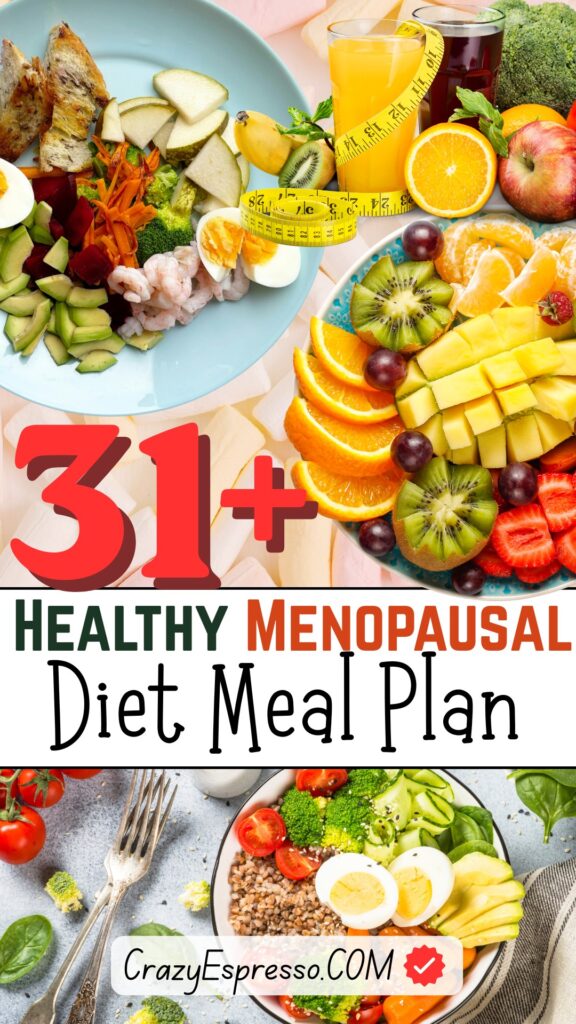
It usually occurs naturally between the ages of 45 and 55, and while in some cases it can be sudden and without any symptoms, in others it appears as a series of gradual changes.
Table of Contents
What Does the “Menopause” Mean?
During menopause, the levels of some female hormones, such as estrogen and progesterone, decrease, while the levels of others, such as LH and FSH, increase.
This change has physiological, physical, and/or psychological effects that can impact a woman’s daily life and/or overall health.
Symptoms can vary from woman to woman and may appear to a greater or lesser degree. Some of the most common symptoms are:
- Irregular periods followed by their cessation.
- Hot flashes or a sudden feeling of heat in the face, neck, and/or chest.
- Night sweats and/or sleep disturbances.
- Vaginal dryness.
- Pain during sexual intercourse.
- Emotional and/or physical changes.
- Facial hair growth, dry skin, and changes in hair and nails.
- Memory problems and difficulty concentrating.
Besides these easily noticeable changes, the hormonal shifts of menopause can have other, less visible but nonetheless significant health effects, such as bone loss and potential osteoporosis, or an increased risk of cardiovascular disease.
It’s important to understand what happens during this stage of life and what we can do to prevent, alleviate, and/or treat these potential symptoms.
Weekly Menu Plan
The following menu is an example of how to organize meals throughout the week:
| Day | Breakfast | Lunch | Dinner |
|---|---|---|---|
| MONDAY | Coffee with plant‑based milk fortified with calcium and vitamin D. Whole‑wheat toast with fresh cheese and tomato. | Lamb’s lettuce salad with cucumber, carrot, tomato, whole‑grain basmati rice, and cooked prawns. 1 piece of fruit. | Cream of asparagus soup + Chicken burger with peppers + Herbal tea. |
| TUESDAY | Coffee with plant‑based milk fortified with calcium and vitamin D. Plain yogurt with walnuts and banana. | Green asparagus. Grilled salmon with roasted potato. 1 piece of fruit. | Vegetable stew + Grilled sardines with lemon + Relaxing herbal tea. |
| WEDNESDAY | Coffee with plant‑based milk fortified with calcium and vitamin D. | Sautéed mushrooms with quinoa. Turkey breast with lemon. 1 piece of fruit. | Cream of zucchini soup (without cream or cheese) + Hake in a light green sauce + Relaxing herbal tea. |
| THURSDAY | Coffee with plant‑based milk fortified with calcium and vitamin D. Whole‑wheat toast with avocado and tomato. | Chickpea and spinach stew. Baked cod. 1 piece of fruit. | Pumpkin cream (no cream) + Grilled chicken breast with roasted peppers + Herbal tea. |
| FRIDAY | Coffee with plant‑based milk fortified with calcium and vitamin D. Plain yogurt with ground flaxseed and berries. | Quinoa salad with cucumber, bell pepper, feta cheese, and olives. 1 piece of fruit. | Sautéed green beans + Turkey meatballs (baked) + Relaxing herbal tea. |
| SATURDAY | Coffee with plant‑based milk fortified with calcium and vitamin D. Oatmeal with banana and chia seeds. | Brown rice bowl with grilled vegetables (zucchini, eggplant, bell pepper) and tofu. 1 piece of fruit. | Cream of broccoli soup + Baked salmon with lemon + Herbal tea. |
| SUNDAY | Coffee with plant‑based milk fortified with calcium and vitamin D. Two scrambled eggs with spinach and tomato. | Lentil salad with roasted red pepper, cucumber, and olive oil. 1 piece of fruit. | Grilled turkey skewers with roasted sweet potato + Relaxing herbal tea. |
Other Considerations?
From a dietary perspective, we can consider some aspects that will help us improve our health and well‑being after menopause.
These nutritional recommendations are aimed at addressing the symptoms mentioned above, but it is also worth noting that establishing good eating, exercise, and health habits before menopause will help us from the start and can prevent some of these symptoms from appearing.
Therefore, it is important to eat healthily on a regular basis and strive for a healthy lifestyle.
Here’s the List of a “31+ Healthy Menopausal Diet Meal Plan.”
Here is a numbered list of 31+ recipe names (only names) suitable for a healthy menopausal diet, focusing on calcium, vitamin D, fiber, and heart‑healthy fats.
- Cream of Asparagus Soup
- Chicken Burger with Peppers
- Vegetable Stew
- Grilled Sardines with Lemon
- Cream of Zucchini Soup (No Cream, No Cheese)
- Hake in Light Green Sauce
- Pumpkin Cream (No Cream)
- Grilled Chicken Breast with Roasted Peppers
- Sautéed Green Beans
- Turkey Meatballs (Baked)
- Cream of Broccoli Soup
- Baked Salmon with Lemon
- Lentil Salad with Roasted Red Pepper
- Grilled Turkey Skewers with Roasted Sweet Potato
- Lamb’s Lettuce Salad with Cucumber, Carrot, Tomato, Rice, and Prawns
- Grilled Salmon with Roasted Potato
- Sautéed Mushrooms with Quinoa
- Turkey Breast with Lemon
- Chickpea and Spinach Stew
- Baked Cod
- Quinoa Salad with Cucumber, Bell Pepper, Feta, and Olives
- Brown Rice Bowl with Grilled Vegetables and Tofu
- Oatmeal with Banana and Chia Seeds
- Two Scrambled Eggs with Spinach and Tomato
- Whole‑Wheat Toast with Fresh Cheese and Tomato
- Plain Yogurt with Walnuts and Banana
- Plain Yogurt with Ground Flaxseed and Berries
- Whole‑Wheat Toast with Avocado and Tomato
- Calcium‑Fortified Plant Milk Coffee
- Herb Tea Blend (Relaxing)
- Baked Whitebait (Small Oily Fish)
- Tofu Scramble with Turmeric and Broccoli
Conclusion
After menopause, due to the hormonal changes that occur, there is a greater loss of bone mass, and it is important to ensure sufficient calcium intake and maintain optimal vitamin D levels to prevent possible osteoporosis. To prevent it, we must:
- Increase the consumption of foods rich in calcium: dairy products (yogurt, cow’s, goat’s or sheep’s milk, cheeses, etc.), legumes (white beans, pinto beans, chickpeas), whole grains (rice, pasta, potato…), nuts and seeds (almonds, Brazil nuts, hazelnuts, sesame, chia, tahini sauce…), vegetables (broccoli, cabbage, cauliflower and other cruciferous vegetables), small oily fish with bones (sardines, anchovies, whitebait…) and plant products enriched with calcium (tofu curdled with calcium salts, breakfast cereals, soy milk, oats…). Some spices and aromatic herbs are also sources of calcium and can help increase your intake: basil, thyme, oregano, cinnamon, etc.
- Pair calcium‑rich foods with a source of vitamin C to boost absorption: citrus fruits like oranges, tangerines, kiwis, red and green bell peppers, tomatoes, parsley, vinegar, limes, or lemons.
- To increase your vitamin D levels, eat fatty foods such as oily fish, nuts, eggs, and fortified milk, plant‑based drinks, or cereals. Additionally, get 10 to 15 minutes of sun exposure daily without sunscreen, leaving your face, neck, chest, forearms, and legs uncovered, and avoiding peak sun hours (12‑4 pm).
- Whenever possible, engage in high‑impact physical activity (walking, jumping, running, dancing, etc.) to promote calcium absorption in your bones. Remember the importance of staying active every day.