Here you have a menu with recipes for women in menopause, designed to support hormonal, bone and cardiovascular health, in addition to controlling weight and improving energy.
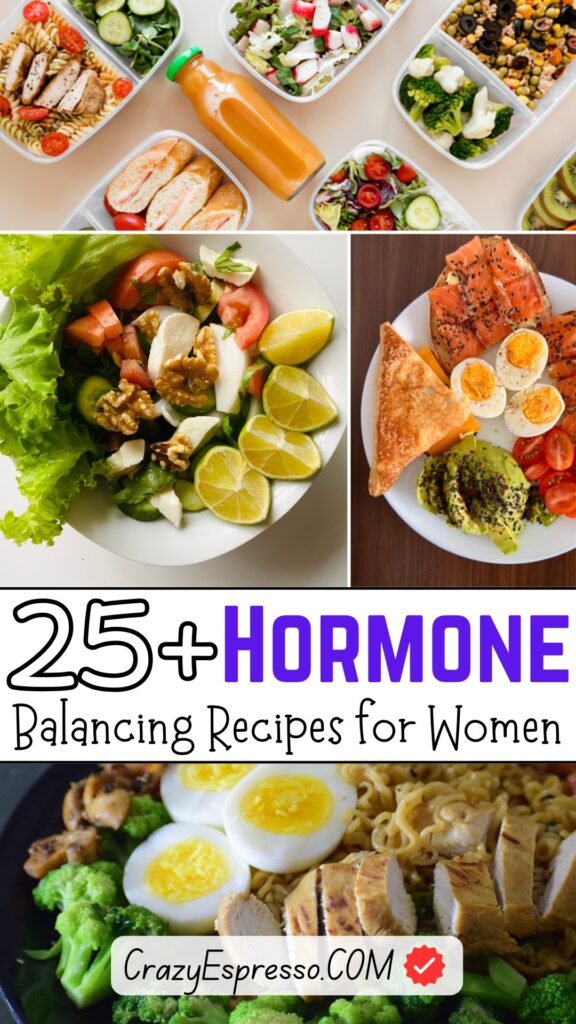
Keys to Nutrition in Menopause
- Quality proteins to maintain muscle mass.
- Healthy fats (avocado, olive oil, nuts, omega-3).
- Calcium and vitamin D to prevent osteoporosis.
- Fiber to improve digestion and regulate glucose.
- Anti-inflammatory foods (turmeric, ginger, green leafy vegetables).
Menu with recipes for athletic women in menopause
This menu balances proteins, healthy fats, fiber, calcium and antioxidants to support the health of women in menopause.
Here’s The Hormone Balancing Recipes for Women (Breakfast, Lunch & Dinner)
1) Breakfast: Oat porridge with seeds and red fruits
This breakfast recharges energy for the whole day, and can be taken after a fasted workout. It helps regulate blood sugar, improve digestion and provides vitamins and antioxidant minerals.
Ingredients:
- ½ cup of oat flakes
- 1 cup of cow’s milk, or almond or soy milk (source of protein and calcium)
- 1 tablespoon of chia or flax seeds previously hydrated in water for 3-4 hours (source of omega-3 and fiber)
- 1 handful of red fruits: blueberries, raspberries, strawberries (fiber, vitamins and antioxidants)
- 1 teaspoon of cinnamon
- 1 teaspoon of honey
Preparation:
- Heat the milk and add the oats, stirring until thickened.
- Add the hydrated seeds, cinnamon and honey.
- Serve with red fruits on top.
2) Lunch: Baked salmon with quinoa and asparagus
Provides high-quality protein, healthy carbohydrates, omega-3 fatty acids for cardiovascular and brain health, fiber and antioxidants.
Ingredients:
- 1 salmon fillet (120 g)
- ½ cup of cooked quinoa
- 6 asparagus
- 1 tablespoon of extra virgin olive oil
- ½ lemon (juice)
- Spices to taste (garlic powder, pepper, turmeric)
Preparation:
- Place the salmon on a tray, add spices and lemon juice.
- Bake at 180°C for 15-20 min.
- Cook the quinoa and sauté the asparagus with a little olive oil.
- Serve everything together and enjoy.
3) Dinner: Chickpea salad with avocado and spinach
During menopause, dinner is crucial to get quality sleep. You should not go to bed without eating, you should organize your schedule to have dinner early, at least 3-4 hours before going to sleep, so that there is time to digest the food well, and you can sleep without hunger.
This salad provides vegetable proteins, healthy fats and fiber for digestion and hormonal balance.
Take care of fluid intake after dinner to avoid waking up with the need to urinate at night.
Ingredients:
- ½ cup of cooked chickpeas
- ½ avocado in cubes
- 1 cup of fresh spinach
- 6 cherry tomatoes
- 1 tablespoon of extra virgin olive oil
- 1 teaspoon of apple cider vinegar or lemon
- Spices to taste (oregano, pepper)
Preparation:
Mix all the ingredients in a bowl. Dress with olive oil and apple cider vinegar.
EXTRA BONUS: Relaxing Night Infusion (Chamomile and Turmeric)
Reduces inflammation, improves rest and regulates metabolism. It is an anti-inflammatory and calming infusion that will help you reduce joint and muscle pain after training. It has a slightly diuretic effect, so you should drink it at least 1 hour before sleeping so you don’t wake up needing to go to the bathroom.
Ingredients:
- 1 cup of hot water
- 1 bag of chamomile
- ½ teaspoon of turmeric powder
- 1 slice of fresh ginger
Preparation: Boil the water and add the ingredients. Let it steep for 5 minutes and drink before sleeping.
Here’s The List of 25+ Hormone Balancing Recipes for Women:
Here are 25+ hormone balancing recipes for women, focusing on whole foods, healthy fats, fiber, and blood sugar stability (supporting estrogen metabolism, thyroid function, and stress response):
1. Ground Flaxseed and Berry Smoothie (lignans for estrogen balance)
2. Salmon and Roasted Brussels Sprouts with Lemon (omega-3s and cruciferous veg)
3. Kale and Quinoa Salad with Avocado and Pumpkin Seeds
4. Broccoli and Tofu Stir-Fry (steamed broccoli for sulforaphane)
5. Chickpea and Spinach Coconut Curry (healthy fats and fiber)
6. Baked Sweet Potato with Almond Butter and Cinnamon (blood sugar support)
7. Turmeric Ginger Lentil Soup (anti-inflammatory)
8. Egg Scramble with Mushrooms and Spinach (vitamin D and B vitamins)
9. Overnight Oats with Chia Seeds and Raspberries
10. Grilled Chicken with Roasted Cauliflower and Tahini Drizzle
11. Sardine and Avocado Toast on Whole Grain Bread
12. Black Bean and Sweet Potato Bowl with Cilantro Lime Dressing
13. Coconut Milk Matcha Latte (adaptogen support)
14. Roasted Chickpeas and Kale Chips (snack for blood sugar balance)
15. Zucchini Noodles with Pesto (basil, walnuts, olive oil) and Cherry Tomatoes
16. Turkey and Lentil Stuffed Bell Peppers
17. Dark Chocolate and Sea Salt Almond Butter Cups (magnesium-rich)
18. Warm Cinnamon Apple Crumble (no refined sugar, oat topping)
19. Beet and Walnut Salad with Goat Cheese and Balsamic (beets for liver support)
20. Pumpkin Seed Crusted Cod with Asparagus
21. Cinnamon Turmeric Golden Milk Latte (evening relaxant)
22. Chia Seed Pudding with Macadamia Nuts and Blueberries
23. Roasted Root Vegetables (carrots, parsnips, beets) with Rosemary
24. Eggplant and Chickpea Tomato Stew (Mediterranean style)
25. Apple Cider Vinegar Salad Dressing (supports insulin sensitivity)
26. Baked Cinnamon Pears with Coconut Yogurt
27. Wild Rice and Mushroom Pilaf (fiber and B vitamins)
28. Simple Guacamole with Red Bell Pepper Slices (healthy fat snack)
29. Turkey and Zucchini Meatballs with Marinara
30. Steamed Edamame with Sea Salt (phytoestrogens for balance)
Conclusion
The diet influences the menstrual cycle due to the hormonal impact of energy or nutrient deficiency in it. Among the most recommended foods for hormonal health are sources of zinc (beef, seafood and legumes), magnesium (sesame and sunflower seeds, whole grains and almonds), iron (red meat, cockles and clams), antioxidants (cruciferous vegetables and red fruits) and omega-3 (blue fish, flax, chia and avocado).
Proteins also play an important role, as they are involved in the transport and regulation of hormones. It is important to limit the consumption of foods rich in simple sugars, such as sodas, candies or pastries, and alcohol and tobacco.
Stress management and rest are essential for the normal functioning of the endocrine system. Dietary supplements related to the good functioning of the female hormonal system are evening primrose, vitex, maca or inositol, among others.