Cleaning a burnt pan may seem like an impossible task, but according to specialists consulted by Eating Well, there are simple and affordable techniques endorsed by chefs and kitchen utensil experts.
One of the methods most supported by specialists is the use of acids to remove carbonized residue. Robert Lu, CEO of Magnifique, points out that common detergents, due to their alkaline nature, fail to remove tough stains, while acids are more effective.
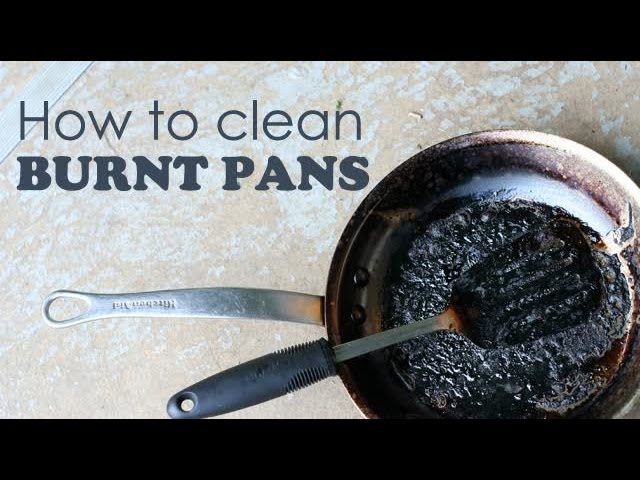
Luis Martínez, chef at Tequio Foods, recommends mixing white vinegar with lime juice, which, according to the cook, “disintegrates the black particles that remain at the bottom” of the pan.
Applying heat is another essential method for cleaning damaged pans. Martínez suggests boiling water with soap and vinegar in the pan and letting it sit for two hours to restore the utensil’s shine.
Lu agrees that hot water is key, especially for stainless steel pans, and recommends caution with ceramic models to avoid warping from sudden temperature changes. Silva advises using lukewarm water for non-stick pans and avoiding immediate contact with cold water on the still-hot surface.
The role of heat and soapy solution in cleaning
An effective technique involves pouring a mixture of soap, vinegar, and water onto the pan, boiling it, and then letting it sit. This procedure helps to loosen stuck-on food residue.
Using hot water helps dissolve fats and proteins, but Silva recommends being careful with the temperature in non-stick pans to avoid causing damage over time.
How to use baking soda and mild cleaners on burnt pans
Lauren Silva, senior product manager at All-Clad, says that mild, non-abrasive cleaners and baking soda are safe for stainless steel when used correctly. For stubborn stains, she advises sprinkling baking soda, adding water, bringing the mixture to a boil, and scrubbing with a wooden spoon.
The use of abrasive materials that can damage the surface should be avoided, which allows the pan to be preserved in good condition for longer, according to Eating Well.
Using carbonated beverages to remove burnt residue from cooking utensils
One unconventional technique endorsed by Martínez and Lu is the use of carbonated beverages. Martínez has used a mixture of vinegar and a well-known cola to clean burnt pots in Los Angeles restaurants, highlighting the effectiveness of carbonic acid.
Lu opts for sparkling water for the same purpose, avoiding the sugary residue of other soft drinks. This method can be effective when conventional procedures fail to completely remove stuck-on food particles.
Expert tips for preventing damage to pans
Prevention is crucial to avoid having to resort to complex cleaning. Martínez recommends always cooking at a “moderate temperature,” since excessive heat increases the risk of damaging both the food and the pan.
According to Lu, properly searing meats is achieved with medium-high heat and a quality stainless steel pan. Adding cooking oil to pans without a non-stick coating prevents food from sticking and simplifies cleanup.
Choosing the right cookware for each dish also reduces mishaps. The team suggests using cast iron pans for heavier dishes and ceramic or non-stick pans for delicate recipes like fish.
Silva points out that the characteristics of each material determine both its behavior in the face of heat and the suitability of certain cleaning products.
Although burning a pan can happen in any kitchen, following these expert tips allows you to salvage your utensils and extend their use before the next meal, according to Eating Well.