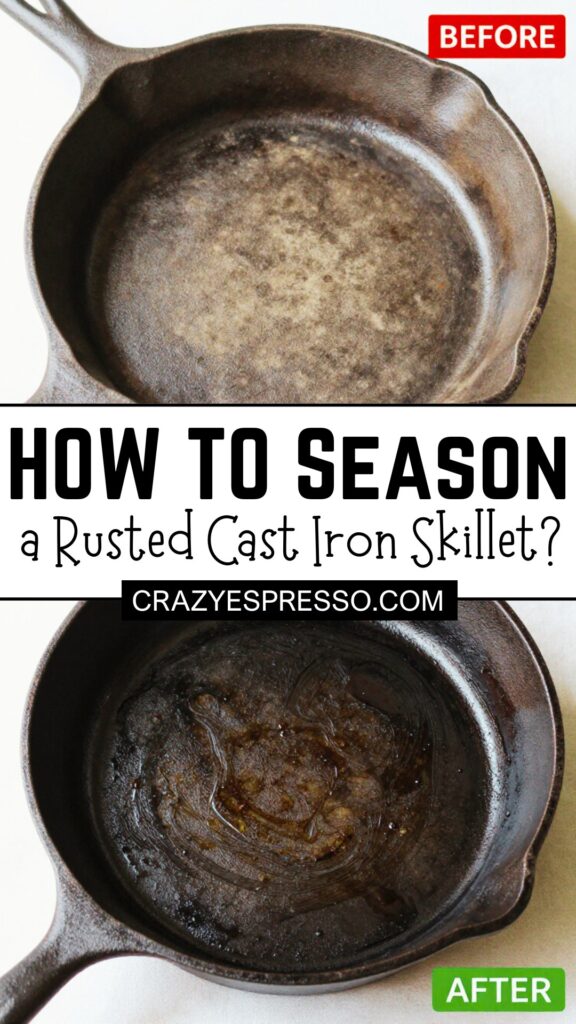
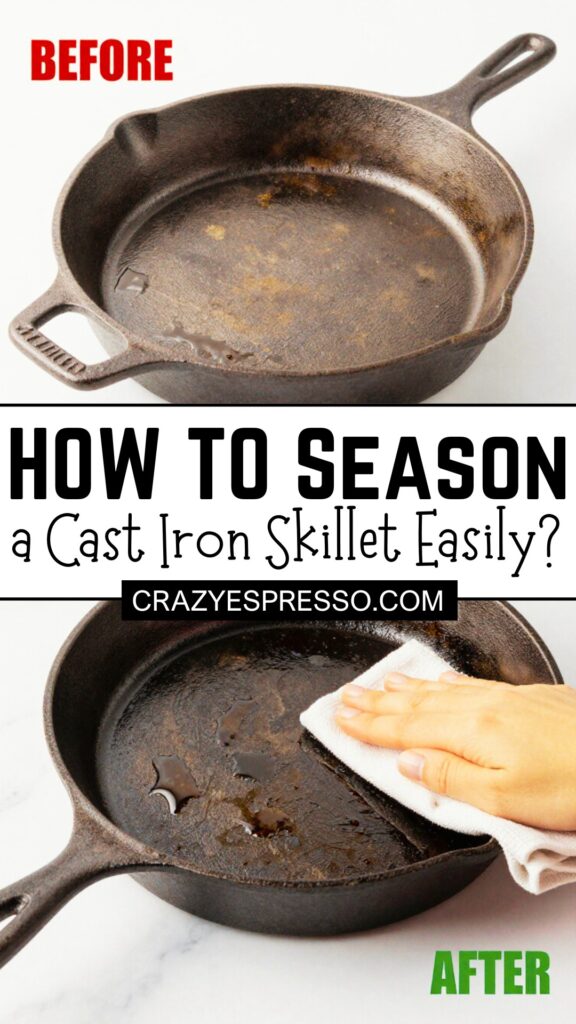
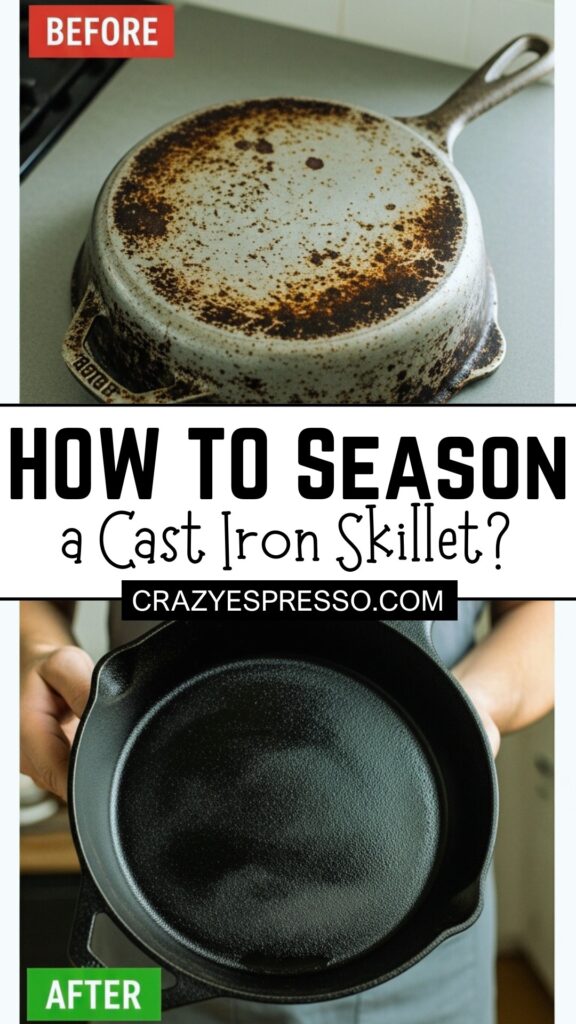
Curing is the process of treating the surface of the cast iron cookware set with a non-stick coating made of polymerized grease and oil.
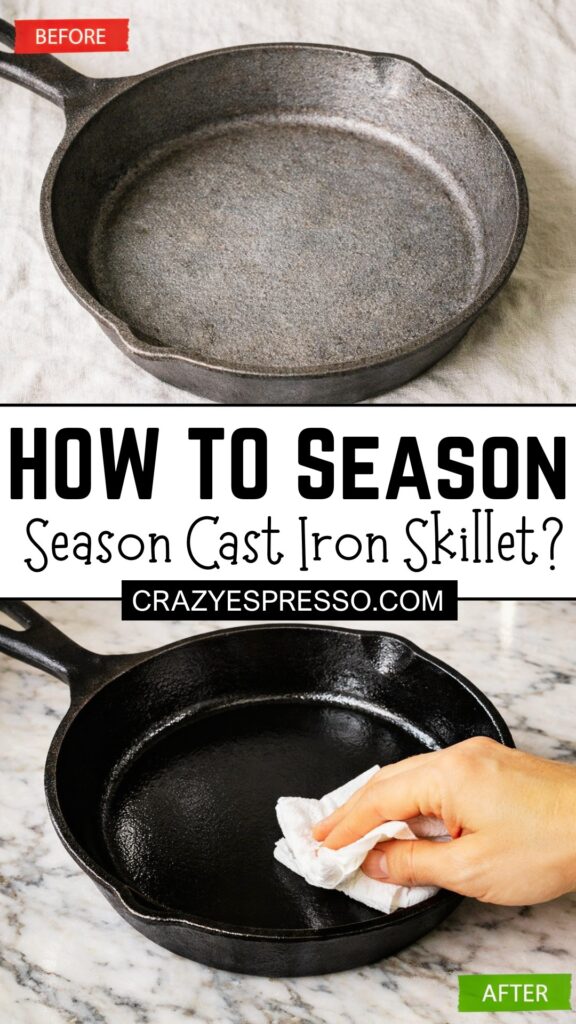
The coating is not just a thin layer of oil; it is a thin layer of polymerized oil. In a cast iron skillet, a well-seasoned pan that has been rubbed with oil and heated repeatedly has had the oil break down into a plastic-like substance that bonds to the surface of the cast iron. It is this layer that gives well-seasoned cast iron its non-stick properties: a patina of polymerized oils and fats locked into the metal’s natural pores.
A well-seasoned cast iron cookware set has a black sheen and is very smooth. Using it properly makes it even blacker and smoother over time, while becoming naturally non-stick.
The polymerization of fats transforms liquid fat into a smooth, hard, shiny coating. This fat layer prevents air from contacting the iron, making rust formation impossible. That is why seasoning the entire cookware set — including the handle and exterior — is important. If you have a lid, it should also be seasoned, since it comes into contact with air and water and can rust.
A properly seasoned utensil is easier to clean because food does not stick to it.
Table of Contents
Why Season In The Oven?
Oven seasoning is the best method for all cast iron pans because heat is distributed evenly throughout the pan, including large-diameter pans and high-sided cookware like woks. The pan must fit inside your oven.
Heating the pan for an extended period and allowing it to cool slowly:
- Makes cast iron more resistant to rust.
- Helps the patina develop more evenly.
Why Season on a Gas Stove?
The quickest way to season a cast iron skillet is on a gas stove. This works for all types of skillets and is especially effective for:
- Skillets with low sides
- Skillets with smaller diameters
Since the gas flame mainly heats the base, this method is less effective for skillets with high sides and large diameters.
Why Do You Need to Season a Cast Iron Skillet?
You season a cast iron skillet because you want to take good care of your frying pan instead of replacing it every two years. Proper care supports sustainability and ensures your pan lasts a lifetime.
Cast iron skillets do not have a synthetic non-stick coating. They are pre-seasoned with 100% natural vegetable oil. You can restore this natural non-stick coating whenever needed by re-seasoning.
What you need
Materials
| Item | Purpose |
|---|---|
| Dish soap | Initial cleaning before seasoning |
| Sponge or brush | Washing the utensil |
| Clean, dry cloth or paper towels | Drying and oil application |
| Oil (linseed oil recommended) | Polymerization and protection |
Equipment
| Equipment | Use |
|---|---|
| Oven | Heat source for curing |
Oven Curing Process
- Preheat the oven to 450°F (~230°C).
- Wash the utensil with warm, soapy water using a sponge or brush. Normally, cast iron should not be washed with soap; this is an exception because the pan will be seasoned afterward.
- Rinse and thoroughly dry with a clean cloth or paper towels.
- Apply a thin layer of vegetable oil or melted shortening to the inside and outside, including the handle. Remove as much excess oil as possible.
- Place the utensil upside down on the middle rack of the oven.
- If it is a griddle and does not fit, place it diagonally upright.
- If it still does not fit or you do not have an oven, use the stovetop.
- Bake for one hour.
- Turn off the heat and allow the utensil to cool completely before removing it.
- Repeat the process up to five times for optimal results.
You will know it is time to cure again if:
- Food begins to stick.
- The utensil looks dull.
- Rust appears.
Video Guide 📽️
How to Keep a Pan Seasoned?
- Cleaning – Clean immediately after use with hot water and a non-metallic brush. Avoid dish soap. Use coarse sea salt if necessary.
- Drying – Dry thoroughly after cleaning to prevent rust formation.
- Greasing – After drying, apply a thin layer of oil to protect the coating.
- Avoid acids – Tomatoes and wine can damage the crust.
- Regular use – Frequent cooking improves the adhesion layer. Cooking red meat can help stabilize it.
- Re-season – If the baked layer is damaged, re-season following the steps above.
Problems and Solutions
- Sticky pan – Usually caused by too much oil. Clean and reseason using thinner layers.
- Rust formation – Remove rust with a scouring pad and re-season. Always dry and oil after use.
- Spots on the crust – Often caused by acidic ingredients. Reheat to restore the crust.
With this manual and tips, you can successfully prepare your steel or cast iron skillet. Proper seasoning and maintenance ensure years of enjoyable cooking.
FAQs – Frequently Asked Questions
1. How often should I cure my cast-iron cookware?
You should cure it whenever food begins to stick, the surface looks dull, or rust appears. Regular use reduces the need for frequent full curing.
2. Can I use any oil for curing?
High smoke point oils are best. Linseed oil is recommended because it polymerizes well and creates a durable coating.
3. Why does my cast iron look sticky after curing?
This usually happens when too much oil was applied or the temperature was too low during heating.
4. Is it safe to wash cast iron with soap?
Routine washing with soap is not recommended. However, using soap before re-seasoning is acceptable.
5. How long can a cast-iron skillet last?
With proper care and seasoning, a cast iron skillet can last for generations.
Conclusion
Curing cast iron cookware creates a durable polymerized coating that protects against rust and provides natural non-stick performance. Whether you use the oven or a gas stove, applying thin layers of oil and heating properly is essential.
With consistent maintenance, your cast iron cookware set will develop a smooth, black patina and provide reliable cooking performance for many years.