If you’ve tried countless diets, from the blood type diet to the artichoke diet, but haven’t seen good results, perhaps you don’t need to eat less, but rather eat better.
The macro diet is based on knowing how much protein, fat, and carbohydrates you need, according to your goals. It’s a flexible, customizable, and very useful regimen for eating more mindfully and seeing progress without resorting to extreme restrictions.
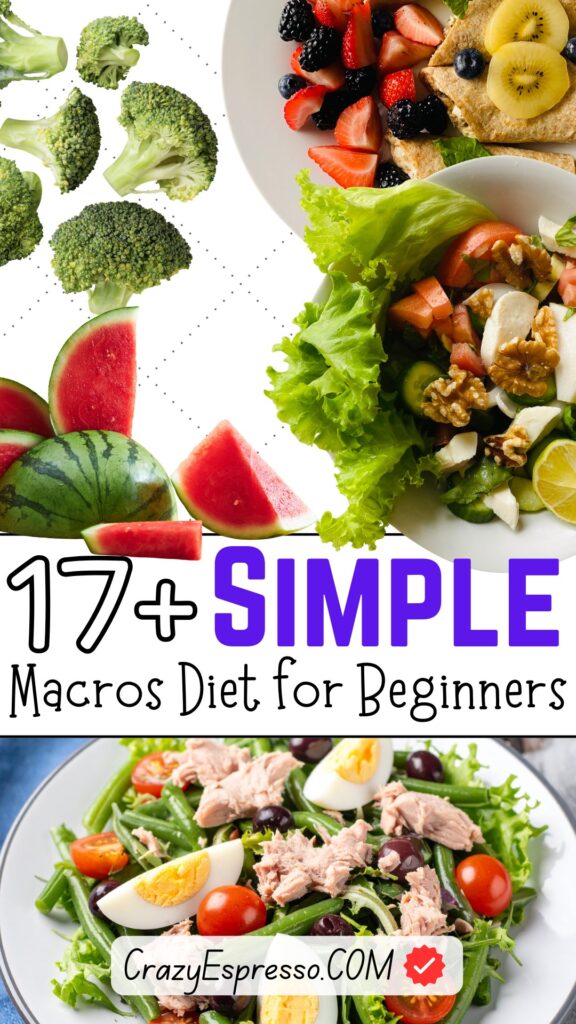
What Does Macros Diet Mean?
The macro diet, also known as the flexible diet, is specifically designed to adapt to your needs, goals, and lifestyle.
Instead of focusing solely on total calories or restricting certain foods, this nutritional approach focuses on properly distributing macronutrients depending on whether you want to lose fat, gain muscle mass, or maintain your weight.
In fact, “macros” is short for macronutrients and refers to:
- Carbohydrates. They provide a large part of the energy you need for basic functions and physical activity. In addition, fiber, a type of carbohydrate, is crucial for gut health, satiety, and blood sugar control.
- Proteins. Made up of amino acids, your body uses them to build and repair tissues, making them essential for muscles and bones. They are also indispensable for many enzymes and hormones, as well as for the proper functioning of the immune system.
- Fats. Although they have been maligned, they contribute to cell formation and are essential for synthesizing some hormones and absorbing fat-soluble vitamins, in addition to protecting organs and maintaining body temperature.
Macrofoods, so called because you need them in larger quantities, are the body’s primary fuel, unlike vitamins and minerals, which are generally consumed in smaller doses and are therefore classified as micronutrients.
Finding the ideal balance between proteins, fats, and carbohydrates can make all the difference because it improves your body composition, enhances performance, and helps build muscle. That’s why it’s the nutritional foundation for many athletes and trainers.
How Are Macros Calculated in a Diet?
Macros are calculated based on a percentage of total calories consumed. Start by calculating your basal metabolic rate (BMR) ; that is, the calories your body burns at rest.
Apply the Harris‑Benedict equation:
- If you are male: 66.5 + (13.8 x weight in kg) + (5 x height in cm) – (6.8 x age in years)
- If you are female: 655 + (9.6 x weight in kg) + (1.85 x height in cm) – (4.7 x age in years)
This will give you the number of kilocalories you burn at rest.
Next, multiply your BMR by your activity level:
- Little or no exercise: 1.2
- Light exercise: 1.375
- Moderate exercise (3‑5 times per week): 1.55
- Intense exercise (6‑7 times per week): 1.725
Then, distribute your macronutrients according to your goals, keeping in mind that 1 gram of fat equals 9 calories, while 1 gram of protein or carbohydrates equals 4 calories each.
The good news? There are online macro calculators that can tell you exactly how many calories you should consume per day and what percentage should come from carbohydrates, fats, and proteins based on your training goals.
If you’re going to do strength training to gain muscle, for example, you should increase your protein intake to facilitate muscle recovery. On the other hand, if you’re going to do more cardio and want to maintain your weight, you’ll need to increase your carbohydrate intake to prevent your glycogen stores from reaching zero.
Obviously, to implement the macro diet, you also need to know how many macronutrients each food contains, something you can easily find on nutrition labels. With this information, you can distribute your calories intelligently and without going hungry.
The interesting thing about this approach is that there are no “forbidden” food groups, so you won’t have to resign yourself to boring menus. Far from imposing restrictions, it teaches you to eat better according to your goals and lifestyle. This nutritional approach adapts to you, not the other way around. Are you ready to give it a try?
35+ Simple Macros Diet Recipes for Beginners
Here is a numbered list of 35+ recipe names (only names) suitable for a macro‑friendly diet (balanced in protein, carbohydrates, and fats, with no forbidden foods – just smart portions).
- Classic Oatmeal with Whey Protein and Berries
- Scrambled Eggs with Avocado and Whole‑Wheat Toast
- Chicken Breast with Brown Rice and Steamed Broccoli
- Turkey and Cheese Wrap (Whole‑Wheat Tortilla)
- Greek Yogurt Parfait with Granola and Mixed Berries
- Grilled Salmon with Quinoa and Roasted Asparagus
- Protein Pancakes (Oats, Eggs, Protein Powder) with Banana
- Lean Beef Stir‑Fry with Bell Peppers and Brown Rice
- Cottage Cheese with Peaches and a Handful of Almonds
- Tuna Salad Sandwich (Light Mayo) on Whole‑Grain Bread
- Baked Cod with Sweet Potato Fries and Green Beans
- Shrimp and Vegetable Skewers with Couscous
- Peanut Butter and Banana Smoothie (Protein Powder, Almond Milk)
- Turkey Meatballs with Whole‑Wheat Pasta and Tomato Sauce
- Egg White Omelet with Spinach, Mushrooms, and Feta Cheese
- Sirloin Steak with Mashed Cauliflower and Roasted Carrots
- Lentil and Vegetable Soup (with a side of whole‑grain crackers)
- Apple Slices with Almond Butter (Post‑Workout Snack)
- Chicken and Black Bean Burrito Bowl (Rice, Salsa, Avocado)
- Baked Tofu with Quinoa and Stir‑Fried Bok Choy
- Tuna and White Bean Salad (Lemon, Olive Oil, Parsley)
- Roasted Chicken Thighs (Skinless) with Barley and Roasted Brussels Sprouts
- Chocolate Protein Shake (Whey, Cocoa, Banana, Ice)
- Egg and Turkey Sausage Breakfast Burrito (Corn Tortilla)
- Beef and Vegetable Kebabs with Garlic Yogurt Sauce
- Salmon and Avocado Sushi Bowl (Brown Rice, Cucumber, Nori)
- Ricotta and Berry Toast (Whole‑Wheat, Cinnamon)
- Pork Tenderloin with Roasted Potatoes and Green Salad
- Chickpea and Spinach Curry (Light Coconut Milk) with Basmati Rice
- Protein Mug Cake (Casein, Egg White, Baking Powder, Berries)
- Shrimp Scampi with Zucchini Noodles (Small Amount of Butter)
- Lean Turkey Chili (Beans, Tomatoes, Peppers) with Greek Yogurt Topping
- Ham and Egg Breakfast Muffins (Baked, with Oats)
- Mackerel Pâté on Rice Cakes (Canned Mackerel, Low‑Fat Cream Cheese)
- Chicken and Vegetable Soup with Pearl Barley
- Overnight Oats (Protein Powder, Chia Seeds, Almond Milk, Berries)
- Baked Eggplant Parmesan (Light Cheese, Whole‑Wheat Breadcrumbs)
- Peanut Butter Energy Balls (Oats, Protein Powder, Honey)
Conclusion
The interesting thing about this approach is that there are no “forbidden” food groups, so you won’t have to resign yourself to boring menus. Far from imposing restrictions, it teaches you to eat better according to your goals and lifestyle. This nutritional approach adapts to you, not the other way around. Are you ready to give it a try?