By custom and tradition, cakes have always been the centerpiece of any celebration—be it a birthday, wedding, anniversary, or graduation—sweetening and filling our best moments with joy and happiness. When choosing the right cake, we usually have two options:
- Buy a ready-made cake
- Prepare it at home with love and dedication
The second option is also a perfect opportunity to showcase culinary skills.
Within this sweet baked category, there is a wide variety of flavors and designs—from classic round and square cakes with layers and tiers, covered with icing and fruit, to modern versions with custom fondant figures. If you’re looking for a trendy yet timeless option, consider a Bundt cake—a cake that never goes out of style thanks to its unique shape.
What is a Bundt Cake?
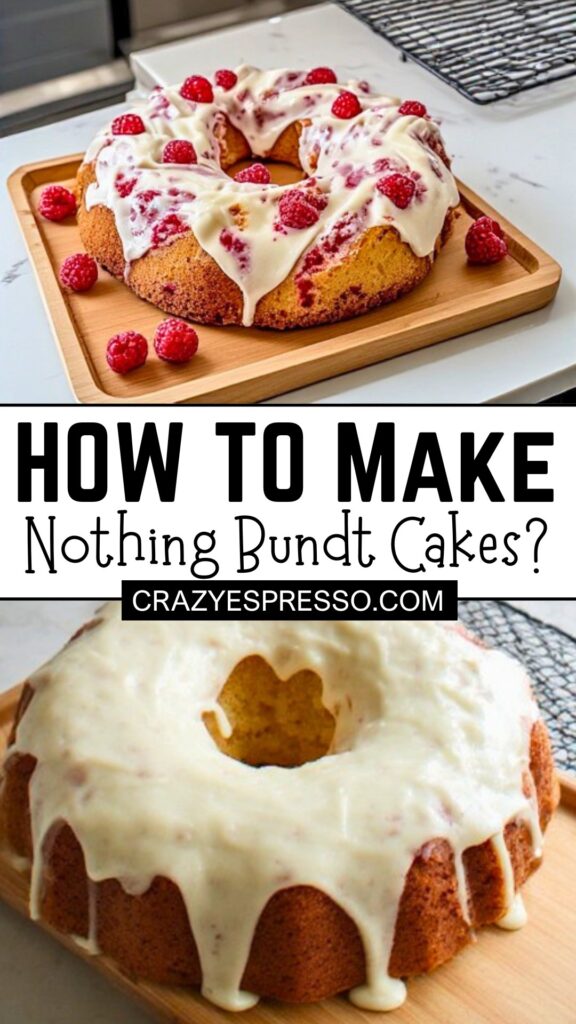
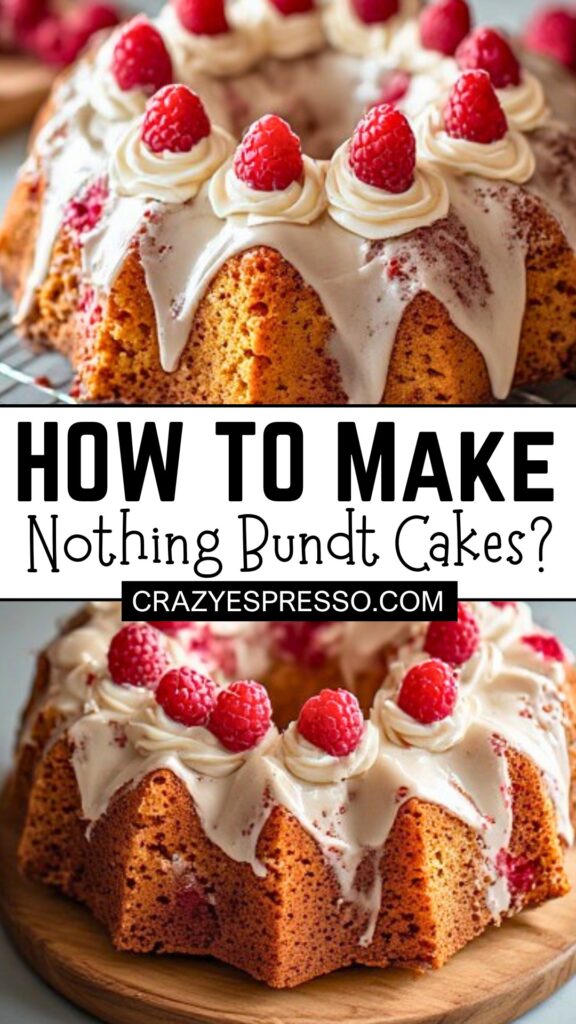
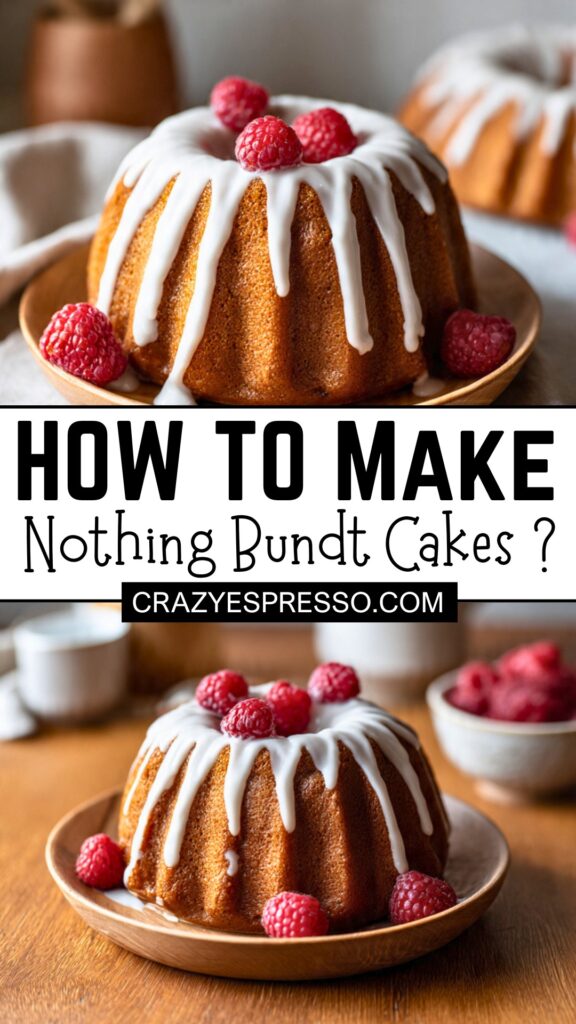
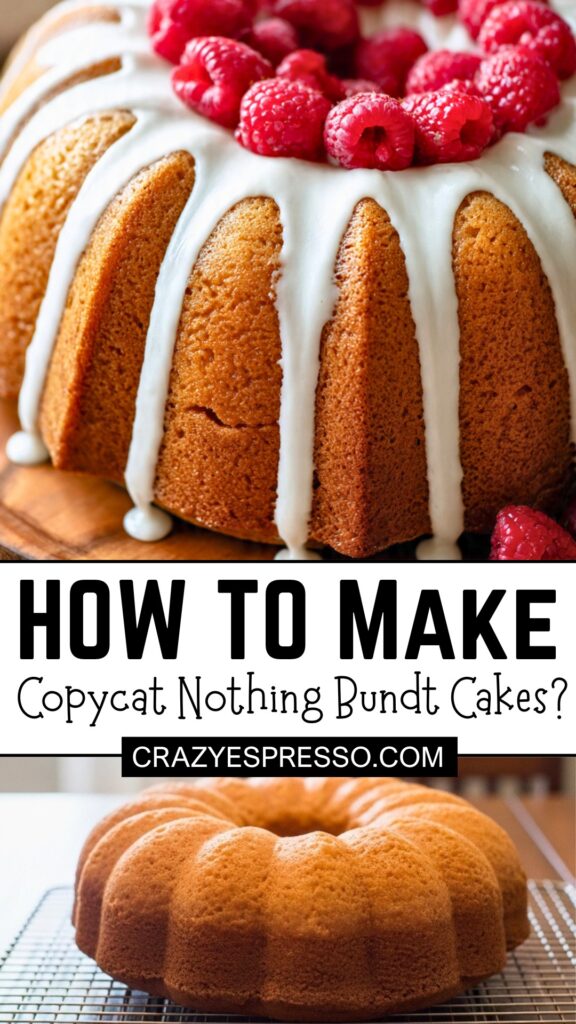
A Bundt cake is easily recognized by its circular shape with a hole in the center, similar to a ring or donut, but with sharp, defined edges.
Because of the special pan design, Bundt cakes have a distinct texture:
- Dense yet soft interior
- Dark, slightly crisp exterior
They often feature elegant geometric patterns, making them visually appealing even without decoration.
The Curious Origin of the Bundt Cake
The Bundt cake is believed to have German roots. A traditional recipe called Kugelhopf or Gugelhupf inspired it—a sweet, buttery, raisin-filled ring-shaped bread.
This preparation later evolved and was popularized in the United States when European immigrants brought their baking traditions with them.
Importance of the Pan in Bundt Cake
The Bundt pan is essential—it gives the cake its signature shape and even takes its name from it.
- Originally made from iron
- Later produced in cast aluminum in the 1950s
- Became widely popular in both home and professional kitchens
The pan’s design allows:
- Even heat distribution
- A moister, thicker batter
- A beautiful geometric finish
Without this mold, a Bundt cake would be just like any other cake.
Bundt Cake Pan: Tips
- Grease and flour thoroughly
Cover all nooks and crannies to prevent sticking. - Fill only 3/4 full
This prevents overflow and reduces waste. - Wait before unmolding
Let the cake rest for at least 10 minutes. - Avoid metal tools
Do not insert knives, as they can damage the non-stick coating.
How to Make a Perfect Bundt Cake? Step by Step
Although there isn’t a single standard recipe, the goal is always the same:
- A dense, soft crumb
- Slightly moist texture
- Crisp exterior
Bundt cakes are baked upside down, so proper baking and careful unmolding are essential to preserve the design.
Before We Begin: The Ingredients
Preparation is a key step:
- Read the recipe carefully
- Measure and weigh ingredients
- Ensure everything is at room temperature
Butter should be softened but not too soft—smooth, slightly creamy, and easy to spread. Taking it out of the fridge 30 minutes earlier usually works well.
Ingredients Table
| Ingredient | Notes |
|---|---|
| Flour | Sifted for smooth texture |
| Sugar | For sweetness and structure |
| Butter | Softened, room temperature |
| Eggs | Room temperature |
| Baking powder / soda | Helps the cake rise |
| Salt | Enhances flavor |
| Cocoa powder (optional) | For chocolate variations |
| Spices (optional) | Adds aroma and taste |
Prepare the Mold Well
To avoid disasters when unmolding:
- Grease the mold thoroughly using butter or oil
- Pay attention to every detail and corner
- Add flour or fine breadcrumbs for extra protection
- Tap out excess to avoid affecting the cake’s exterior
For chocolate cakes, cocoa powder can be used instead of flour.
The Steps of the Dough:
With the oven preheated and the mold ready:
- Prepare dry ingredients
Sift flour, baking powder, salt, and spices together. - Cream the butter
Beat butter until creamy, then add sugar. Mix for about 3 minutes until fluffy and pale. - Add eggs one at a time
Beat briefly after each addition to maintain texture. - Alternate dry and wet ingredients
Add in batches to avoid overworking the batter.
Baking and Unmolding
- Check the batter for any unmixed bits
- Fill the pan evenly and smooth the top
- Tap gently to remove air bubbles
- Bake at the correct temperature
After baking:
- Let it rest for 10 minutes
- Gently shake to release
- Turn upside down onto a rack
Allow it to cool completely before serving.
Video Guide 📺
Nutritional Facts (Approximate)
| Nutrient | Amount (per slice) |
|---|---|
| Calories | 250–350 kcal |
| Carbohydrates | 30–45 g |
| Fat | 12–18 g |
| Protein | 4–6 g |
| Sugar | 18–25 g |
FAQs
What makes a Bundt cake different from regular cakes?
The shape and pan design make it unique, giving it a distinct texture and appearance.
Do I need a special pan for a Bundt cake?
Yes, the Bundt pan is essential to achieve its signature look and even baking.
Why is my Bundt cake sticking to the pan?
It usually happens due to insufficient greasing or missing flour coating.
Can I decorate a Bundt cake?
Yes, but often it looks beautiful with just powdered sugar or glaze.
How long should I wait before removing it from the pan?
At least 10 minutes, but not too long to avoid sogginess.
Conclusion
The Bundt cake is more than just a dessert—it’s a beautiful blend of tradition, technique, and presentation. Its unique shape, rich texture, and simple elegance make it perfect for any occasion. With proper preparation and attention to detail, you can easily create a cake that looks stunning and tastes even better.