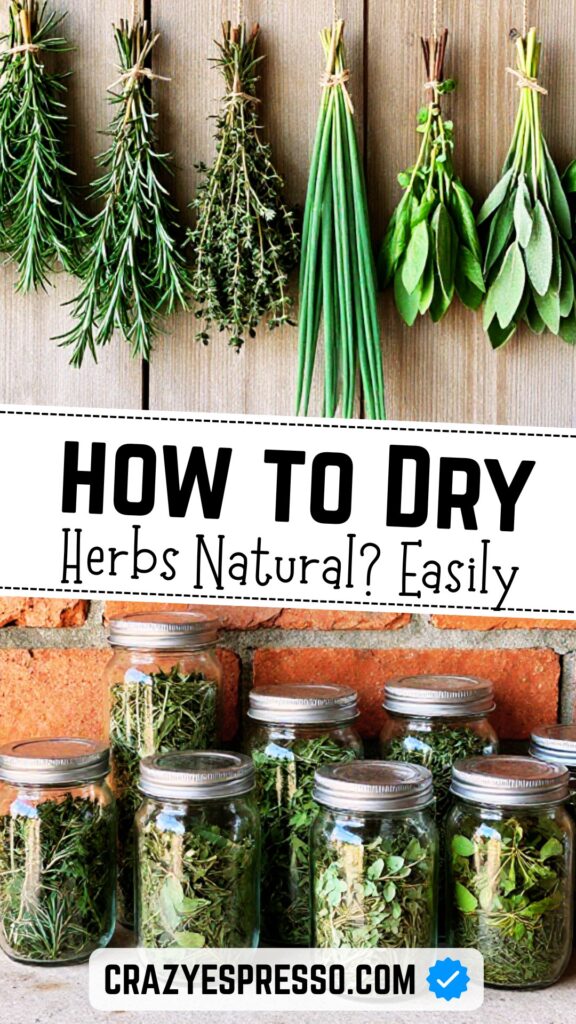
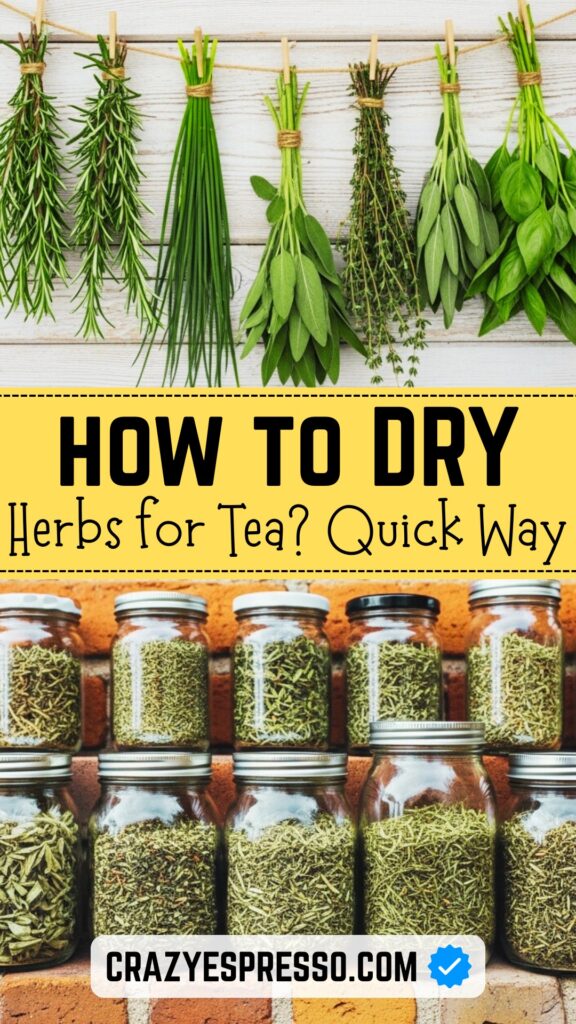
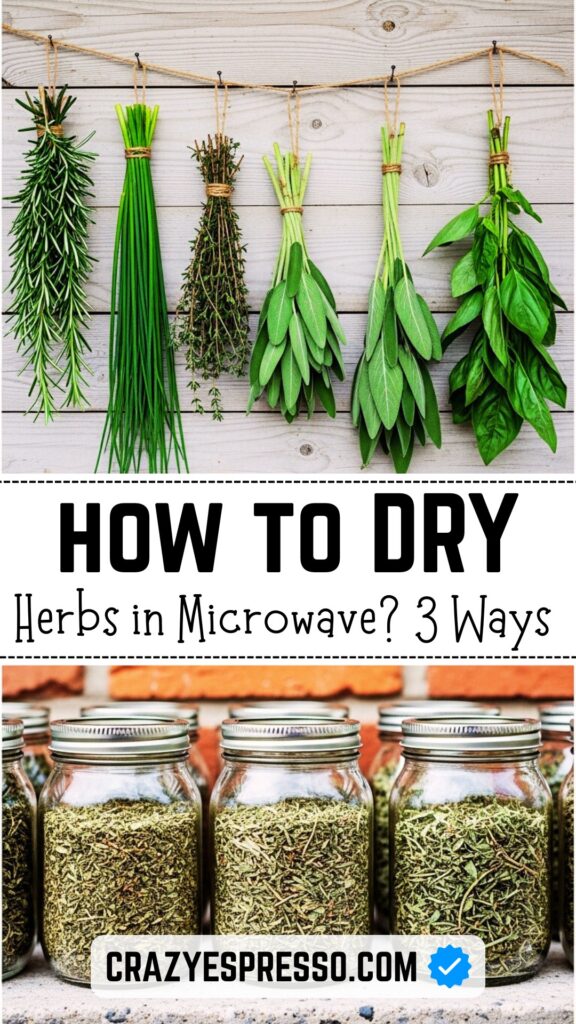
Drying herbs is a very easy and simple process that can be done with almost any type of herb you choose to grow. September is an ideal month to plant and harvest your herbs before the arrival of cold weather.
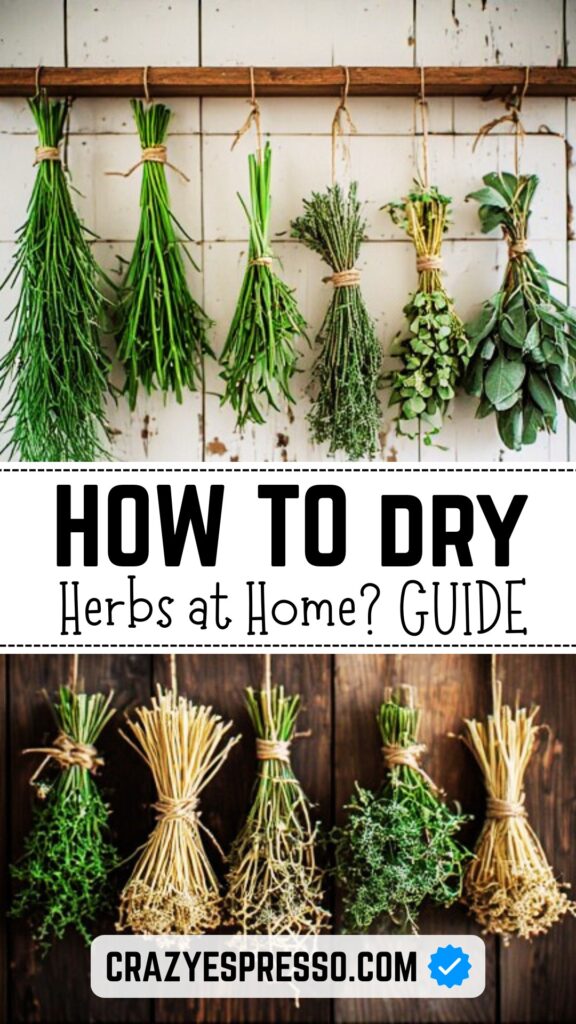
The drying process is natural and requires a dry, well-ventilated place. There are several methods for drying herbs, but it’s important to keep in mind that excessive heat or light can interfere with the process and reduce the herbs’ properties and aroma.
Next, we’re going to show you the processes you can use to dry your herbs properly, without losing properties or aromas.
Table of Contents
Why Dry Herbs?
Drying is an age-old technique that reduces the water content of leaves and stems, preventing the growth of fungi and bacteria. This allows herbs to be preserved for months — and even for more than a year — without losing their qualities. Furthermore, they take up less space and become easy to store or give as gifts.
In Misiones, drying herbs is not only used for culinary purposes. It is also used in the preparation of medicinal infusions, in natural cosmetics, and even as an input for small-scale agroecological production.
“In a province with so much ambient humidity, the challenge is to get the herbs to lose water without losing their aromas,” explains a producer consulted by ECO&AGRO, who has been dedicated to this activity for decades.
Methods for Harvesting and Drying Aromatic Herbs at Home
Harvesting Aromatic and Medicinal Herbs
When harvesting aromatic or medicinal herbs, you need to consider the plant species and the part being collected, whether for its aromatic or medicinal properties.
Generally speaking, these are the harvesting seasons for each plant part:
- Leaves and herbaceous stems: harvest at the beginning of flowering.
- Bark from trunks and branches: harvest in spring, until early summer, or in autumn. Take advantage of damp days to do so.
- Roots, bulbs, and rhizomes: harvest in autumn or early winter.
- Seeds: harvest them along with the flower head when they are fully ripe or almost fully ripe. Then begin the drying process or store them.
- Flowers: harvest them before they fully open.
Harvesting Recommendations
- Harvest in the early morning, once the dew has dried, but before the sun starts to get hot.
- You can also harvest in the late afternoon, during the last hour of daylight.
- Harvest on days that have not been preceded by heavy rain.
- Select the part of the plant you are going to harvest, discarding anything that does not look good.
- Dry the freshly harvested parts.
Drying Aromatic Herbs at Home
How Much to Dry
This will depend on your storage capacity, among other factors. Keep in mind that the amount of dried herbs needed to produce one kilogram varies depending on the plant. For example, to obtain one kilogram of dried oregano, you will need 4 kg of fresh oregano. The same applies to rosemary and bay leaves.
Drying Time
Drying time varies depending on environmental conditions such as humidity, temperature, and air circulation. It generally takes two to six days unless you use an oven or other drying methods such as desiccants or a dehydrator.
How to Tell if They’re Ready? Ideally, the herbs should retain only 10% of their moisture. At home, you will not know the exact moisture level, but this figure gives you a useful reference. If the leaves start to fall off easily when you touch them, they are most likely ready for harvesting and preserving.
3 Drying Methods
Method 1: Hang Them Up
If it’s summer and the temperature is around 30–40ºC, hang the herbs with string in small bunches. Cover them with paper bags to protect them from unwanted bugs.
Method 2: Use the Oven
If you can set a temperature below 40°C, use your home oven to dry the herbs. The drying time will depend on the type of herb. If you cannot set a temperature below 40°C, leave the oven door slightly ajar.
Method 3: On a Grid
Similar to the hanging method, you can also use a rack as a drying surface. The rack should be elevated, and you can place a thin cloth on top to hold the selected herbs. Let them dry until they are almost completely dry.
How Do I Store My Herbs?
To begin, remove any improperly dried or burnt leaves and stems, then choose how you will store them. This could be as whole stems with leaves, ground, or mixed together.
We recommend storing them in clean, dry, airtight glass or plastic containers. Avoid cloth bags, as they are prone to mold growth. Place them in a cool, dry, dark location.
It’s important to label each container with:
- The name of the herb or blend
- The packaging date
- The expiration date
This will make the containers easier to identify and will help you know how long the herbs will last.
One kilogram of fresh product yields between 100 and 150 grams of dried product, depending on the type of plant. Therefore, use medium-sized jars that you can fill gradually.
Now you’re more than ready to make the most of those leftover herbs in your kitchen. Remember, you do not need specialized equipment to obtain high-quality herbs.
Classic Herb Combinations
If you’re ready to start drying your herbs, do not forget these classic combinations that give a delicious and authentic touch to regional dishes:
- Bundle of aromatic herbs: in the center of the country, this is the name given to the mixture of bay leaf, thyme, and marjoram.
- Bundle of assorted herbs: very common in Los Tuxtlas, Veracruz, and contains mint, cilantro, parsley, oregano, and white onion.
- Herbes de Provence: a bouquet garni made up of basil, bay leaf, rosemary, savory, and thyme. Ideal for use on barbecues.
- Italian herbs: a blend of basil, oregano, rosemary, and thyme. You can also add garlic cloves and dried chili flakes when seasoning Italian sauces and dishes.
- Herbs for seasoning poultry: a mix of parsley, sage, rosemary, and marjoram. A foolproof combination if you’re baking or roasting chicken or duck.
Recovering the Tradition
The artisanal drying of aromatic herbs is making a strong comeback in Misiones, not only as a household practice but also as an economic alternative for small producers seeking to add value to their crops. At farmers’ markets, family businesses sell dried blends of oregano, lemon verbena, mint, and other local herbs at fairs and solidarity markets.
Beyond the final use, the process has cultural value: it rescues rural knowledge and promotes food self-sufficiency, two traits increasingly appreciated by consumers who value natural and artisanal products.
FAQs – Frequently Asked Questions
What is the best way to store dried herbs?
Store them in clean, dry, airtight glass or plastic containers and keep them in a cool, dark, dry place. Labeling them with the herb name and dates also helps.
Why should cloth bags be avoided?
Cloth bags can hold moisture more easily, which increases the risk of mold growth during storage.
Do dried herbs keep their aroma?
Yes, if they are dried properly and protected from excessive heat, light, and humidity, they can keep their aroma and qualities for many months.
Conclusion
Drying herbs at home is a simple and practical way to preserve their aroma, flavor, and useful properties for a long time. With proper harvesting, careful drying, and good storage, you can enjoy home-dried herbs throughout the year without needing special equipment.
In places like Misiones, this practice also carries cultural and economic value, making it more than just a kitchen habit. It is a tradition that helps keep natural, artisanal knowledge alive.