After a cholecystectomy, it’s important to follow a strict diet and eating habits for the first few weeks to avoid complications.
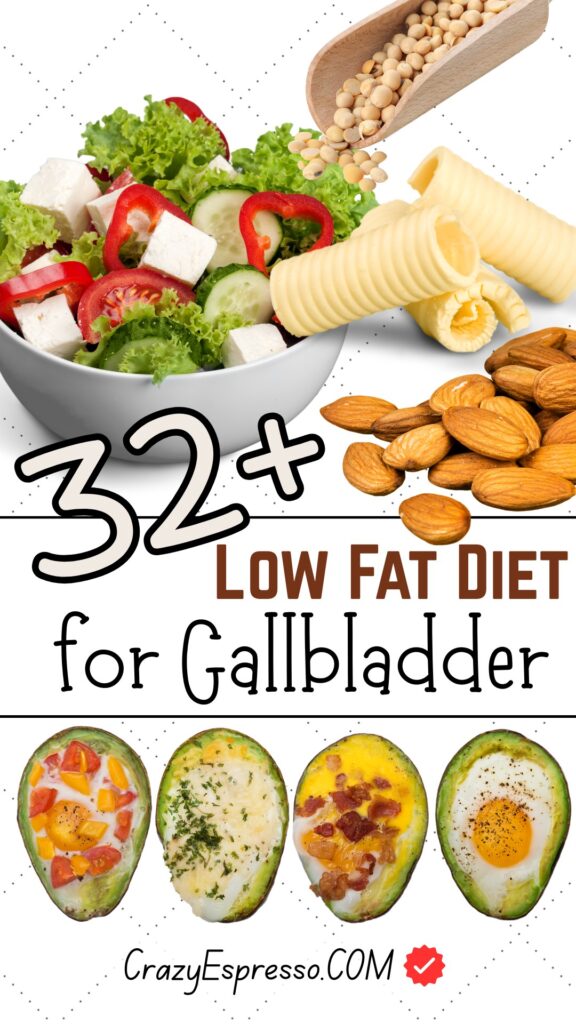
One of the main recommendations, practically a requirement, is to limit fat intake, as the body needs time to recover. Almost all patients can return to their normal diet within a month to a month and a half after the cholecystectomy.
What does a Gallbladder Mean?
The gallbladder is a muscular sac, a small, pear‑shaped organ located just below the liver on the right side of the abdomen.
It collects and stores bile, a greenish‑yellow fluid produced by the liver that is essential for fat digestion. This is why the gallbladder is an important organ of the digestive system.
The gallbladder and bile play a significant role in fat digestion, although bile does not contain digestive enzymes. A cholecystectomy is the surgical removal of the gallbladder.
Recommended Foods (Low‑Fat Biliary Diet)
| Food Category | Examples |
|---|---|
| Warm, mild infusions | Tea and chamomile |
| Low‑fat dairy | Skimmed milk, low‑fat cheeses, low‑fat yogurt |
| Grains | Rice, pasta, bread, crackers, cakes |
| Starchy vegetables | Potatoes, rice, and pasta (macaroni, tagliatelle, spaghetti, noodles, to which oil or butter will be added after cooking) |
| Eggs and desserts | Soft‑boiled and poached eggs, flan, and custard |
| Lean meats | Lean beef or veal prepared simply (grilled, boiled, cooked, baked, etc.), without sauces or spices |
| Fresh white fish | Cooked |
| Skinless poultry | Chicken and turkey |
| Cooked ripe fruits | Apple, pear, banana, etc. |
| Cooked or pureed vegetables | Carrot, zucchini, green beans, spinach, etc. |
| Healthy fat (limited) | Extra virgin olive oil (maximum 2‑3 tablespoons per day) |
Remember that recovery times vary from patient to patient, as do the guidelines provided by your specialist. Therefore, to be sure when you can resume eating a full diet, you should consult your doctor.
32+ Low-Fat Diet for Gallbladder
Here is a numbered list of 32+ recipes suitable for a low‑fat diet after gallbladder removal (steamed, baked, boiled, low in saturated fat, easy to digest).
- Steamed Hake Fillet with Boiled Potatoes and Carrots
- Baked Chicken Breast (Skinless) with Zucchini Puree
- Cooked Rice with Turkey Breast Strips (No Oil)
- Soft‑Boiled Egg with Whole‑Wheat Toast (Small Portion)
- Baked Cod with Mashed Pumpkin
- Vegetable Broth with Rice Noodles and Shredded Chicken
- Steamed Green Beans with Low‑Fat Cottage Cheese
- Baked Sweet Potato (No Butter) with Poached Egg White
- Low‑Fat Yogurt with Cooked Apple Compote (No Sugar)
- Oatmeal Cooked with Skimmed Milk and Mashed Banana
- Steamed Spinach and Carrot Puree
- Baked Turkey Meatballs (No Frying) with Boiled Quinoa
- White Rice with Cooked White Fish (Hake or Sole)
- Mashed Potatoes (No Butter) with Steamed Broccoli
- Chicken and Rice Soup (Homemade, Skimmed)
- Baked Zucchini Slices with Low‑Fat Fresh Cheese
- Chamomile Tea with Plain Rice Cakes
- Steamed Egg Custard (Made with Skimmed Milk)
- Baked Sea Bass with Boiled Asparagus
- Low‑Fat Cottage Cheese with Pear Compote
- Boiled Potato Salad (No Oil, with Lemon Juice and Herbs)
- Skinless Chicken Thigh (Baked) with Steamed Cauliflower
- Rice Pudding (Skimmed Milk, Small Amount of Sugar)
- Baked Scrambled Egg Whites with Mushrooms
- Cooked Lentils (Well Puréed) with Boiled Rice
- Steamed Zucchini and Green Bean Medley
- Baked Apple Slices with Cinnamon (No Sugar)
- Low‑Fat Yogurt with Cooked Peaches (No Syrup)
- Baked Hake with Roasted Bell Peppers (No Oil)
- Turkey and Spinach Soup (Clear Broth)
- Mashed Cauliflower with Poached Egg White
- Rice and Carrot Cream (Blended, Low‑Fat)
- Baked Eggplant Slices (No Breadcrumbs) with Tomato Sauce (No Fat)
- Skimmed Milk with Low‑Sugar Corn Flakes
- Steamed Cod with Boiled Chard
More About the Digestion & Diet Plan
Fat digestion begins when chyme (a mixture of partially digested food and gastric juices) passes from the stomach into the first part of the small intestine, or duodenum.
Digestion requires specific enzymes and other secretions. Bile is produced in the liver and stored in the gallbladder until needed. Bile assists in the digestion of fats and other lipids, although it does not contain digestive enzymes.
When chyme reaches the duodenum, a hormone called cholecystokinin stimulates the contraction of the smooth muscles in the walls of the gallbladder and the release of bile into the common bile duct
The bile then enters the duodenum. The pancreas, a gland located below the stomach on the left side of the abdomen, produces a variety of digestive enzymes, including lipases, which are essential enzymes in fat digestion.
Fats are hydrophobic molecules, meaning they are not soluble in water. However, many enzymes, including lipases, are water‑soluble and require an aqueous environment to function.
Fat molecules attract each other, forming aggregates in the form of globules or droplets. This arrangement does not favor the action of digestive enzymes, as it presents a small surface area exposed to the enzymes solubilized in the aqueous environment.
Bile acts as an emulsifier. The molecules that make up bile have a hydrophobic region that associates with and penetrates the fat droplet, and a hydrophilic region that faces the aqueous environment. The resulting hydrophilic coating prevents the fat droplets from aggregating.
The small fat droplets resulting from the action of bile are called micelles. With the formation of these small droplets, the surface area increases, and the fats are more exposed to the effect of digestive enzymes.
Once stabilized in micelles, the fats are broken down by lipases produced by the pancreas. Lipases break down fats into fatty acids and monoglycerides. Because these products are fat‑soluble, they can easily cross the plasma membrane of the epithelial cells of the intestinal mucosa.
After gallbladder removal via cholecystectomy, the body temporarily lacks an adequate bile reserve to properly digest fatty foods. Therefore, it’s important to avoid excessive fat consumption after a cholecystectomy, at least during the first few weeks.
If you consume fatty foods during this period, you will likely experience problems such as:
- Nausea
- Vomiting
- Cramps
- Bloating
- Gas
- Diarrhea
This period is temporary and short‑lived, as the body quickly compensates for the loss of bile reserves. It can last around 2 to 3 weeks.
Afterward, you can gradually return to your normal diet, reintroducing fatty foods, and will be able to eat normally by the end of the 3rd or 4th week after the cholecystectomy.
Keep in mind that recovery times vary from patient to patient, as do the specific guidelines provided by your specialist.
Therefore, to be sure when you can resume eating a full diet, you should consult your doctor. The first step in your diet plan after gallbladder removal is to eat smaller meals 5 or 6 times a day and avoid high‑fat foods.
Your intake of saturated fats should be limited. Foods should be steamed or baked.
The amount of calories from fat should be limited to less than 30% of your total calories. General advice after a cholecystectomy includes:
- Eating slowly and chewing food thoroughly is always important, not just after surgery.
- It’s important to never overeat; eat small amounts until you feel satisfied. Eat 5 or 6 times a day.
- Avoid fats in all their forms (fried foods, stews, grilled foods, creams, and whole dairy products) for the first three weeks after surgery.
- Avoid heavily seasoned foods, foods that produce gas, and foods that cause constipation.
- Gradually increase the amount of fiber in your diet. This can help normalize your bowel movements and stop diarrhea if it occurs.
- It’s recommended to walk for at least 5 to 10 minutes after eating, as physical exercise aids digestion.
- Avoid strenuous physical activity, but do deep breathing exercises: 10 times in the morning, afternoon, and evening. Pay attention to your body. You can gradually test your tolerance to different foods. Don’t try them all at once; start with one food at a time, leaving a week between each new food. This way, you’ll ensure you’ve actually tolerated it.
Conclusion
The postoperative diet, that is, the one you should follow immediately after gallbladder surgery, is usually as follows:
- At 24 hours: Start liquid intake.
- At 48 hours: Low‑fat, semi‑liquid biliary diet, according to tolerance.
- At 72 hours: A soft diet is recommended.
- The follow‑up diet: This is a soft, biliary diet that, if well tolerated, will be continued in moderate portions for one to two months.
In general, low‑fat foods are the most recommended immediately after a cholecystectomy. However, not all fats are equally poorly tolerated. Vegetable fats are better accepted. Fried foods are less well tolerated.
Chocolate is very poorly tolerated, as are gas‑producing foods. The biliary diet will contain approximately 30g of lipids per day, which is less than 25% of total energy intake.