I imagine that by now, in this day and age, you’ve all heard words like udon, soba, or somen, usually followed by the English word noodles, which translates to either noodles or spaghetti depending on their shape.
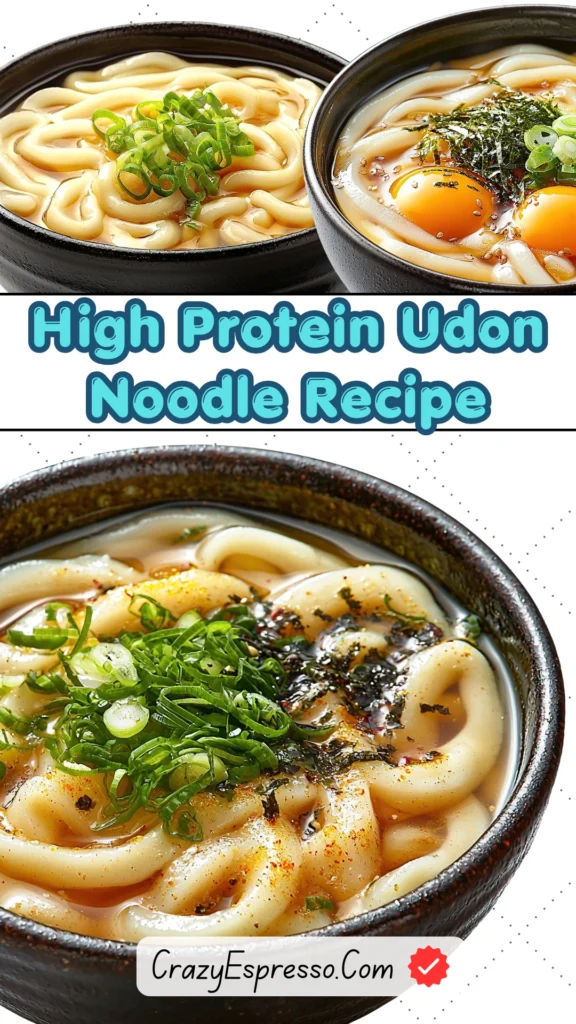
Today we’re going to learn how to make homemade udon noodles (teuchi udon).
What are Udon Noodles?
Udon noodles are typical of southern Japan and are strongly associated with the city of Osaka; they are made with common wheat flour. Soba noodles, however, originate from the north and are made with buckwheat (Fagopyrum esculentum), while somen noodles are made with durum wheat and often have a little sesame or cottonseed oil added during preparation.
Let’s talk about udon noodles. These days, their preparation isn’t much different from any other type of homemade pasta. However, the traditional method involves placing the dough in a plastic bag and kneading it with your feet, while wearing clean socks, until you achieve the right texture. We’ll be working it with our hands, rolling it out, and once cooked, we’ll serve it cold with a vegetarian tsuke‑jiru sauce.
Notes on the Preparation of Udon
- It seems like a lot of salt: No, to prepare Udon noodles, the mixture of water and salt should taste more or less like seawater. The necessary salt ratio is 5% of the amount of flour used (e.g., 100 g of flour = 5 g of salt).
- Temperature and humidity affect: I’m making this recipe in summer, but the amount of water may increase by about 5 to 10 ml depending on the ambient temperature and humidity, or if you make it in winter.
- Difficult to work with: This is a stiff dough that requires quite a bit of work. With the amount of flour we’re using today, it can be worked well by hand.
- If you prepare a larger quantity, it is highly recommended to use a pasta machine or put the dough in a zip‑lock bag and work it with your body weight by stepping on it, as is traditionally done in Japan.
- Be patient: This dough requires about 2 or 3 hours of resting time, especially when working with your hands; the longer it rests, the easier it will be to stretch.
- Storage: If you make a good amount, they can be kept in the refrigerator for 3 days.
Udon kaeshi recipe
Ingredients: For the udon pasta
| Ingredient | Quantity |
|---|---|
| Regular wheat flour | 500 g |
| Salt | 25 g |
| Water | 200 to 300 ml |
Ingredients: For the kaeshi sauce
| Ingredient | Quantity |
|---|---|
| Soy sauce (shoyu) | 250 ml |
| Non‑alcoholic mirin | 50 ml |
| Sugar | 100 g |
Elaboration
- In a small bowl, mix the water and salt – we recommend using cold water, and it’s best if you salt all 300 ml.
- We put the flour in a large bowl and make a hole in the center.
- We gradually pour in the water and salt mixture while mixing with the fingers of one hand – the amount of water is approximate; it is better to add it little by little until there is no more loose flour at the bottom of the bowl.
- We form a ball with our hands and transfer the dough to the work table.
- We work the dough until we obtain a silky, soft texture, but without it sticking to our hands.
- We cover the dough with a damp cloth, a plastic bag or cling film and let it rest overnight if it is winter; in summer, a couple of hours will be more than enough.
- We sprinkle the work surface with flour and roll out the dough with a rolling pin, shaping it into a rectangle until we reach a thickness of approximately half a centimeter.
- We sprinkle the rectangle of pasta with flour on both sides and fold it into four equal folds.
- We cut strips half a centimeter wide using an oriental knife or a long, straight knife.
- Insert a chopstick or a long, thick skewer into the center fold and lift to spread the udon noodles. Let them rest on a pasta drying rack.
- To make kaeshi sauce, mix the sugar, non‑alcoholic mirin, and soy sauce in a small saucepan and heat. Remove from the heat immediately once the sugar has completely dissolved – avoid letting the mixture boil to preserve all the soybean’s properties. Store it in a glass jar in the refrigerator once it has cooled to room temperature.
- Heat enough water and, when it’s boiling, add the pasta. When it comes back to a boil, add 250 ml of cold water. Repeat this process of briefly smothering the pasta at least three times.
- Drain the pasta when it’s cooked and rinse it with water to refresh it – it’s a good idea to stir it well in the water to remove any flour from the pasta.
- We serve the udon noodles in individual bowls, garnished with toasted sesame seeds and strips of nori seaweed. The sauce is served separately so everyone can season their own dish.
Now that we know how to make homemade udon noodles, we can try our own recipes. Remember that in winter, a good broth with this homemade pasta will warm us up wonderfully. And in summer, accompanied by a fresh sauce, it can help us avoid turning on the stove so much and still enjoy a delicious Japanese‑style pasta dish.
Nutrition Facts
| Nutrient | Amount per Serving | % Daily Value* |
|---|---|---|
| Calories | 580 kcal | 29% |
| Total Fat | 12 g | 15% |
| Saturated Fat | 2.5 g | 13% |
| Trans Fat | 0 g | |
| Cholesterol | 55 mg | 18% |
| Sodium | 890 mg | 39% |
| Total Carbohydrate | 68 g | 25% |
| Dietary Fiber | 6 g | 21% |
| Total Sugars | 4 g | |
| Protein | 38 g | 76% |
| Calcium | 70 mg | 5% |
| Iron | 4.2 mg | 23% |
Disclaimer: Nutrition estimates are for general guidance only, based on a 2,000‑calorie diet. Actual values vary with protein source (chicken, tofu, shrimp), noodle brand, and vegetable additions.
Some helpful tips
- Udon noodles can be frozen before cooking and will keep perfectly for a couple of weeks. They can also be stored in an airtight container in the refrigerator for up to three days.
- Tsuke‑jiru sauce is made with Japanese broth (dashi), kaeshi (salt cod), and smoked bonito flakes (katsuobushi). If you have katsuobushi at home, add a handful to the sauce after removing it from the heat. Let it infuse until it has cooled. Once you put it in the refrigerator and strain it, you’ll have a sauce with a different and very pleasant flavor.
- If you have the patience, make the sauce a week or two in advance and let it rest in the refrigerator. You’ll see that the flavor intensifies with this long resting time.
- The best soy sauce for this sauce is Japanese, but you can also use Chinese or Korean.
- If you can’t find non‑alcoholic mirin, you can substitute non‑alcoholic sake or halal white grape juice.