If you’re suffering from blackheads, don’t worry, it’s not a life-threatening situation. Simply learn the right techniques and proper care to combat them. In this article, you’ll find our tips for clearer, fresher, and smoother skin.
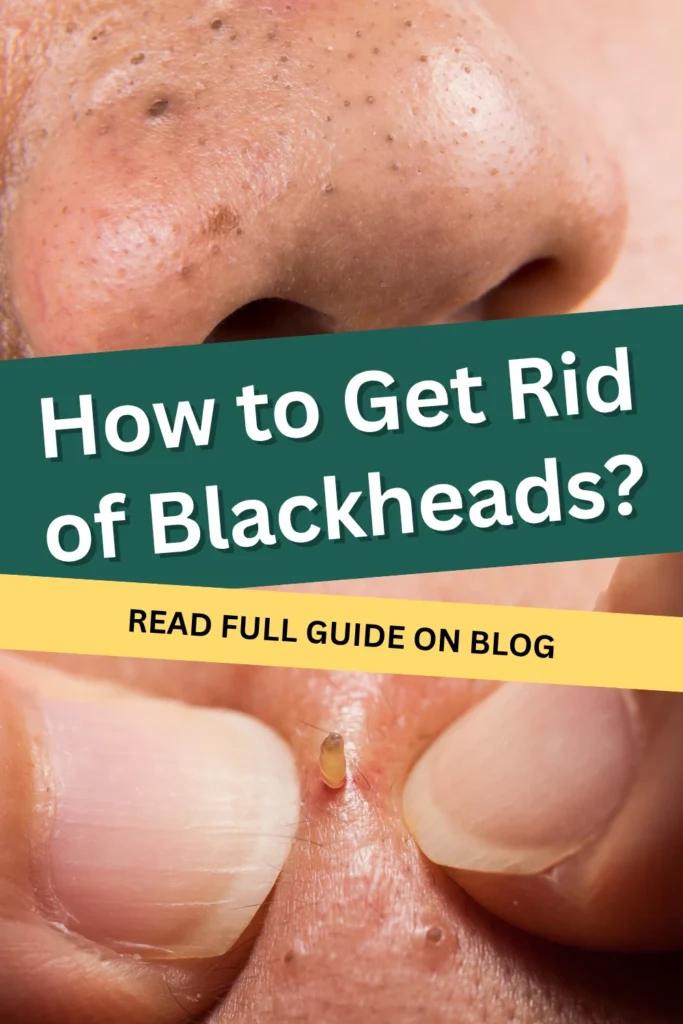
Not only unsightly but also detrimental to one’s appearance, blackheads are a common problem for teenagers… and adults aren’t immune either! However, it’s possible to combat them by learning the right techniques and adopting proper skincare practices.
Thanks to our tips, you can eliminate blackheads and have cleaner, fresher, and smoother skin again.
BLACKHEADS: WHAT YOU SHOULD KNOW
What causes blackheads?
A blackhead, also called a comedo, is the visible part of excess sebum produced by the sebaceous glands. Sebum is an oily substance designed to lubricate the skin and prevent bacteria from penetrating the epidermis.
During adolescence, a period of hormonal fluctuations, the sebaceous glands tend to produce excess sebum, which leads to the appearance of a small comedo. Upon contact with air, this sebum oxidizes and turns black, resulting in the first sign of acne: blackheads.
The favorite spots for blackheads…
As a logical consequence, blackheads appear on parts of the body that have sebaceous glands. This is particularly true for the face, specifically the well-known “T-zone”: the forehead, nose, and chin. Blackheads can also appear on the torso, shoulders, and back, more frequently in men.
Who are most likely to be affected by blackheads?
This is certainly not a matter of hygiene, and anyone can get blackheads. For hormonal reasons, teenagers are particularly prone to these blemishes, but they also affect a significant number of adults—both women and men.
8 Ways to Remove Blackheads from Your Nose
1 – Wash your face twice a day and after exercising.
I’m sure this isn’t the first time you’ve heard that washing your face regularly can help with acne. It’s a good idea to wash your face even in the morning to remove any dirt or bacteria that may have accumulated overnight.
It’s also important to wash your pillowcases regularly. Just be careful not to overdo it with the cleansing, as it can damage your skin and cause it to produce more oil to compensate. Wash your face as soon as possible after exercising.
A soft facial cleansing wipe is ideal if you don’t have easy access to a changing room. Sweat can get trapped in your pores along with dirt and oil, which is why you should wash your face, ideally before the sweat has a chance to dry.
2. Pore Strips:
We’ve all seen the commercials with the smiling woman delighted to have her blackheads removed from her nose.
Pore strips temporarily remove a layer of skin, and often the oxidized oil and dirt that form the blackhead come out with it.
However, pore strips won’t prevent those blackheads from returning, as they don’t regulate your skin’s oil production. For best results, wet your face beforehand.
Beauty Tip: Place a towel over your head and carefully hold your face over a pot of boiling water. This will help open your pores.
While they can make pores appear temporarily smaller, pore strips also have the potential to remove important natural oils and hair follicles that are beneficial for your skin.
3. Use oil-free sunscreen.
It might seem a little strange to put oily sunscreen on peeling skin. But it’s important to use sunscreen regardless of your skin type: oily, dry, or sensitive. Fortunately, there are some great oil-free options that effectively block both UVA and UVB rays
4. Exfoliate weekly.
When you think of exfoliation, you might think of harsh scrubs. These can actually make acne more inflamed. Luckily, there are a number of gentle chemical exfoliants you can use. Look for those that contain alpha and beta hydroxy acids (AHAs and BHAs).
These are gentle acids that help remove dead skin cells. They help clear the way for other products to penetrate the skin better and work more effectively.
You may have heard of salicylic acid for acne, which is a BHA. BHAs are oil-soluble and help unclog pores. Glycolic and lactic acids are considered AHAs, which are water-soluble and derived from natural sources like milk, fruit, or sugar.
Just remember that AHAs and BHAs remove a layer of skin, which can make your skin more vulnerable to UVA and UVB rays. So don’t forget your SPF if you’re going outside.
5. Clay Masks.
Clay is a gentle ingredient whose effectiveness dates back to ancient times. Clay helps remove excess oil from the skin and can help loosen or even remove dirt from clogged pores.
Face masks made with a clay base work more gently than pore strips, which can peel off a layer of skin. Instead, the clay penetrates the pore and can gradually remove dirt and oil.
Some clay masks contain sulfur, which helps break down dead skin and can improve the appearance of blackheads. However, many people are allergic to sulfur, so it’s a good idea to do a patch test on your arm if you’ve never used a sulfur product before.
6. Charcoal Masks.
Charcoal is popping up in all sorts of products now—I even have a charcoal-infused toothbrush—and for good reason. Charcoal is a great detoxifier. It works deep in your pores to help draw out dirt and other impurities.
There are tons of wonderful charcoal masks available. Or you can buy activated charcoal tablets at a drugstore, crush the charcoal, and make your own DIY mask with a mixture of bentonite clay, tea tree oil, honey, or just plain water.
7. Try topical retinoids.
Topical retinoids are derived from vitamin A and have been shown to significantly improve acne.
Some are available over the counter, while others are not. Retinol increases skin cell turnover and can also reduce the appearance of wrinkles.
It should be noted that pregnant women are advised to avoid retinol because excessive amounts can interfere with fetal development. If you are pregnant, you can use rosehip oil instead of retinol to achieve similar effects.
8. Apply salicylic acid gel.
Salicylic acid can help dissolve the keratin that clogs pores and causes blackheads. It’s also an effective exfoliant, but should only be used on areas of the body experiencing whiteheads or blackheads. Using it all over the body can lead to salicylate toxicity.
Finally, here are some tips to help you prevent those dreaded blackheads:
- – Avoid self-tanners: I love a good self-tanner now and then, but if you’re trying to get rid of blackheads on your nose, it’s best to skip self-tanner on your face. This is because the product can settle into existing blackheads, making them appear darker and more prominent. Even worse, self-tanners can further clog pores and lead to more breakouts.
- – Don’t overuse products: Trying too many products at once, even if they’re designed to fight acne, can sensitize your skin and exacerbate blackheads on your nose. Stick to one or two products and remember to use moisturizer because overly dry skin will produce excess oil, which can increase blackheads.
- – Avoid products with benzoyl peroxide: Benzoyl peroxide is a common and effective ingredient found in many over-the-counter acne medications. It’s anti-inflammatory, meaning it helps soothe inflamed acne, such as cysts, pustules, papules, and nodules. Blackheads and whiteheads aren’t considered inflammatory types of acne, so benzoyl peroxide won’t have a noticeable effect. It won’t hurt, but it probably won’t help either. Benzoyl peroxide will stain towels and clothing, so be extra careful when using it.
- – Don’t try to extract blackheads yourself: Extraction is the process of manually removing a blackhead by pressing directly on the area. This is best left to professionals. Dermatologists or estheticians will have the appropriate tools that are properly disinfected. Attempting to squeeze, pop, or extract blackheads on your nose yourself without professional help can lead to redness, irritation, or permanent scarring.
Blackheads on the nose are common. While harmless, they can be annoying. Washing your face daily, using oil-free sunscreen, and experimenting with pore strips, retinol, or products containing salicylic acid can help get rid of them. Now you can say goodbye to them forever!