Insulin resistance occurs when the body’s cells do not respond well to insulin, a hormone produced by the pancreas whose function is to help blood glucose enter the cells of the muscles, fat, and liver for energy. Therefore, if insulin does not work properly, blood glucose cannot be absorbed, leading the pancreas to produce more insulin—that is, to work harder.
Note: A free printable 30 Days Insulin Resistance Diet Plan PDF is available at the end of this article. Scroll down to the bottom to download and save your printable copy.
Risk of developing insulin resistance
The following people are most likely to develop insulin resistance:
- People who are overweight or obese
- Age 45 years or older
- Family history of insulin resistance
- Sedentary
- Associated diseases such as high blood pressure or dyslipidemia
- Polycystic ovary syndrome
Insulin resistance is a metabolic condition that can be prevented or reversed through positive lifestyle changes. Weight loss, regular physical activity, and a healthy diet should be promoted.
Nutrition in insulin resistance
For people with insulin resistance, a low-carbohydrate or Mediterranean diet is recommended, prioritizing the consumption of high-quality foods and avoiding ultra-processed products (high in salt and sugar).
The Mediterranean diet is characterized by being rich in fruits and vegetables, legumes, seeds, herbs and spices, nuts, and whole grains; it is also high in dietary fiber. The foods that are recommended for insulin resistance are shown in the following figure.

Among the seeds, we have chia, sesame, sunflower, flaxseed, among others; and among the whole grains, we can choose between brown rice, whole grain noodles, oats or whole grain bread.
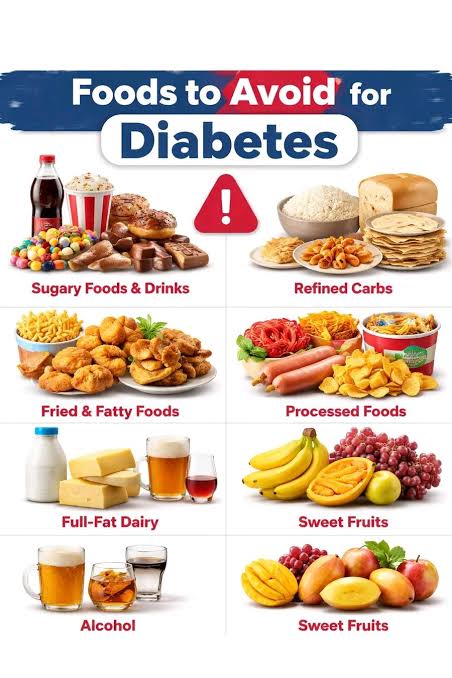
The foods to avoid in insulin resistance are the following.
It’s also important to choose carbohydrates with a low glycemic index. This index is a measurement system that classifies foods according to their effect on blood sugar levels.
Low-glycemic carbohydrates have been shown to contribute to weight loss, lower blood sugar levels, and reduce the risk of heart disease and type 2 diabetes.
Low-glycemic foods are the best choice in a balanced diet because they are digested and absorbed slowly, resulting in a more controlled increase in blood sugar levels.
- Low glycemic index: 55 or lower
- Average glycemic index: 56 – 69
- High glycemic index: 70 or higher

Regarding the consumption of added sugars, it is advisable not to consume these types of sugars (table sugar, panela, honey, chancaca), as they increase blood sugar, causing an increase in insulin, which in the long term makes it less effective.
On the other hand, synthetic sweeteners like saccharin, aspartame, and acesulfame, despite being calorie-free, stimulate insulin production (and thus increase appetite) by generating a sweet taste. This sweetness is associated with increased glucose uptake, and some studies suggest they alter the composition of the gut microbiota.
However, if we focus on natural sweeteners like sorbitol, xylitol, mannitol, erythritol, and stevia, these have fewer calories than sugar, are metabolized slowly, and have no known health risks.
7-Day Meal Plan Proposal
Day 1
- Breakfast: Greek yogurt with strawberries and chia seeds
- Lunch: Grilled salmon with quinoa and steamed broccoli
- Dinner: Stir-fried turkey breast with peppers and zucchini
- Snack: Cottage cheese with blueberries
Day 2
- Breakfast: Oatmeal with flax seeds, walnuts, and blueberries
- Lunch: Kale and spinach salad with avocado, almonds, and grilled chicken breast
- Dinner: Baked salmon with asparagus and sweet potatoes
- Snack: Natural yogurt with strawberries and chia seeds
Day 3
- Breakfast: Omelette with peppers, spinach, and feta cheese
- Lunch: Quinoa bowl with grilled turkey breast, kale, and avocado
- Dinner: Lentil soup with kale and cauliflower
- Snack: Greek yogurt with walnuts and blueberries
Day 4
- Breakfast: Cottage cheese with strawberries and almonds
- Lunch: Stir-fried tofu with broccoli, green beans, and bell peppers
- Dinner: Grilled chicken breast with sweet potatoes and steamed Brussels sprouts
- Snack: Greek yogurt with flax seeds and blueberries
Day 5
- Breakfast: Overnight oats with chia seeds, strawberries, and almonds
- Lunch: Salmon and quinoa salad with avocado, kale, and olive oil dressing
- Dinner: Grilled tofu with zucchini and cauliflower
- Snack: Cottage cheese with blueberries and walnuts
Day 6
- Breakfast: Scrambled eggs with spinach and feta cheese
- Lunch: Turkey breast and kale salad with almonds and olive oil dressing
- Dinner: Baked salmon with asparagus and green beans
- Snack: Natural yogurt with chia seeds and strawberries
Day 7
- Breakfast: Greek yogurt with blueberries, flax seeds, and almonds
- Lunch: Tofu and quinoa bowl with Brussels sprouts and kale
- Dinner: Grilled chicken breast with brown rice and steamed broccoli
- Sandwich: Cottage cheese with walnuts and strawberries
Download Your Free Printable: [30 Days Insulin Resistance Diet Plan PDF]