High blood pressure is the most prevalent risk factor for cardiovascular disease and is defined as blood pressure equal to or greater than 140 mmHg systolic and/or 90 mmHg diastolic.
High blood pressure is characterized by the excessive force with which blood flows through the arteries, which can damage blood vessels and increase the risk of developing or worsening existing diseases.
The prevalence of high blood pressure increases progressively with the aging of the population, affecting more than 60% of people aged 60 and over. A more sedentary lifestyle and increased weight/body fat could be among the factors that lead to this undue increase in blood pressure.
The WHO estimates that 54% of heart attacks are a direct consequence of high blood pressure, placing it among the main risk factors for cardiovascular mortality.
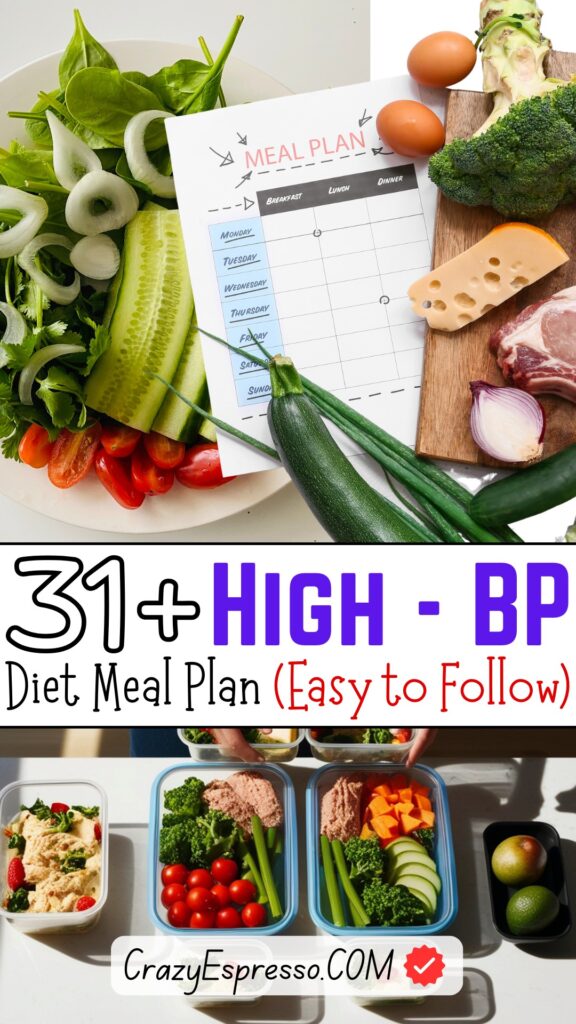
31+ High Blood Pressure Diet Recipes List
Here is a numbered list of 31+ recipe names (only names) suitable for a high blood pressure diet (low sodium, DASH‑friendly, rich in fruits, vegetables, whole grains, lean proteins, and low‑fat dairy).
- Oatmeal with Fresh Berries (No Added Salt)
- Banana and Spinach Smoothie (Unsweetened)
- Whole‑Wheat Toast with Avocado and Tomato
- Low‑Fat Yogurt with Ground Flaxseed and Kiwi
- Vegetable Omelet (No Salt, with Mushrooms and Peppers)
- Quinoa Salad with Cucumber, Tomato, and Lemon Juice
- Chickpea and Spinach Stew (Low Sodium Broth)
- Baked Salmon with Lemon and Dill
- Grilled Chicken Breast with Steamed Broccoli
- Brown Rice Bowl with Roasted Zucchini and Bell Peppers
- Lentil Soup (No Salt Added, with Carrots and Celery)
- Baked Sweet Potato with Black Beans and Avocado
- Tuna Salad (Water‑packed, with Low‑Fat Yogurt and Herbs)
- Steamed Cod with Asparagus and New Potatoes
- Greek Salad (Reduced Feta, No Olives, Light Dressing)
- Zucchini Noodles with Pesto (No Salt, Low‑Fat)
- Turkey and Vegetable Skewers (Grilled)
- Roasted Cauliflower with Turmeric and Garlic (No Salt)
- Watermelon and Mint Salad
- Baked Eggplant Slices with Tomato and Basil
- White Bean and Tuna Salad (Lemon and Parsley Dressing)
- Pumpkin Soup (No Cream, No Salt, with Nutmeg)
- Grilled Sardines with Roasted Red Peppers
- Couscous with Steamed Vegetables and Chickpeas
- Apple and Cinnamon Chia Pudding (Unsweetened)
- Steamed Artichokes with Lemon‑Yogurt Dip
- Baked Hake with Tomato and Onion (No Salt)
- Oven‑Roasted Beet and Orange Salad
- Brown Rice and Lentil Pilaf
- Low‑Sodium Vegetable Broth with Quinoa and Kale
- Frozen Berry and Low‑Fat Yogurt Bark
- Stuffed Bell Peppers (Lean Ground Turkey, Brown Rice, No Salt)
- Fresh Fruit Salad with Lime and Mint
Types of Hypertension
There are different types of high blood pressure, depending on its progression.
| Type | Description |
|---|---|
| Essential or primary hypertension (of varying degrees) | This is the most common type. It accounts for 9 out of 10 cases of hypertension. It has no known cause and depends on multiple factors such as family history, advanced age, diet, sedentary lifestyle, obesity, etc. |
| Secondary hypertension | Caused by a medical condition such as kidney or cardiovascular disease. |
At our center, we have a large team of specialized dietitians and nutritionists, and we can help you lower your blood pressure levels either in person at our Barcelona clinic or through our online nutritionist service.
Main Causes of High Blood Pressure
Blood pressure rises due to high cardiac output, peripheral vascular resistance, or a combination of both.
As people age, the predominant cause of hypertension tends to be high peripheral vascular resistance, often in combination with increased blood vessel stiffness. When hypertension appears at a young age and affects several members of the same family, it is linked to a genetic predisposition.
Recent studies have also identified obstructive sleep apnea syndrome (OSAHS) as one of the most significant causes of uncontrolled secondary hypertension. The shallower and lower the quality of sleep (more frequent awakenings), the greater the increase in nighttime blood pressure. It is precisely these micro‑arousals that occur after apnea episodes that have been linked to sympathetic hyperactivity, which triggers transient increases in blood pressure.
Several studies show that patients with severe OSAHS who receive CPAP treatment in conjunction with pharmacological treatment for hypertension have better blood pressure control due to the reduction in nighttime variability and the control of blood pressure during apneas.
In any of the cases mentioned, the interaction with environmental factors, such as salt and excessive calorie intake and the level of physical exercise, ultimately determines the increase in blood pressure.
Types of Treatments for Hypertension
There are different mechanisms for lowering high blood pressure, which can be grouped into two well‑defined strategies:
- Non‑pharmacological treatments / lifestyle changes
- Pharmacological treatment or use of medication
In this article, we will focus on those aspects of our diet and daily life that we can modify to improve blood pressure levels.
Non-Pharmacological Treatments
Maintaining a healthy lifestyle from childhood can delay or even prevent the onset of hypertension in adulthood, thus reducing cardiovascular risk.
What does it mean to maintain a healthy lifestyle? What measures should we take to obtain this benefit?
| Measure | Key Points |
|---|---|
| Low‑salt diet | Reduce added salt in cooking and seasoning. |
| Adequate potassium intake | Increase fruit and vegetable consumption. |
| Avoid alcohol | – |
| Do not smoke | – |
| Maintain a balanced, complete, and healthy diet | – |
| Exercise regularly every day | – |
| Weight loss or maintenance of a healthy weight | – |
In addition, these changes may improve the effectiveness of medication in individuals who are already taking medication or cannot discontinue it.
Salt Reduction
One of the main factors to consider in the diet of a patient who already has hypertension or is at high risk of developing it is their daily salt intake, especially the salt added for cooking, seasoning, and dressing.
Excessive salt consumption, that is, > 5g of sodium/day, or the equivalent of a small teaspoon per day, is associated with an increased prevalence of hypertension and an increase in systolic blood pressure over time. Likewise, a minimal reduction of just 2g of salt per day (3g salt/day) could reduce systolic and diastolic blood pressure by up to 5.4 and 2.8 mmHg, respectively.
Remember that the recommended blood pressure values for at‑risk individuals are approximately 130/80 mmHg and should never exceed 140/90 mmHg.
Another dietary strategy linked to sodium reduction is increasing potassium intake through fruits and vegetables, which also has a protective effect thanks to its vasodilatory action.
To implement these dietary changes (among others) and regulate hypertension through diet, the DASH diet (Dietary Approaches to Stop Hypertension) was created in the late 1990s, which I will discuss later in this article.
Physical exercise
Many studies have shown that maintaining regular resistance training increases blood flow to the muscles, producing direct stress on the vessel walls, promoting vasorelaxation and vasodilation, and thus reducing blood pressure levels.
It is recommended to do at least 40‑60 minutes of aerobic exercise three times a week.
The most recent studies also demonstrate a positive effect on blood pressure when strength training is performed regularly at a moderate intensity.
Weight Loss
People who are overweight or obese may be more predisposed to high blood pressure. However, several studies show that it is not the amount of adipose tissue, but its location, that is most important in promoting the development of hypertension.
Subcutaneous fat, especially located in the lower body (hips, thighs, legs, etc.), has not been identified as a risk factor for hypertension. In contrast, visceral adipose tissue (located mainly in the abdomen) and, in particular, retroperitoneal fat (located around the kidneys) have shown a strong link with hypertension.
Why is visceral adipose tissue, and not subcutaneous fat, associated with this problem? Visceral adipose tissue secretes more inflammatory cytokines than subcutaneous adipose tissue, thus producing a state of chronic inflammation that affects the production and regulation of hormones and their functions, including insulin.
Furthermore, visceral fat, specifically retroperitoneal fat, can cause an increase in blood pressure due to the compression it exerts on the kidneys through sodium retention.
Conclusion
At our center, we have a large team of specialized dietitians and nutritionists who can help you lower your blood pressure levels, either in person at our Barcelona clinic or through our online nutritionist service.