Over the past few years, few have had as much impact as the clean girl aesthetic. The look of luminous skin, barely-there makeup, a perfectly styled bun, and minimalist clothing became the unofficial uniform of TikTok, Instagram, and Pinterest.
It seemed like everyone wanted to look like that. However, a growing conversation began to emerge on social media: the so-called Clean Look Fatigue, or fatigue with the clean girl aesthetic.
In other words, many people began to feel exhausted by the pressure of constantly projecting a perfect, polished, and controlled image. The term refers to the weariness some people feel with the omnipresence of the clean girl aesthetic.
What was initially perceived as a fresh and elegant approach began to be seen by some users as a repetitive and overly demanding formula. Because behind the supposedly natural look, there are often:
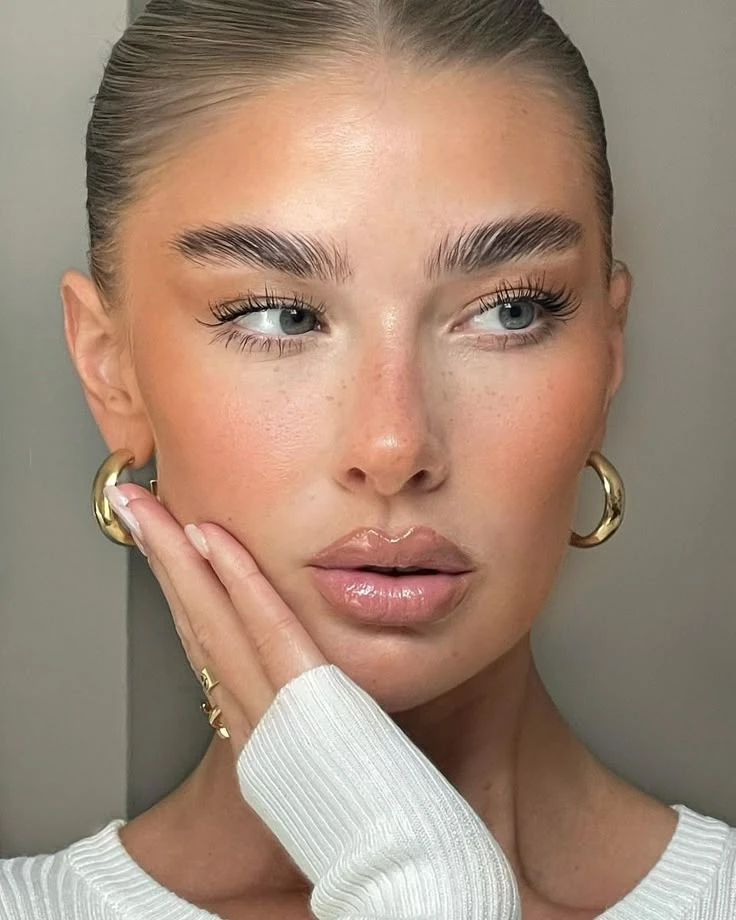
- Carefully applied makeup
- Extensive skincare routines
- perfectly executed hairstyles
- an extremely controlled image
And that contradiction began to generate debate. To understand exhaustion, you first have to understand success.
The clean girl aesthetic emerged at a time when people were looking to simplify their routines after years dominated by heavy makeup, heavy contouring, and overly elaborate trends. The promise was appealing: to look sophisticated, elegant, and natural all at once.
Furthermore, it fit perfectly with phenomena such as quiet luxury, minimalism, and the obsession with well-being.
Clean look fatigue: the problem of permanent perfection
Over time, some content creators began to question certain aspects of this aesthetic. The main criticism is that the clean girl look ended up creating a new standard of perfection.
The skin had to look flawless. The hair couldn’t be frizz-free. The makeup had to appear nonexistent. And everything had to convey a constant sense of order and control.
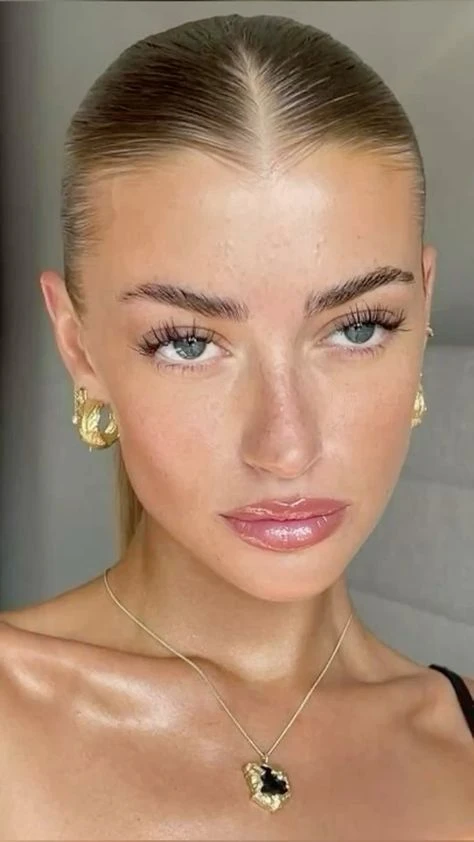
Paradoxically, a trend that began as a way to look natural ended up becoming an image that many people find difficult to maintain. While the clean girl look is starting to show signs of fading, other aesthetics are gaining ground.
Trends such as:
- Girlhood Revival
- Neo Romantic Goth
- Blurred Makeup
- Watercolor Makeup
- Soft Glam
They share something in common: they reclaim color, personality, and individual expression. Fashion and beauty seem to be moving toward a stage where people seek to differentiate themselves more and follow fewer universal formulas.
Social media platforms are experts at creating trends, but also at exhausting them. That’s why more and more videos are appearing where users talk about:
- abandoning aesthetic perfection
- show real skin texture
- use more creative makeup
- experiment with new styles
The conversation is no longer just about looking impeccable, but about feeling represented by the image one projects.
The clean girl aesthetic probably won’t disappear completely. In fact, many of its characteristics will remain present in the beauty world. What seems to be changing is the pressure for everyone to conform to the same beauty standard.
Fashion and makeup are once again embracing experimentation, color, and minor imperfections. And perhaps that’s the true trend of the moment: to stop chasing perfection and start building your own aesthetic.