Although they all share the common goal of being healthy, small adjustments must be made and special attention paid to certain nutrients based on the specific condition.
In this post, we’ll give you a series of recommendations for some of the most common conditions: a diet for diabetics and those with high blood pressure.
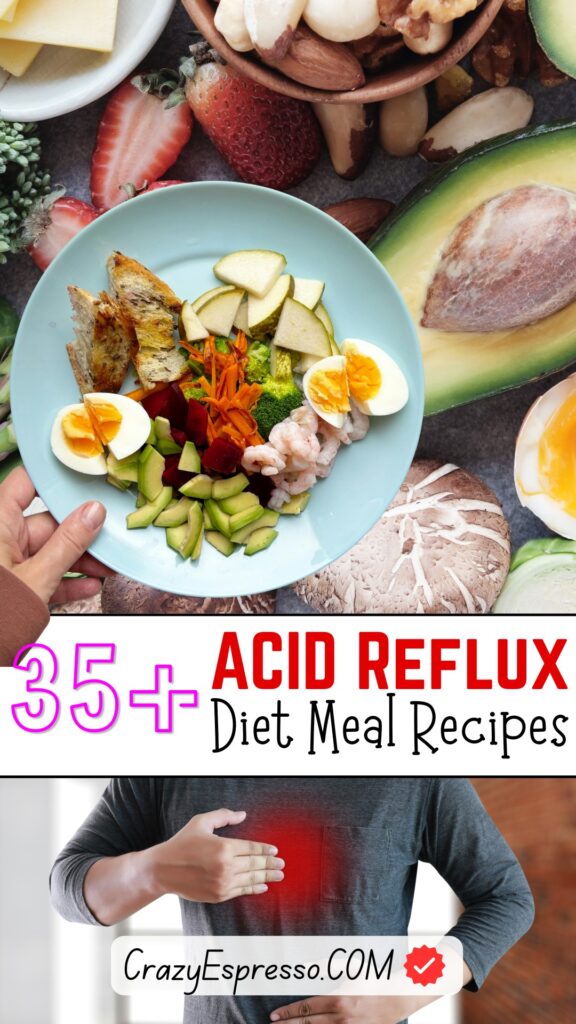
Everyone is different, and this is especially true when we talk about diets for gastroesophageal reflux, esophagitis, and gastritis. What works for one person might not work well for you, could be difficult to follow, or might not be what you should be eating at all.
This is the second post addressing a very common problem that doesn’t always have a quick solution. In this post, we’ll discuss diets for gastroesophageal reflux, esophagitis, and gastritis. We’ll explore the best diets based on your clinical situation, that is, depending on the specific condition or chronic illness you have.
Table of Contents
What does ACID Reflux or GERD Mean?
Esophagitis is a condition in which the esophagus becomes inflamed. Depending on the severity of this inflammation, it can be associated with increased health problems and, above all, difficulty swallowing.
As a consequence of esophagitis, gastroesophageal reflux (GERD) is common. When reflux occurs, stomach contents rise into the esophagus, causing inflammation.
In the case of gastritis, the inflammation occurs in the stomach, in what is known as the pit of the stomach, producing a characteristic pain that may be accompanied by nausea and loss of appetite.
Esophagitis, gastritis, and GERD share common symptoms that result from irritation of the lining, primarily due to contact with stomach acid or surface damage. There are certain foods and habits we should avoid if we want to prevent these conditions, as they contribute to or exacerbate them:
- Avoid consuming alcohol, tobacco, or irritating foods such as pepper, coffee, chocolate, mint, and foods very high in fat. All of these promote relaxation of the upper esophageal sphincter (the valve that separates the esophagus from the stomach), allowing stomach contents to rise into the esophagus.
- In conditions such as obesity, being overweight, or even in special situations like pregnancy, the likelihood of gastroesophageal reflux increases due to the rise in intra‑abdominal pressure.
Here’s a list of tips to improve digestion and prevent worsening of the condition if you suffer from esophagitis, gastritis, or reflux:
| Tip | Explanation / Action |
|---|---|
| Maintain a varied and balanced diet | High in fruit, vegetables, and fiber from whole grains (whole grain versions, although healthier, are harder for people with these conditions) and legumes. |
| Dairy products | They are best. |
| Choose fruits and vegetables wisely | The best‑tolerated fruits are those that are fully ripe or stewed. Unripe, citrus, and acidic fruits are less well‑tolerated (oranges, tangerines, lemons, pineapple, etc.). Vegetables are better tolerated when cooked or pureed than raw. |
| Avoid foods that relax the lower esophageal sphincter | Pepper and spices, garlic, onions, cilantro, chocolate, alcohol, fats (fried foods), carbonated drinks, citrus fruits, tomatoes, and mentholated products. |
| Avoid coffee | This increases stomach acidity and is a stimulant. You can replace it with herbal teas such as chamomile, anise, or lemon balm. |
| Avoid foods that irritate the lining | Certain spices (vinegar, pepper, paprika, chili peppers, etc.) and acidic foods (tomatoes, citrus fruits, or juices). |
| Eat lighter meals | Try to eat lighter meals that don’t leave you feeling overly full. It’s best to eat small meals throughout the day to avoid bloating. |
| Eat foods rich in omega‑3 fatty acids | For example, salmon and mackerel. They have anti‑inflammatory properties. |
| Don’t lie down immediately after eating | – |
| Don’t smoke or drink alcohol | – |
| Eat dinner at least two hours before going to bed | You can sleep with your head slightly elevated to reduce the risk of reflux. |
| Opt for light cooking methods | Steaming, microwaving, cooking en papillote, baking, boiling… |
| Avoid very cold or very hot foods | Foods that are very cold or very hot irritate the lining of the esophagus. Therefore, you should avoid them. |
| Weight loss | If you are obese or overweight. |
Example Daily Menu for Gastroesophageal Reflux, Gastritis, and Esophagitis
| Meal | Description |
|---|---|
| BREAKFAST | Oatmeal with chopped pear |
| MID‑MORNING | 1 sugar‑free, fat‑free yogurt with 1 ripe banana |
| LUNCH | Baked sea bass with sweet potato and pumpkin cubes |
| AFTERNOON SNACK | Baked apple |
| DINNER | Mashed potato and zucchini with chicken breast en papillote |
| NOTE | Add 1 tablespoon of olive oil to lunch and dinner |
35+ Acid Reflux Diet Meal Recipe Names
Here is a numbered list of 35+ recipe names (only names) suitable for an acid reflux / GERD / gastritis / esophagitis diet (low‑acid, non‑irritating, low‑fat, light cooking methods).
- Oatmeal with Chopped Pear
- Sugar‑Free, Fat‑Free Yogurt with Ripe Banana
- Baked Sea Bass with Sweet Potato and Pumpkin Cubes
- Baked Apple
- Mashed Potato and Zucchini with Chicken Breast en Papillote
- Steamed Cod with Carrot Puree
- Baked Chicken Breast with Mashed Cauliflower
- Oatmeal with Stewed Apple and Cinnamon
- Low‑Fat Cottage Cheese with Ripe Pear
- Baked Turkey Breast with Zucchini Noodles (Steamed)
- Rice Porridge (Congee) with Shredded Chicken
- Mashed Sweet Potato with Poached Egg
- Baked Hake with Boiled Potatoes and Green Beans
- Chamomile Tea with Rice Cakes
- Steamed Zucchini and Carrot Soup (Pureed)
- Baked Salmon with Mashed Pumpkin
- Oatmeal with Mashed Banana
- Low‑Fat Yogurt with Honey (Small Amount)
- Baked Cod with Fennel and Potato Wedges
- Rice Pudding (Low‑Fat Milk, No Citrus)
- Steamed Egg Custard (Chawanmushi style)
- Baked Turkey Meatballs (No Spices) with Pureed Broccoli
- Mashed Potatoes with Steamed White Fish
- Oatmeal with Stewed Peaches
- Baked Sweet Potato with a Dollop of Low‑Fat Yogurt
- Chicken and Rice Soup (Homemade, Low‑Fat)
- Steamed Green Beans with Shredded Turkey
- Banana and Rice Cake Snack
- Baked Pears (No Sugar)
- Mashed Lentils (Well‑Cooked, No Spices) with Boiled Chicken
- Steamed Eggplant Puree with Olive Oil
- Baked Zucchini Boats Stuffed with Lean Ground Turkey
- Herbal Tea (Lemon Balm, Anise) with Plain Biscuits (Low‑Fat)
- Steamed Broccoli and Potato Mash
- Baked Chicken Thigh (Skinless) with Steamed Carrots
- Oatmeal with Unsweetened Almond Milk and Ripe Pear
- Baked Tofu (Plain) with Mashed Avocado (Small Amount)
- Low‑Fat Ricotta Cheese with Stewed Plums