The pescatarian diet is a fairly popular diet that allows the consumption of fish and dairy products, but excludes meat. But what is a pescatarian? What exactly is a pescatarian diet? What are its benefits? In this article, we’ll answer all these questions and also give you some recipe ideas if you’d like to try the diet.
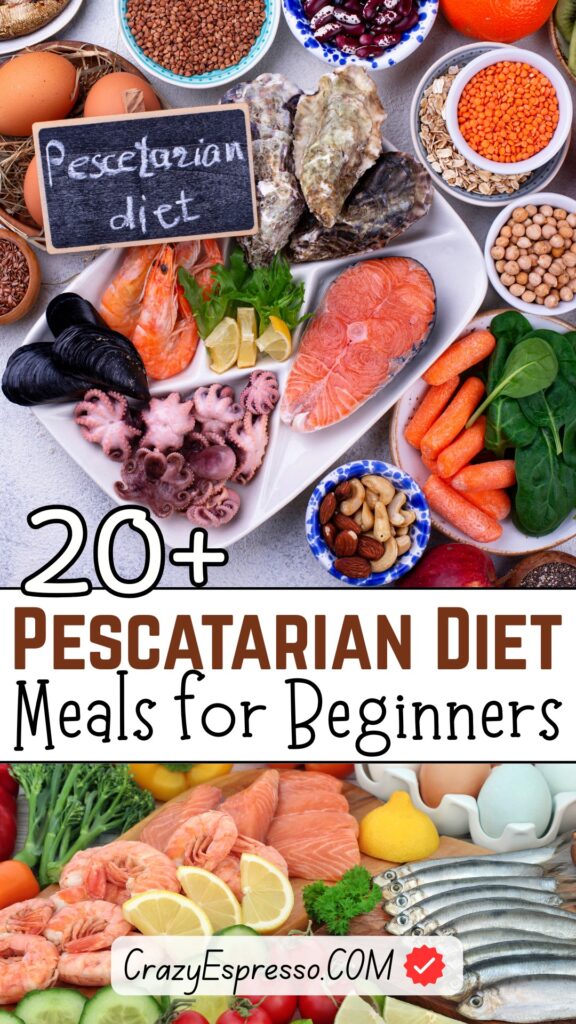
What is a Pescatarian? A pescatarian is a person who follows a diet that does not allow the consumption of meat, but does allow fish.
Table of Contents
What is a Pescatarian Diet?
A pescatarian diet is based primarily on the consumption of vegetables and fish, aiming to provide a range of health benefits while also helping the environment.
It’s considered a variation of the vegetarian diet, but unlike a completely vegetarian diet, it can be a bit easier to meet protein requirements because fish is higher in protein.
What Can You Eat on a Pescatarian Diet?
- Dairy (although some pescatarians exclude dairy sources)
- Fish
- Fruits
- Grains and Seeds
- Legumes
- Seafood
- Vegetables
Recipes for Pescatarians (2 Best Recipes)
1) Salmon with Pesto
Ingredients
| Quantity | Ingredient |
|---|---|
| 4 (150g each) | salmon fillets |
| 3 tbsp | pesto sauce |
| 400g | snow peas |
| 400g | broccoli |
| 1 bundle | asparagus |
| 300g | cherry tomatoes |
| 2 tbsp | olive oil |
| ½ tsp | salt |
| ¼ tsp | pepper |
| 1 tsp | oregano |
Step-by-Step Instructions:
- Preheat the oven to 200°C (400°F).
- Place the salmon fillets on a baking tray lined with parchment paper.
- Spread 1 tbsp of pesto sauce over each salmon fillet.
- Arrange the snow peas, broccoli, asparagus, and cherry tomatoes around the salmon.
- Drizzle with olive oil and sprinkle with salt, pepper, and oregano.
- Bake for 12–15 minutes, until the salmon is cooked through and flakes easily.
- Serve warm.
2) Spinach Pancakes with Salmon
Ingredients
| Quantity | Ingredient |
|---|---|
| 120g (2 scoops) | Protein Pancake Mix |
| 1 handful | spinach (about 30g) |
| ½ tsp | coconut oil |
| 100g | smoked salmon |
| 150ml | light cooking cream |
| 1 tsp | chopped chives |
| 100ml | almond milk |
Step-by-Step Instructions:
- In a blender, combine the protein pancake mix, spinach, almond milk, and light cooking cream. Blend until smooth.
- Heat the coconut oil in a non‑stick pan over medium heat.
- Pour a small amount of batter into the pan to form pancakes. Cook for 1–2 minutes until bubbles appear, then flip and cook for another minute.
- Stack the pancakes on a plate.
- Top with smoked salmon and sprinkle with chopped chives.
- Serve immediately.
20+ Pescatarian Diet for Beginners
Here is a numbered list of 20+ pescatarian recipe names (only names) suitable for beginners.
- Baked Salmon with Pesto and Vegetables
- Spinach Pancakes with Smoked Salmon
- Grilled Tuna Steak with Quinoa Salad
- Cod and Vegetable Baked Parcels (en Papillote)
- Sardine and Tomato Pasta (Whole Wheat)
- Mackerel Pâté on Whole‑Wheat Toast
- Shrimp and Avocado Salad with Lime Dressing
- Creamy Salmon and Broccoli Soup (Low‑Fat)
- Tuna and White Bean Salad (No Mayonnaise)
- Baked Hake with Lemon, Capers, and Roasted Asparagus
- Seafood Stir‑Fry (Prawns, Squid, Mussels) with Brown Rice
- Lentil and Sardine Tomato Stew
- Grilled Halloumi and Zucchini Skewers (with fish side)
- Smoked Mackerel and Beetroot Salad
- Crab and Avocado Lettuce Wraps
- Coconut and Lime Poached Cod with Sweet Potato Mash
- Anchovy and Olive Whole‑Wheat Pizza (Light Cheese)
- Tuna and Chickpea Burger (No Bun, Lettuce Wrap)
- Baked Trout with Herbs and Steamed Greens
- Sardine and Egg Breakfast Plate (with Cherry Tomatoes)
- Miso Glazed Salmon with Bok Choy
- Prawn and Vegetable Curry (Light Coconut Milk)
- Oven‑Roasted Sea Bass with Fennel and Orange
- Smoked Salmon and Cream Cheese Roll‑Ups (Lactose‑Free Optional)
- Tuna and Egg Stuffed Bell Peppers (No Rice)
Benefits of the Pescatarian Diet
- Rich in protein: Fish is rich in protein, which is a very important macronutrient for satiety and muscle mass. Increased satiety (the feeling of fullness after a meal) can help reduce snacking between meals and maintain a low‑calorie diet. Muscle mass is also important for long‑term weight loss and for some physiological functions such as strength, metabolic control, and aesthetics.
- Rich in Omega‑3: Oily fish like salmon and mackerel are a very good source of omega‑3, which is linked to improved cardiovascular function and other health benefits, such as glucose tolerance and reduced blood pressure.
- Low in calories: White fish like cod and pollock are low in calories and, at the same time, high in protein. For example, 100g of cod provides 20g of protein for only 82 kcal. Maintaining a calorie intake below total energy expenditure results in a negative energy balance, which is key for long‑term weight loss.
- Rich in micronutrients: Fish and seafood are rich in some healthy vitamins and minerals that can often be lacking in a conventional vegetarian diet, such as calcium, vitamin B12, and iron.
Potential Drawbacks of the Pescatarian Diet
- Ethical considerations of fish farming: Many people choose to follow a vegetarian diet for ethical reasons, but there is also a growing concern regarding the environmental sustainability of fish farming. Check the nutrition label of the fish you buy to ensure it is sustainably farmed. The label should bear the MSC (Marine Stewardship Council) logo.
- Contaminants: Oily fish can contain contaminants that accumulate in the body. For this reason, the National Health Service recommends limiting oily fish consumption to no more than two servings per week for pregnant women.