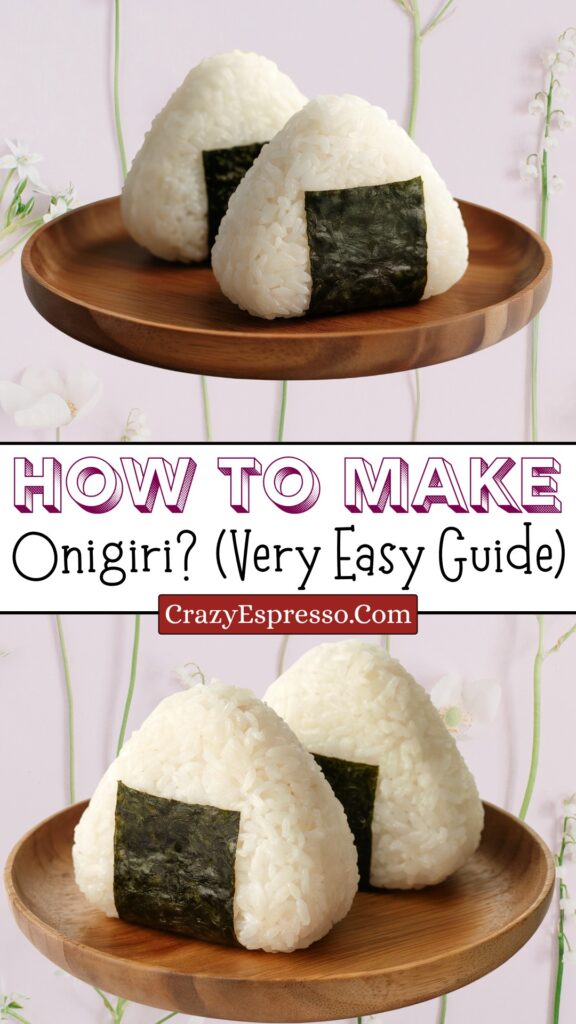
Onigiri is a comforting, portable snack made from sticky rice. You can eat it plain, but it’s even better when stuffed with a savory filling. It’s not the same as sushi. Sushi has vinegar. Onigiri does not. It’s simply soft rice, often wrapped in a strip of seaweed (nori), and shaped into a triangle or ball.
I’m Fatima. Onigiri is one of my favorite things to make. It’s simple, cheap, and perfect for a packed lunch. My first few attempts fell apart because I used the wrong rice, but once you learn the basics, you’ll be making these delicious rice balls with confidence.
Choosing the Right Rice
This is the most important step. Using the wrong rice will cause your onigiri to crumble.
- Use Short-Grain or Medium-Grain Japanese Rice: This rice is sticky when cooked, which helps the rice ball hold its shape. Sushi rice is a great choice because it’s sticky and holds together well.
- Do Not Use Long-Grain Rice: Varieties like jasmine or basmati are too dry and fluffy. Onigiri made with them will fall apart. You must use either medium grain rice or short grain rice.
Ingredients for the Rice
| Ingredient | Amount | Notes |
|---|---|---|
| Uncooked short-grain/sushi rice | 2 cups | Sushi rice is the stickiest |
| Water | 2 ½ cups | The ratio is about 1 cup of rice to 1¼ cups of water |
| Salt | For your hands | You will use salt to season your palms, not the pot |
📝 Notes on the Ingredients: The rice-to-water ratio for onigiri is roughly 1:1.25. For 2 cups of rice, use about 2½ cups of water. Always rinse the rice 2-3 times before cooking until the water runs clear to remove excess starch {[7†L15-L16]}.
Popular Onigiri Fillings
The filling is the best part. A survey found that salmon (sake) is the most popular filling in Japan, followed by tuna mayonnaise. Here are some easy options to try:
Pro Tip: Do not overstuff the rice balls. Use about 1-2 teaspoons of filling per onigiri. If the filling is too oily or watery, it will cause the rice to lose its stickiness and the ball will not hold its shape.
Step-by-Step Instructions: How to Make Onigiri
1. Cook and Cool the Rice
- Rinse the rice under cold water until the water runs clear.
- Cook according to your rice cooker instructions or on the stove.
- Once cooked, let the rice sit for 10 minutes to finish steaming. Then, transfer it to a large bowl to cool down. It needs to be cool enough to handle, but still warm and steamy.
2. Season Your Hands
- Fill a small bowl with cold water. Pour a spoonful of salt into your palm.
- Rub your hands together to spread the salt and water across your palms and fingers. This prevents the sticky rice from sticking to your hands and adds a mild flavor.
3. Shape and Fill
- Scoop a handful of warm rice (about ½ cup) into your wet palm.
- Flatten it slightly and use your thumb to create a small dent or well in the center.
- Place your chosen filling (about 1-2 teaspoons) into the dent.
- Gently fold the rice over the filling, covering it completely. Use your palms to gently press and shape the rice into a triangle, ball, or cylinder. Gently squeeze the rice ball in one hand, and use the other flattened hand to form each corner of the triangular shape. Rotate the onigiri accordingly to mould each corner.
🤏 The Secret to Perfect Shaping
The most important rule when shaping onigiri is to take care not to compact the rice too firmly. Press until the grains just hold together. If you squeeze the rice too hard, your onigiri will be dense and tough. If you press too lightly, the rice will fall apart. The right amount of pressure ensures the onigiri stays intact without being overly compact.
🛠️ Use a Mold for Perfect Triangles (Easier!)
If shaping by hand seems tricky, you can use an onigiri mold. It guarantees a perfect triangle every time.
- Sprinkle a little salt into the mold.
- Scoop some rice into the bottom of the mold and press lightly.
- Place your filling in the center.
- Add more rice on top of the filling.
- Press the lid down firmly, then tap the mold to release the finished onigiri.
The Plastic Wrap Trick
Many people in Japan now shape their onigiri using plastic wrap because it’s more hygienic.
- Lay a piece of plastic wrap on the counter and sprinkle with salt.
- Place the rice in the center and flatten it.
- Add the filling, then use the wrap to fold the rice over it.
- Twist the wrap to seal and use your hands to press it into the desired shape through the plastic.
🍙 How to Wrap with Nori (Seaweed)
- Use a piece of nori (roasted seaweed). You can wrap the whole onigiri or just a strip around the bottom so it’s easier to hold.
- If you want a nutty flavor, quickly wave the nori over an open flame for 5 seconds to toast it.
Important: Do not wrap the onigiri in nori until you are ready to eat it. The moisture from the rice will make the nori soft and chewy. If you are making them for lunch, keep the nori and the rice ball separate, and wrap them right before eating.
Video Guide 📺
Serving Suggestions
- With Miso Soup: A classic and warming Japanese breakfast or lunch.
- As a Bento Box Star: Pack them in a lunchbox with some pickles, cherry tomatoes, and a hard-boiled egg.
- With Green Tea: The survey found it’s a very common pairing!
- Yaki Onigiri (Grilled Rice Ball): Brush the shaped onigiri with a little soy sauce and grill them in a pan until crispy.
Pro Tips & Common Mistakes to Avoid
Do This ✅
- Use short-grain Japanese rice: This is non-negotiable. It is the glue that holds the onigiri together.
- Keep your hands wet: This is the golden rule. Wet hands prevent rice from sticking.
- Cool the rice slightly: Let the steamed rice sit for 10-15 minutes before shaping. If the rice is too hot, it will be too sticky. If it’s cold, it won’t stick together at all.
- Use a gentle touch: Do not squeeze the rice too hard! The grains should just hold together.
- Wrap nori at the last second: This keeps the seaweed perfectly crispy and adds a nice nutty contrast to the soft rice.
Avoid That ❌
- Using long-grain or jasmine rice: Your onigiri will be a crumbly mess.
- Shaping the rice while it’s boiling hot: It will be a sticky, painful disaster.
- Over-stuffing the onigiri: A little filling goes a long way. Too much will cause the ball to burst.
- Letting the nori get soggy: If you wrap it too early, it will become chewy. Always separate the nori until serving time.
- Adding too much salt to your hands: A little helps flavor the rice. Too much will make your onigiri taste too salty.
Nutrition Facts (Per 1 triangle onigiri)
| Nutrient | Amount |
|---|---|
| Calories | 130~160 kcal |
| Protein | 3 g |
| Fat | 1 g |
| Carbohydrates | 33 g |
| Fiber | 1 g |
| Sodium | 300 mg (depending on salt) |
Frequently Asked Questions
How long do onigiri last?
Onigiri are best eaten fresh on the same day they are made. The rice can become hard if left in the fridge. If you need to store them, wrap each one tightly in plastic wrap and keep at room temperature for a few hours.
Can I freeze onigiri?
Yes. Wrap the shaped, unfilled rice balls tightly in plastic wrap. Place them in a freezer bag and freeze. To thaw, microwave for 1-2 minutes. You can add the filling after reheating.
What is the best rice for onigiri?
Short-grain rice or sushi rice. These varieties have the perfect amount of starch to be sticky, which allows the onigiri to hold its shape.
My onigiri fell apart. Why?
The most common reason is using the wrong type of rice (like jasmine or basmati) because these varieties don’t stick together. You must use short-grain rice. Overstuffing and not pressing the rice gently enough can also cause this problem.
Can I use a cookie cutter to shape onigiri?
Yes, a large circular cookie cutter or a small bowl can work as a makeshift mold. Just pack the rice in gently and tap it out.
Do I have to add vinegar to the rice like sushi?
No. Onigiri is different from sushi. Onigiri is plain, lightly salted rice. Sushi rice has sugar and vinegar added to it. Do not add sushi vinegar to onigiri rice.
Final Thoughts
Making onigiri is a simple joy. It connects you to a tradition of making something delicious and portable with just a few ingredients.
The most important rule is to not overthink it. Use the right rice, keep your hands wet, and press gently. Once you master the triangle, you can try mixing furikake seasoning directly into the rice or grilling them for a crispy snack.