Cinema is born from photography; from the search for “the perfect moment” 24 times per second. It’s clear that cinema borrows many elements from photographic technique to evolve and develop its own.
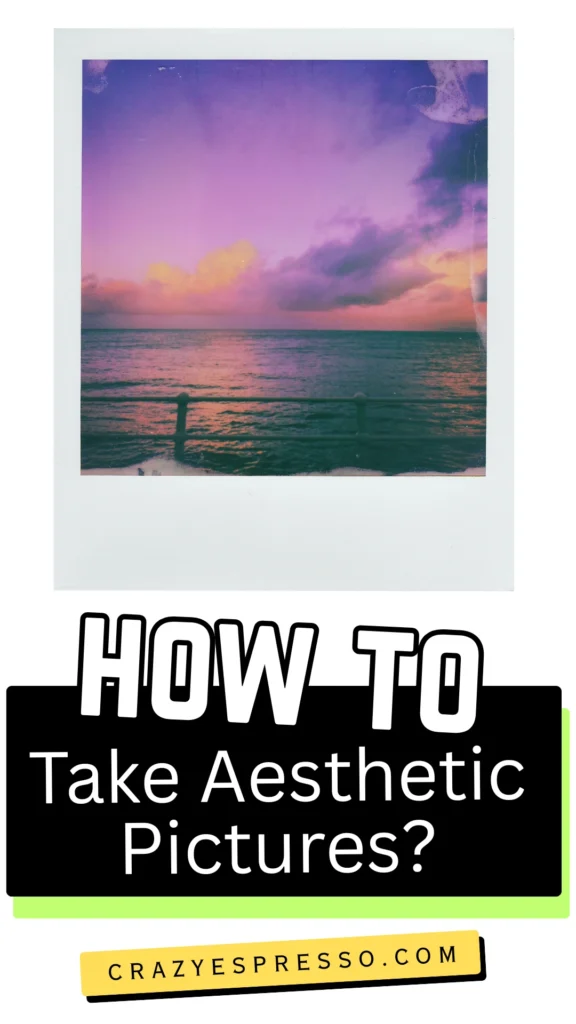
But photographers have also learned to find value in those stylistic elements that cinema proposes and that photography can utilize for its narrative.
As we mentioned some time ago, the world of artistic photography has incorporated a cinematic feeling and influence, with photographers like Gregory Crewdson and Erwin Olaf. This has led to large-scale productions where a single shot tells true stories worth more than a thousand words.
Other photographers have adopted a more stylistic approach from cinema, as have photographers like Liam Wong and Watashi Makui. These photographers start from urban photography and, through color, envelop us in a cinematic feeling.
Therefore, for those photography enthusiasts who want to give their images a more cinematic style, we bring you these tips to create a more film-like look in your shots. I hope you find them very useful.
Along
The format is something unique to the world of cinema. Before smartphones, the custom was always to watch videos and movies in landscape format. But nothing evokes cinema like the widescreen formats of this art form. So, for that, formats like 1.37 (11:8), 1.77 (16:9), and 2.35 (21:9) are used.
By using aspect ratios like these, the image immediately begins to move away from conventional photography, which typically uses 1:1, 2:3, and 3:4 formats. And, if you want to further emphasize the format, you can add black bars to the top and bottom of the image.

This use of panoramic and Cinemascope formats can greatly enhance landscape shots, making spaces appear much larger. In portrait and urban photography, it helps emphasize the relationship between the subject and the space and can also be a very powerful format for focusing on elements such as the eyes.
Smoothness
One of the characteristics people often associate with film is the softness of the image, unlike photography, which typically seeks a strong sense of sharpness and texture.
Film often feels a bit ‘softer’ or out of focus because the images are filmed with motion blur. This is why photography often exaggerates this blur to emphasize the movement of an object.

This soft, mellow effect can be achieved through the type of lenses used (low-resolution optics), shooting at the limit of the optimal shutter speed, or even reducing the clarity level in post-production. Diffused lighting also contributes to the effect.
The developing
The developing process is the opportunity to add the finishing touches that make a photograph look like a still from a film. While this must also stem from the photographer’s creative vision, there are conventions that can be drawn from the way we experience cinema to enhance the cinematic feel.
The first point is that when we watch a movie in a theater, we’re seeing lights projected onto a reflective screen. The reflected light washes out the black levels, so we never see pure black, nor do we see a stark white because the eye adapts to the screen’s lighting.
So, a key technique is to use the curves panel in RAW processing or Photoshop. By raising the base black level, you can wash out the image a bit, and then lower the white level until you achieve a light gray tone.

We’ll also encounter color. It’s the most subjective aspect of all, but just like with color codes, we tend to find patterns. A warmer, more sepia tone on the image will give us a more nostalgic and vintage feel. While a greener, more acidic tone can make us feel like we’re in a futuristic or depressing space. Another method for achieving more cinematic tones is the use of LUTs in Photoshop.

If you want to add more effect to the shot, you can add a grain texture in Photoshop or using the developer tool. This is based on the conventions of watching movies on the big screen, where enlarging the image (in the era of film) made the grain more noticeable than it is in a photograph from that same period.

References

Finally, one of the main suggestions is to collect film stills. Don’t just watch the films, but pick up frames and analyze them in terms of light, color, and texture. This will help you emulate a cinematic style in your photographs.