Today, it is known that diet is at the root of many of our health problems. In this paper, we will discuss the alkaline diet, which is based on the theory that some foods (meats, dairy, eggs, and processed foods) cause an increase in acid production in the body, while others (fruits, vegetables, and legumes) produce alkaline products.
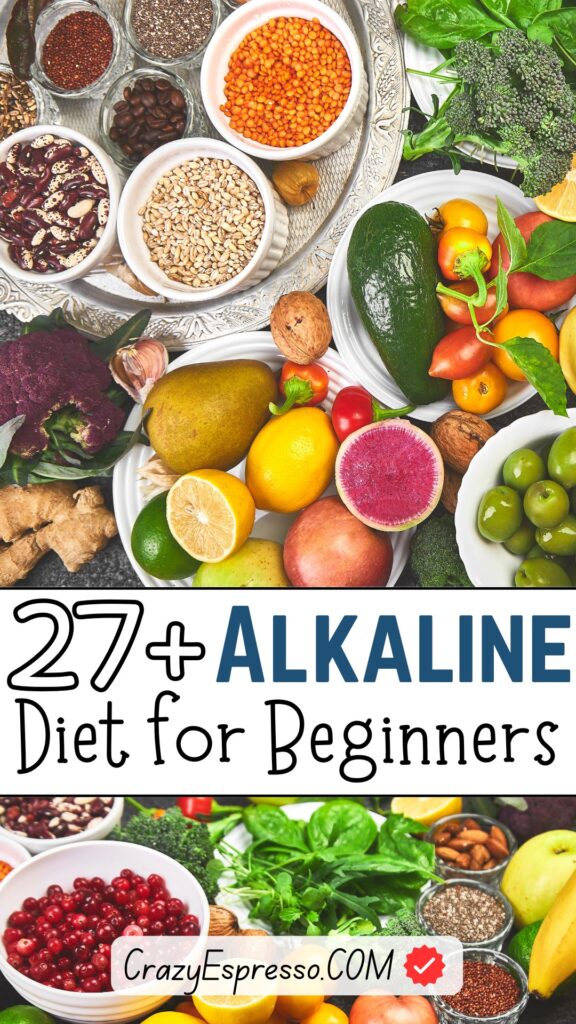
By reducing acidity, this diet claims to promote optimal health, since high‑acid diets can contribute to the formation of kidney stones; furthermore, alkalizing the diet may be beneficial for bone health.
Although more long‑term studies are needed, there is evidence of the effect of a potassium‑rich diet and a reduced acid load on maintaining muscle mass.
Diet‑induced acidosis could be a potential trigger for molecular events associated with carcinogenesis. Although scientific evidence in this area is currently limited, it is being increasingly studied for its potential beneficial effects on health.
Therefore, we could say that it would be prudent to consider an alkaline diet to reduce the morbidity and mortality of chronic diseases affecting our population.
Table of Contents
What are the Chronic Diseases?
Currently, awareness of chronic diseases has sparked public interest in what people eat and, consequently, in following diets, of which there are many and varied.
One of these is the alkaline diet, whose popularity has been increasing, with over 2.4 million Google searches on the topic in 2016. To understand this diet, which is based on acid‑base balance, that is, pH, let’s look at what “potential of hydrogen” means.
The activity of hydrogen atoms determines acidity and alkalinity. The pH scale ranges from 0 to 14, where 7 corresponds to a neutral value; any pH value below 7 is considered acidic, and any value above 7 is considered alkaline.
The body has strictly controlled systems to maintain these levels. Diets rich in sodium and chloride promote an acidic environment, while diets rich in potassium and bicarbonate promote an alkaline environment.
To give you an idea, in the last 100 years, with the rise of industrialization, the ocean’s pH has decreased by one‑tenth (from 8.2 to 8.1) as a consequence of increased CO₂ emissions, which has a negative impact on marine life.
Soil pH also influences the mineral content of the food we eat. At pH levels outside this range (6‑7), the bioavailability of nutrients for plants decreases considerably.
Thus, at a pH below 6, ions such as calcium and magnesium are restricted in their absorption, and at a pH above 7, the soil experiences an enrichment of iron, magnesium, copper, and zinc, but these are not chemically available.
Regarding pH and net acid load in the human diet, there has been a considerable change from hunter‑gatherer civilization to the present. The agricultural revolution brought about a dietary shift characterized by a decrease in potassium (K) relative to sodium (Na) and an increase in chloride relative to bicarbonate.
More precisely, the potassium‑to‑sodium ratio has reversed, as the previous K/Na ratio was 10:1, while the modern diet has a ratio of 1:3. Therefore, our findings suggest that a pre‑agricultural diet may also reduce inflammation and oxidative stress through various mechanisms.
This diet contained three times more vegetables than the current Western diet and therefore three times as many antioxidants. It was high in protein with a low glycemic index, meaning it raised blood glucose slowly.
The traditional Mediterranean diet has a somewhat alkalizing character (rich in fruits and vegetables, with reduced meat consumption and high consumption of olive oil). Thus, current diets are low in magnesium, potassium, and fiber, and at the same time, high in saturated fat, simple sugars, sodium, and chloride compared to the pre‑agricultural period.
Following these diets long‑term can induce metabolic acidosis, a characteristic that does not align with our genetically determined nutritional needs associated with development. Some studies in this area suggest that a chronic acid load in the diet is implicated in the etiology of many chronic diseases.
27+ Alkaline Diet Recipe Names
Here is a numbered list of 27+ Alkaline Diet Recipe Names (only names, as you requested). These are low‑acid, plant‑forward, alkalizing recipes suitable for beginners.
- Green Spinach and Banana Smoothie (with Almond Milk)
- Quinoa Salad with Cucumber, Tomato, and Lemon Dressing
- Steamed Broccoli with Toasted Almonds
- Roasted Sweet Potato and Kale Bowl
- Avocado and Chickpea Wrap (Whole Wheat)
- Alkaline Lentil Soup with Carrots and Celery
- Zucchini Noodles with Pesto (No Cheese)
- Grilled Portobello Mushroom Burger (No Bun)
- Mixed Berry and Chia Seed Pudding (with Coconut Milk)
- Cucumber and Mint Alkaline Water Infusion
- Baked Asparagus with a Squeeze of Lemon
- Brown Rice and Black Bean Salad with Cilantro
- Raw Kale and Apple Salad with Tahini Dressing
- Cauliflower Rice Stir‑Fry with Turmeric
- Alkaline Green Juice (Cucumber, Celery, Spinach, Lemon)
- Baked Eggplant Slices with Tomato and Basil
- Coconut Yogurt with Fresh Berries and Pumpkin Seeds
- Steamed Artichokes with Lemon‑Garlic Dip (No Dairy)
- Alkaline Oatmeal (with Cinnamon, Pear, and Hemp Seeds)
- Roasted Bell Peppers Stuffed with Quinoa and Spinach
- Creamy Avocado and Lime Dressing (for Salads)
- Alkaline Vegetable Broth (Carrots, Onion, Celery, Turmeric)
- Baked Cinnamon Apples (No Sugar)
- Watermelon and Mint Salad
- Alkaline Hummus (Chickpeas, Tahini, Lemon, No Garlic)
- Steamed Green Beans with Slivered Almonds
- Alkaline Tabbouleh (Parsley, Mint, Tomato, Quinoa, Lemon)
- Roasted Cauliflower with Turmeric and Black Pepper
- Alkaline Chia Fresca (Water, Chia Seeds, Lime Juice, Stevia)
- Baked Pears with Cinnamon and Walnuts
Alkaline Foods (Eat more)
| Food Group | Examples |
|---|---|
| Fresh fruits and vegetables | Leafy greens, citrus fruits, berries, root vegetables |
| Whole grains | Quinoa, brown rice, oats |
| Nuts | Almonds, chestnuts |
| Legumes | Lentils, chickpeas, beans |
| Healthy fats | Olive oil, avocado |
Acidic Foods to Limit
| Food Group | Examples |
|---|---|
| Meats | Beef, lamb |
| Dairy | Milk, cheese, butter |
| Eggs | Whole eggs |
| Processed foods | Fast food, packaged snacks |
| Refined sugars | Soda, candy, pastries |
Food pH Chart (General guide – based on article context)
| Food / Beverage | Approximate pH | Acidic / Alkaline |
|---|---|---|
| Lemon juice | ~2.0 | Acidic (but metabolizes alkaline) |
| Soda | ~2.5 | Acidic |
| Coffee | ~5.0 | Acidic |
| Meat | ~5.5 | Acidic |
| Dairy | ~6.5 | Slightly acidic |
| Water (pure) | 7.0 | Neutral |
| Green vegetables | ~7.5 | Alkaline |
| Spinach | ~8.0 | Alkaline |
| Baking soda solution | ~8.5 | Alkaline |
Tips for Following the Diet
- Drink alkaline water (pH 8‑9) if available.
- Eat more vegetables – aim for 5‑7 servings daily.
- Reduce processed foods – avoid packaged snacks, fast food, and refined sugars.
- Limit meat, dairy, and eggs – treat them as occasional sides, not main courses.
- Include legumes and whole grains – they provide alkalizing minerals.
- Use olive oil as your primary fat source.
- Avoid sodas and sweetened beverages – they are highly acidic.
Conclusion
Scientific evidence in this area is limited, but it is being studied more and more due to its potential health benefits.
Therefore, we could say that it would be prudent to consider an alkaline diet to reduce the morbidity and mortality of chronic diseases that are affecting our population.