How much you eat is just as important as what you eat.
In general, avoid eating until you feel full. Use smaller plates or bowls to help control your food portions.
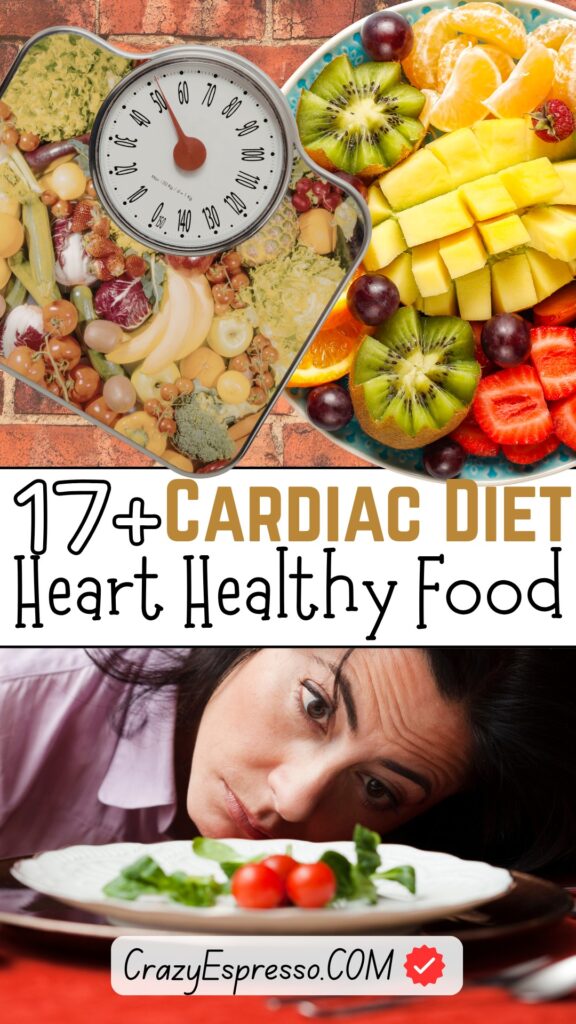
Eat larger portions of low-calorie but nutrient-rich foods, such as fruits and vegetables, and smaller portions of high-calorie or high-sodium foods, such as processed foods or fast food.
Estimate the amount of food you consume. For example, a recommended serving of pasta is about 1/3 to 1/2 cup.
Table of Contents
Eat More Vegetables and Fruits
Vegetables and fruits are good sources of vitamins and minerals. They are also low in calories and high in dietary fiber, and contain substances that may help prevent cardiovascular disease.
Keep washed and cut vegetables in the refrigerator for quick snacks. Choose recipes that have vegetables or fruits as main ingredients, such as vegetable dishes or fresh fruit salads.
How to eat fruits and vegetables?
- Fresh or frozen
- Canned vegetables with low sodium
- Canned fruit in its own juice or water
What do you need to limit in your diet?
- Coconut shells
- Vegetables with creamy sauces
- Fried vegetables
- Canned fruit packed in syrup
- Frozen fruits with added sugar
Include Whole Grains in Your Diet:
Whole grains are good sources of fiber and nutrients that play an important role in regulating blood pressure and heart health. Try quinoa or barley, which are good sources of fiber for a heart-healthy diet.
What kind of grains to choose?
| Choose (Yes) | Avoid (No) |
|---|---|
| Whole wheat flour, whole wheat bread | White, refined flour |
| Whole grains such as brown rice, barley, and buckwheat | White bread |
| Whole wheat pasta | Muffins |
| Oatmeal | Corn |
| – | Donuts |
| – | Cookies with added fat |
| – | Cakes |
| – | Fideuà de ou |
| – | Popcorn |
21+ Cardiac Diet Recipes (Heart Healthy Food) – Recipe Names
Here is a numbered list of 21+ recipe names (only names) suitable for a heart‑healthy cardiac diet (low saturated fat, low sodium, rich in fiber, whole grains, lean protein, and healthy fats).
- Grilled Salmon with Steamed Asparagus
- Quinoa and Black Bean Bowl with Avocado
- Oatmeal with Fresh Berries and Ground Flaxseed
- Baked Chicken Breast (Skinless) with Roasted Sweet Potatoes
- Lentil and Vegetable Soup (Low Sodium)
- Whole‑Wheat Pasta with Tomato and Basil (No Salt)
- Steamed Cod with Lemon and Brown Rice
- Chickpea and Spinach Stir‑Fry (Olive Oil Only)
- Turkey and Zucchini Meatballs (Baked)
- Brown Rice and Barley Pilaf with Mushrooms
- Baked Tofu with Roasted Bell Peppers
- Fresh Fruit Salad with Lime and Mint
- Low‑Fat Yogurt Parfait with Walnuts and Blueberries
- Grilled Mackerel with Mashed Cauliflower
- Vegetable and Lentil Stew (No Salt Added)
- Oven‑Roasted Vegetable Medley (Zucchini, Eggplant, Onion)
- Whole‑Wheat Toast with Mashed Avocado and Tomato
- Bean and Corn Salad (Lemon Juice Dressing)
- Poached Egg on Whole‑Wheat Bread with Spinach
- Baked Hake with Herbs and Steamed Broccoli
- Homemade Vegetable Broth with Quinoa and Kale
- Salmon and Avocado Salad (Olive Oil and Vinegar)
- Oat Bran Pancakes with Fresh Berries
- Steamed Artichokes with Yogurt‑Lemon Dip
- Baked Eggplant Slices with Tomato and Oregano
Limit unhealthy Fats
Limiting the amount of saturated fat is an important step in lowering blood cholesterol and reducing the risk of coronary heart disease. High blood cholesterol levels can lead to plaque buildup in the arteries, called atherosclerosis, which can increase the risk of heart attack and stroke.
You can reduce the amount of fat in your diet by trimming the fat from the meat you eat, or choose lean meat with less than 10% fat. You can also use less butter or margarine when cooking or serving dishes.
Which types of fats to choose:
| Choose (Yes) | Avoid (No) |
|---|---|
| Olive oil | Butter |
| Rapeseed oil | Shortening |
| Vegetable oils and nuts | Cream |
| Nuts, seeds | Margarine |
| Avocado | Cocoa butter, found in chocolate |
| – | Coconut, palm, and cottonseed oils |
Choose Lean Protein Sources
Poultry and fish, low-fat dairy products, and eggs are some of the best sources of protein. But be mindful of your choices: opt for skim milk instead of whole milk and skinless chicken breast cooked in the oven, not fried.
Fish is a good alternative to high-fat meat. And certain types of fish rich in omega-3 fatty acids can lower blood fats called triglycerides. You’ll find the highest amounts of omega-3 fatty acids in cold-water fish, such as salmon, mackerel, and herring. Other sources include flaxseed, walnuts, soybeans, and canola oil.
Vegetables (beans, peas, and lentils) are also an excellent source of protein, making them a good alternative to meat.
Recommended proteins:
| Choose (Yes) | Avoid (No) |
|---|---|
| Low-fat dairy products, such as skim or low-fat (1%) milk, yogurt, and cheese | High-fat dairy products |
| Eggs | Various animal organs, such as chicken liver |
| Fish, especially cold-water fish such as salmon, herring, and mackerel | Pork chops |
| Poultry | Hamburgers and sausages |
| Legumes | Ham |
| Soy and soy products such as tofu | Fried meat |
Reduce the amount of sodium in the foods you eat
High sodium intake can contribute to increased blood pressure, a risk factor for cardiovascular disease. Reducing sodium is an important part of a heart-healthy diet.
Healthy adults do not need more than 2,300 mg of sodium per day (about one teaspoon of salt). While reducing the amount of added salt in your food is a first step toward a healthy heart, much of the salt you consume comes from canned or processed foods, such as soups, sweets, or frozen meals.
Eating fresh foods and preparing your own soups and stews can reduce your salt intake.
Conclusion
Now that you know which foods to include in your diet for a healthy heart and what to avoid, it’s time to put your plans into action.
Create daily menus using the tips listed above. When selecting foods for each meal and snack, emphasize vegetables, fruits, and whole grains. Choose lean protein sources and healthy fats, and limit salty foods. Keep track of your portion sizes and try to vary your meals.
For example, if you have grilled salmon one day, try a vegetable dish the next. This helps ensure you get all the nutrients your body needs.
This article is for informational purposes only and is not a substitute for professional medical advice.