This is a question that roughly half the world’s population asks itself. But to answer this question, we first need to know: what is dandruff? By understanding how the problem works, we can begin to solve it.
What is dandruff?
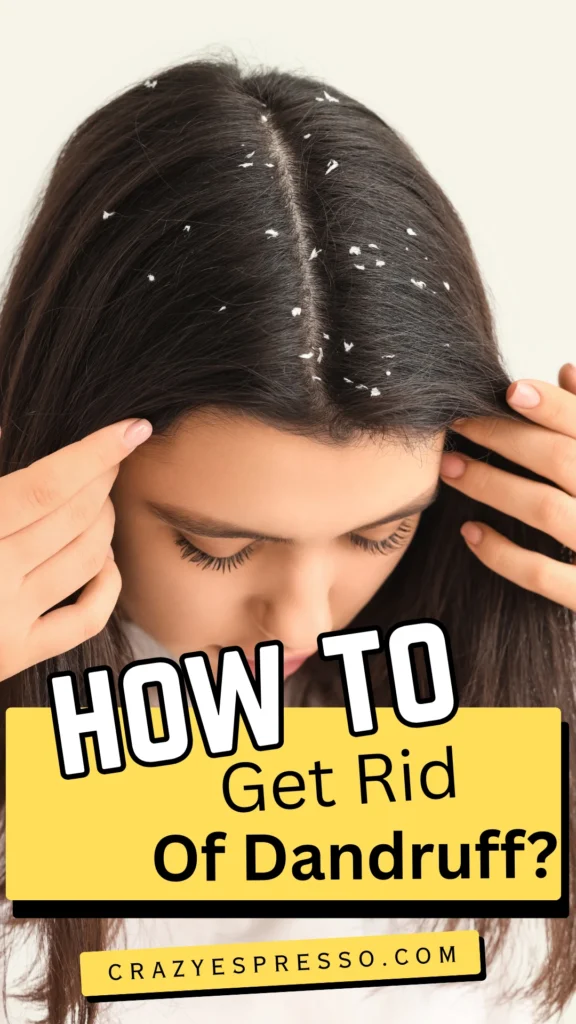
Dandruff is a scalp problem characterized by flaking, itching, and even dryness of the scalp. Dandruff requires more than one factor to appear, as it is related to both patient-related and environmental factors:
- Fungi of the Malassezia species. These fungi are found in parts of our body capable of secreting oil, but an imbalance in the skin’s defenses against the fungus causes Malassezia to grow excessively, altering the scalp’s lipids through its metabolism and causing a skin condition characterized by itching, irritation, and increased flaking.
- Individual susceptibility. Changes in immune response, genetic factors, and increased stress are related to the onset or worsening of dandruff.
- Increased sebum secretion. There is a correlation between a greater amount of oil on the scalp and the appearance of dandruff, although its effect is not as important as that of the other factors.
To control dandruff, it’s important to address all possible contributing factors. Therefore, anti-dandruff formulas typically aim to control the fungal population and sebum secretion, as well as the itching.
There are two types of dandruff: when the hair is clearly oily at the roots, and the dandruff remains close to the scalp, it’s called oily dandruff; while if the hair appears less oily and the dandruff falls onto the shoulders, it’s called dry dandruff.
What products are available to eliminate dandruff?
The most common vehicle for anti-dandruff products is shampoo, as it’s a very convenient way to deliver medication to the scalp through the hair. Anti-dandruff shampoos often contain one or more of the following active ingredients:
- Zinc Pyrithione is a widely used antifungal, as it works very well in shampoos.
- Selenium sulfide: another antifungal agent that also prevents the excessive proliferation of scalp cells. In high concentrations, such as those used in medications, it can cause discoloration of dyed hair. It gives shampoos a very distinctive odor that can be difficult to mask.
- Ketoconazole an antifungal with anti-inflammatory activity and greater residual power than other antifungals, but also with a greater potential to irritate the skin.
- Ciclopirox Olamine is another antifungal and anti-inflammatory, useful for dandruff and seborrheic dermatitis.
- Mild surfactants: shampoos with more aggressive surfactants can dry out the scalp, worsening flaking and itching.
- Lipid products: It is common to add stearic acid and other easily absorbed lipids for the dry scalp, so that the shampoo does not worsen scalp dryness.
- Glycerin: Glycerin helps retain water, thereby improving scalp dryness and discomfort associated with dryness.
- Salicylic acid: Salicylic acid is a keratolytic agent, meaning it accelerates skin exfoliation. So, instead of peeling off gradually over several days, the skin loosens and is washed away in the shower. It also helps reduce skin hyperproliferation and improves scalp itchiness.
- Coal tar: Coal tar is an antifungal, anti-inflammatory, and keratolytic agent that reduces sebum production. It seems like a cure-all, but it’s quite harsh, as it can cause folliculitis, skin atrophy, hyperpigmentation, telangiectasia, sun sensitivity, and irritation. It’s best to use coal tar only under the guidance of a doctor or pharmacist.
The final product you choose may combine one or more of these active ingredients. Depending on the severity of your dandruff and the products you’ve used in the past, one or another may be more suitable. The key is:
- Respect the usage instructions. Some shampoos need to be left on for a while; others need to be rinsed out more quickly. Be careful when rinsing, because leaving shampoo on the scalp can worsen dryness and flaking.
- Be patient. Most shampoos require four weeks to produce a noticeable change.
- Replace the product if you see that it has stopped working.
- Stop using the shampoo if you notice that it irritates, dries out, or worsens your condition.
- See a dermatologist if over-the-counter products don’t help. Conditions that resemble dandruff, such as seborrheic dermatitis or psoriasis, may require other treatments.
Other remedies to get rid of dandruff
On one hand, there are products like exfoliating gels or soothing lotions. Different brands offer various options to complement the basic treatment, but they are almost always just that: supplements that accelerate exfoliation and provide a feeling of freshness and calm to the irritated scalp.
On the other hand, you’ll see several “home remedies“ circulating online that promise to get rid of dandruff completely. Many are based on principles similar to those we’ve explained, such as helping to loosen flakes during washing or preventing fungal growth.
But with home remedies, unlike commercially prepared products, it’s difficult to control the potency, side effects, and cosmetic appeal of the treatment all at once.
For example, you can try applying diluted vinegar to your scalp, but the vinegar smell might linger for a while after rinsing. If you dilute it too much, it won’t work; if you use it too concentrated, it will irritate and smell bad.
With shampoos, however, this doesn’t happen; the potency of the active ingredients is controlled, and any side effects are known and infrequent.
Our pharmacy advice
Since dandruff is linked to stress, reducing your stress levels may be associated with an improvement in dandruff. A healthy diet can also help regulate sebum production, preventing excessive sebum secretion and controlling dandruff.
But dandruff isn’t easy to cure. Even with shampoo, a good diet, and a relaxed lifestyle, you might notice it gets better and worse over time. Your trusted pharmacist can help you choose the best dandruff removal products for each of these phases.