Are you bothered by those unsightly bags under your eyes? Do you hate how tired and older they make you look?
Well, you’ll be happy to know that there are a number of steps you can take to minimize the appearance of under-eye bags.
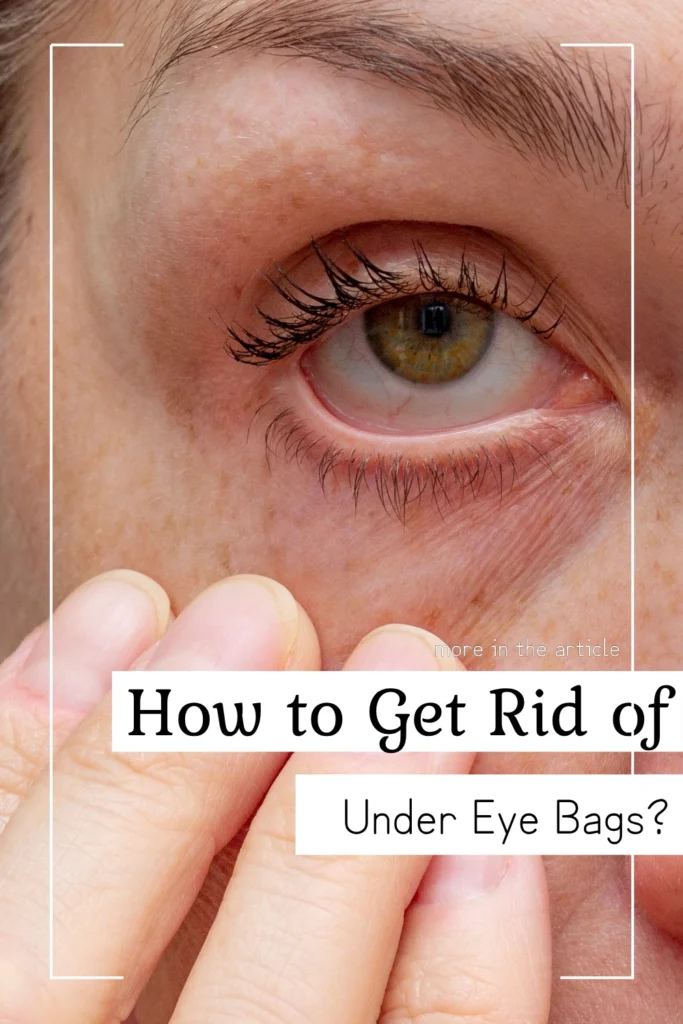
To begin, let’s analyze some of the mysteries and myths surrounding bags under the eyes.
What are bags under the eyes?
Bags under the eyes appear when weakened, sagging skin relaxes, forming a pouch. Fat deposits located under the eyes then slide down to fill the space.
Excess fluid in the body can also accumulate in this area, making the lower eyelids appear even more swollen. Shadows and blemishes on the skin under the eyes further accentuate the bags.
Unsightly bags under the eyes are primarily a cosmetic issue and are usually harmless. However, they can sometimes be a sign of an underlying medical condition.
Most bags under the eyes are more noticeable in the morning, when the fluid has had all night to settle in the area.
What causes bags under the eyes?
The most common cause of bags under the eyes is aging. As we age, we lose fat and collagen, the main component of the connective tissues in our skin, muscles, and other parts of our body.
Lower collagen levels cause the skin and muscles throughout the body to lose elasticity and tone. This sagging is especially noticeable around the eyes, because the skin in that area is very thin.
Other factors that contribute to the development of bags under the eyes include fluid retention, chronic medical conditions such as thyroid disease, infections, allergies, stress, eye strain, smoking, lack of sleep, and inherited facial features.
If the swelling becomes severe, painful, itchy, red, or persistent, consult an optician.
Remedies for bags under the eyes
Identifying the underlying cause of bags under the eyes is the first step in choosing a remedy.
For example, if under-eye bags are the result of aging or are a family trait, a cosmetic solution such as plastic surgery may be the best option to get rid of them.
You should know in advance that cosmetic eye surgery performed for the sole purpose of improving appearance will not be covered by medical insurance.
When under-eye bags are the result of underlying environmental or health issues, there are some simple home remedies and lifestyle changes that can help reduce them. These include:
- Get enough sleep (an average of 8 hours per day).
- Sleep with your head elevated a few centimeters to prevent fluid from accumulating around your eyes.
- Avoid drinking liquids before going to bed and avoid salt throughout the day.
- Use a cool, damp washcloth as a compress on your eyes, preferably while sitting upright. Alternatively, you can use cucumber slices or cool, damp tea bags to help reduce puffiness.
- Keep allergy symptoms under control by avoiding triggers and taking prescription or over-the-counter allergy medications.
- Use concealer makeup to cover dark shadows under the eyes.
A popular home remedy for reducing bags under the eyes is the use of hemorrhoid creams (yes, really).
Hemorrhoid creams contain phenylephrine, which constricts blood vessels and can temporarily tighten the skin under the eyes, making bags less noticeable. Be careful not to get the cream in your eyes, as it could cause irritation.
If you are a smoker, do everything you can to quit. Avoiding tobacco is not only good for your overall health and eyesight, but it also slows down collagen loss, which causes skin to thin. Furthermore, if you choose to have cosmetic surgery to remove under-eye bags, you will recover more quickly if you don’t smoke.
There are also treatments for wrinkles and skin therapies designed to tighten the skin under the eyes and reduce puffiness. These include chemical peels, laser resurfacing, and injectable dermal fillers.
Make sure your optician discusses the benefits, side effects, and risks associated with these treatment options.
Surgery for bags under the eyes
If you have tried some or all of the remedies mentioned above to eliminate bags under your eyes and are not satisfied with the results, you may want to consider a more permanent solution.
Cosmetic eyelid surgery, also known as blepharoplasty, can smooth and tighten the skin under the lower eyelids. Blepharoplasty can also be used to treat puffy or droopy eyelids.
Lower eyelid blepharoplasty for under-eye bags is usually performed as an outpatient procedure with local anesthesia plus sedation, although in some cases general anesthesia may be used.
Before surgery, the surgeon will mark the area under the eyes to indicate where the incisions will be made. The incisions are usually made inside the lower eyelid or under the eyelashes.
Once the incisions are made, the surgeon removes excess fat and skin before closing them with small, absorbable sutures. The desired result is smoother, softer skin.
Recovery after surgery for under-eye bags
It is important to follow your surgeon’s post-operative instructions to ensure your skin heals completely. Applying cold compresses regularly for approximately 48 hours will help reduce swelling and discomfort. Prescription eye drops and ointments should be used as directed by your surgeon to speed healing and prevent infection.
Expect some swelling, bruising, and dry eyes in the days immediately following surgery. If you go outside, protect your skin and eyes with dark sunglasses while they are healing. Avoid strenuous physical activity for at least one week after the procedure.
Most people notice that the swelling and bruising subside enough to feel comfortable returning to public life 10 to 14 days after the procedure. Always call your optician if you experience any unusual symptoms or pain that may indicate post-operative problems.
All surgeries, no matter how minor, carry risks. Potential risks associated with blepharoplasty include:
- Bleeding
- Bruises
- Pain
- Infection
- Numbness
- Skin spots
- Cysts along the incision lines
- Poor recovery, especially among smokers
- Drooping upper eyelid