A smile is an important part of our public image. That’s why, when our teeth aren’t as white as we’d like, we might be afraid to show them.
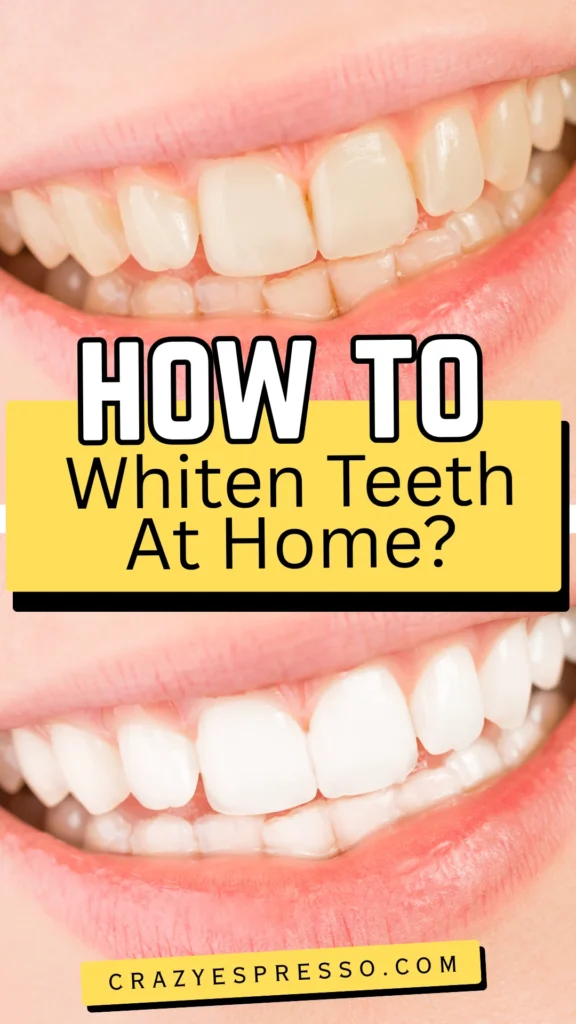
More and more people are turning to teeth whitening, as it allows them to regain their white tone and show off the smile they desire.
What determines the color of teeth
The color of a healthy tooth is white with yellowish or grayish tones and depends on two basic parts:
• Enamel, the outer surface covering the tooth. It is translucent, white or bluish in color.
• Dentin, an intermediate tissue that makes up the majority of the tooth. It is opaque and yellowish in color.
Since the enamel reveals the color of the dentin, it is the dentin that ultimately determines the tooth’s color. However, there are slight variations and gradations in color determined by several factors:
• The surface of the tooth: if it is smooth and regular, it shines more; on the contrary, if its surface is irregular, it appears darker and more translucent, since the reflection of light loses intensity.
• Enamel thickness: if it is very thin, it is more translucent and allows the dentin to show through, so the tooth will be more yellowish.
Conversely, the greater the thickness, the less translucent and the brighter it is.
• The composition of enamel: the tooth is made of organic matter, inorganic crystals, and water. The higher the proportion of crystals, the more translucent it is. Conversely, if organic matter predominates, the tooth is more opaque and white.
What causes the color change
Over the years, teeth lose their whiteness partially or completely, as use wears down the enamel, exposing more of the dentin. This is compounded by the aging of the dentin tissue, which gives it a more orange hue.
The result is that, over time, the teeth become darker or yellower.
But in addition to the time factor, there are other factors that also influence color changes. They are of two types:
Inside the tooth: These usually occur while the tooth is forming. The most common causes are:
• Liver, metabolic, or hemolytic disorders…
• Taking certain substances, such as tetracyclines (antibiotics).
• Vitamin deficiencies.
They can also occur after the formation of teeth, in which case their causes are usually endodontic, cavities, or trauma.
On the exterior of the tooth: These occur when pigmented substances or chromogens are deposited, causing stains on the enamel. The most common causes are:
• Ingestion of certain foods and/or beverages: coffee, tea, red wine, cola drinks, beets, saffron…
• Tobacco (cigarettes, cigars, or pipes), which deposits nicotine and tar on the enamel surface and yellows the teeth.
• Poor oral hygiene habits.
How to reverse the color change
The treatment to follow will depend on the underlying causes.
In the first case, when the color change occurs due to internal factors of the tooth, it is very difficult to remove the stains, and its treatment requires going to a dental clinic.
In the second case, when changes occur due to external factors, they can be reversed in three ways:
1. At-home whitening: whitening toothpastes
Whitening toothpastes and mouthwashes are a good option for improving the appearance of the mouth, as they may contain some brightening ingredients that some products do not have and, in general, are designed to have a progressive effect.
Whitening toothpastes contain mildly abrasive elements to remove enamel stains and have passed rigorous quality controls.
While their results aren’t as effective as in-office dental treatment, they do help restore the natural whiteness of teeth. They also help maintain the results of in-office whitening.
There are whitening products that are not recommended, called abrasives, which give a whiter appearance but at the cost of wearing down the surface of the teeth, which is lost and does not regenerate.
2. Outpatient whitening: professional prescription, application at home
It consists of using whitening products that have been prescribed at the clinic and that can be applied at home.
These products typically contain the same ingredient used for clinical treatment, hydrogen peroxide, although in a lower concentration. Additionally, two splints are designed, one for the upper jaw and one for the lower jaw.
All of this is done under the supervision and monitoring of the dentist.
3. In-office teeth whitening: dental treatment by a dentist
Teeth whitening treatments can cause tooth sensitivity and gum irritation, so they should be done in a dental clinic with qualified staff.
This procedure has excellent results and is quite quick: it takes just over an hour. It usually involves the application of highly concentrated hydrogen peroxide or carbamide peroxide, which is then converted into hydrogen peroxide.
To achieve the whitening effect, different techniques are used that apply light and/or heat, either through an LED light, a laser, a plasma lamp, or other means.
It may be expensive, but its high immediate effectiveness compared to other alternatives compensates for the costs, which is why many people choose this option.
Before starting treatment, any cavities or gum disease must be treated, as well as addressing tooth sensitivity to hot or cold foods and drinks.
Dental treatment is not recommended if you wear dentures, dental crowns or veneers, in which case it is more advisable to replace them with whiter ones.
Home remedies not recommended
On the other hand, there are also some widely used methods that can remove stains from the surface of teeth, but these involve risks and can have unwanted effects.
• Brushing your teeth with baking soda, an abrasive that helps get rid of stains on the enamel, but which is a slow remedy with the risk of eroding the enamel, causing it to lose its shine.
• Hydrogen peroxide, also known as oxygenated water , is a home remedy that, when used excessively, can cause tooth sensitivity and gum irritation.
• Brushing with salt and lemon juice , a mixture that acts as a whitening agent, but whose excessive use can erode the enamel.
• Using aluminum foil to wrap teeth with toothpaste mixed with salt and/or baking soda is a technique of unproven effectiveness and, like other home remedies, carries side effects.